The Silence of the Reeds
Imagine waking up in the heart of the Delta. The sun is just starting to hit the water, and there is a thick mist over the lagoons. You have two choices for your morning exploration: a powered motorboat or a traditional mokoro safari Okavango Delta style.
For a busy professional, this choice is about more than just transport. It is about the type of “reset” you need. Do you want to cover ground and find elephants crossing the river, or do you want to disappear into the silence of the reeds? Understanding the difference is how you ensure your time in Botswana feels exactly right.
The Mokoro: A Traditional Connection
The mokoro is a traditional dugout canoe Botswana has used for centuries. Today, they are made from eco-friendly fiberglass, but the experience remains the same. You sit low in the water while a professional poler stands at the back, guiding you through the narrow channels.
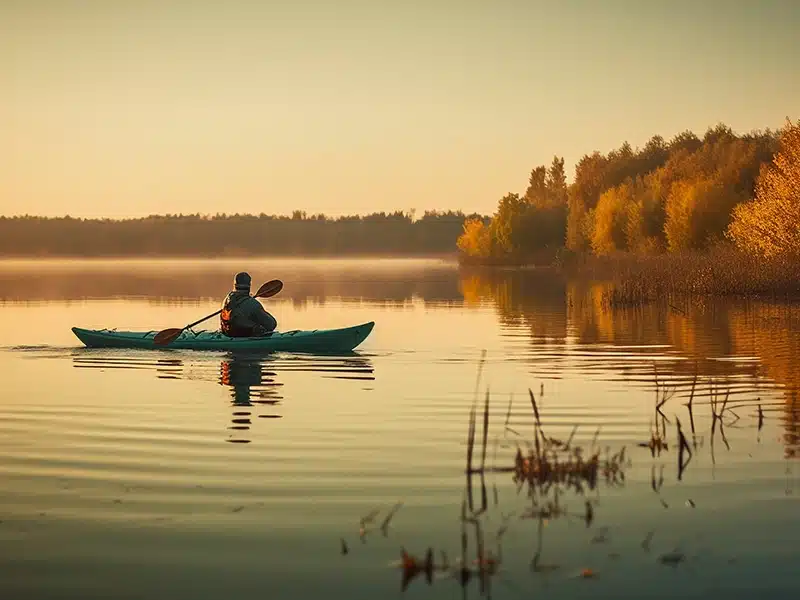
There is no engine. The only sounds are the dip of the pole in the water, the chirp of reed frogs, and the wind in the papyrus. Being at eye level with the water gives you a completely different perspective. You notice the tiny Malachite Kingfishers and the intricate patterns of the water lilies. It is a slow, meditative pace that forces your mind to settle. If you want to feel the true “soul” of the Delta, this is it.
The Motorboat: Distance and Drama
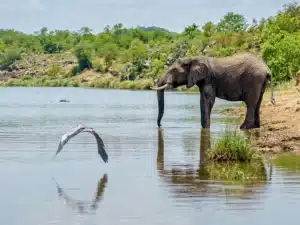
If the mokoro is about the small details, the motorboat is about the big picture. Because it is powered, a motorboat can cover long distances. This makes it the best tool for finding “big” wildlife like pods of hippos, crocodiles, and elephants bathing in the deeper channels.
A motorboat allows you to reach remote lagoons that are too far for a morning mokoro trip. It is high-energy and exciting. However, it does come with the sound of an engine, which changes the atmosphere. Choosing between a mokoro vs motorboat Delta experience often depends on whether you want a quiet morning of reflection or a thrilling afternoon of wildlife spotting.
Navigating the Okavango Delta Water Levels
The biggest factor in your decision is the season. The Okavango Delta water levels change throughout the year. The floodwaters arrive from Angola between May and August, turning dry plains into a massive inland sea.
The best time for mokoro safari trips is during these high-water months. Some camps are “water-only” and focus entirely on boat activities, while others are “land-based” and only offer water trips when the floods are high enough. This is the kind of detail that can make or break a trip. You don’t want to book a water-focused camp in the middle of a dry year.
Picking the Right Camp for Your Reset
We spend our time tracking these water patterns so you don’t have to. We know which camps have deep-water access year-round and which ones offer the most authentic mokoro experiences with the best local polers.
We match the lodge to your personality. If you need total silence, we find you a remote “water camp.” If you want a mix of game drives and boating, we look for a “combination camp.” We handle the logistics of the bush flights between these areas, ensuring your transition from the savannah to the water is seamless.
Ready to glide through the channels of the Okavango? [Schedule your 1-on-1 planning call here] and we will find the perfect Delta camp for you.