Botswana is widely regarded as the most exclusive safari destination in Africa due to its “high-value, low-volume” tourism model. By limiting guest numbers and permanent structures, the country preserves a pristine, untouched quality across its diverse ecosystems. Our itineraries focus on private concessions within the Okavango Delta and the Linyanti, ensuring your wildlife encounters occur in total seclusion.
We prioritize ecological integrity. Botswana’s commitment to conservation has created a sanctuary for the continent’s largest elephant population and some of its most successful predator-prey dynamics. Traveling here offers a profound sense of isolation and a deep connection to the natural world.
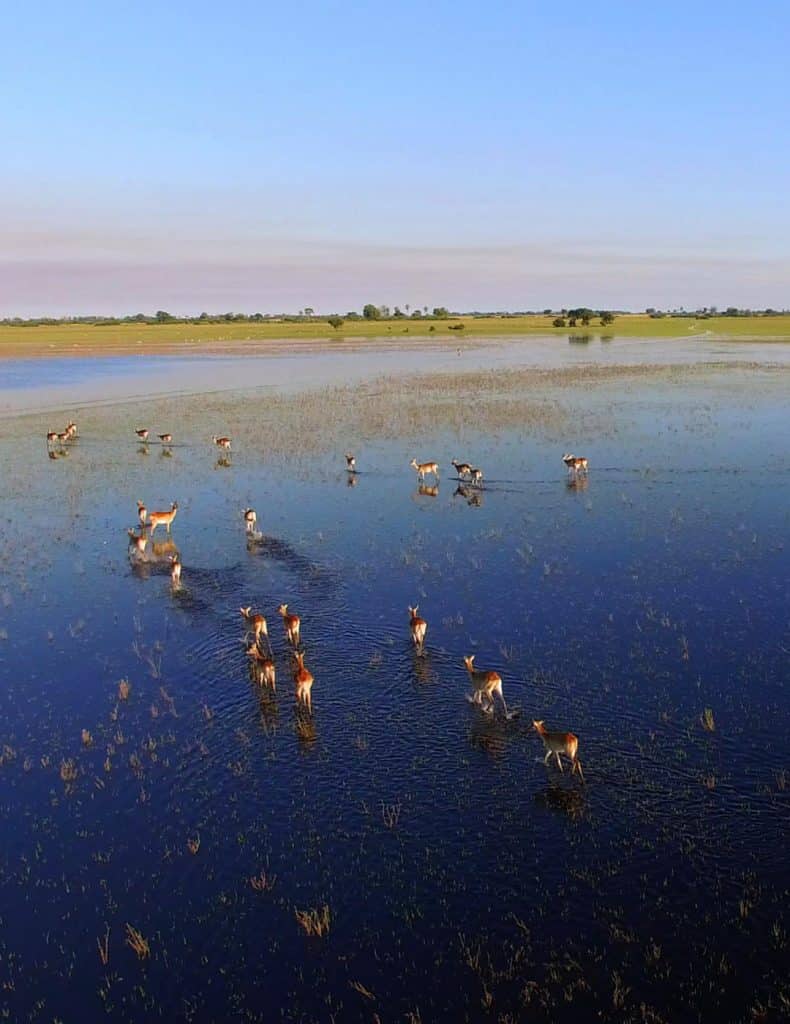
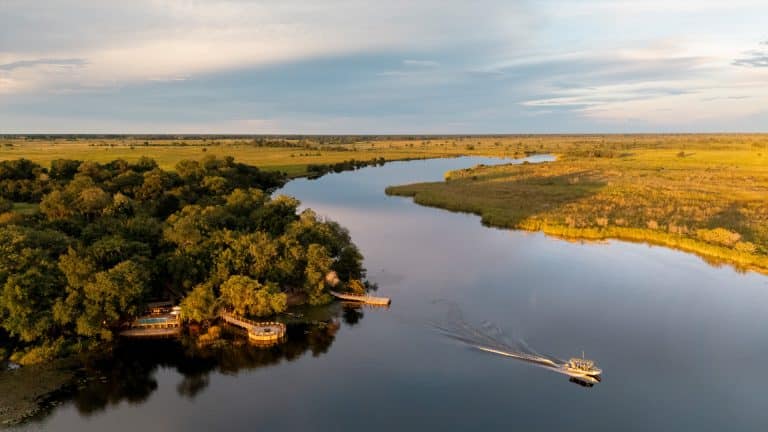
Explore the world’s largest inland delta, a UNESCO World Heritage site where seasonal floodwaters from the Angolan highlands transform the Kalahari sands into a lush labyrinth of lagoons and channels.
Witness the highest concentration of African elephants on earth. During the dry season, massive herds congregate along the Chobe River front, providing spectacular opportunities for both land and boat-based viewing.
Experience the stark, ethereal beauty of the desert. These regions offer unique encounters with desert-adapted species like brown hyena, meerkats, and the legendary black-maned lions of the Central Kalahari.
These private concessions are world-renowned for their high density of lions, leopards, and African wild dogs. The region’s varied terrain provides a dramatic stage for intense hunting activity.
June–August (Peak Delta Floods):
The optimal time for water-based safaris. Although this is the dry season, the floodwaters reach the lower Delta, creating deep channels for mokoro excursions and attracting massive wildlife concentration.
September–October (Dry Season Concentration):
Temperatures rise, and water sources dwindle, forcing wildlife into high-density clusters around permanent rivers and waterholes. This is the best window for intense predator activity and clear sightings.
December–March (The Green Season):
The Kalahari comes alive as rains trigger the zebra migration and calving season. This period offers exceptional birding, vibrant emerald terrain, and the best value for travelers seeking a quieter experience.
Glide silently through the lily-covered channels of the Okavango in a traditional dugout canoe. This low-impact experience allows you to observe the delta’s micro-ecosystems, from rare reed frogs to thirsting elephants, at eye level.
Observe wildlife from a unique aquatic perspective. These boat safaris allow for incredibly close proximity to elephants swimming and hippos wallowing, offering a stable platform for professional-grade photography.
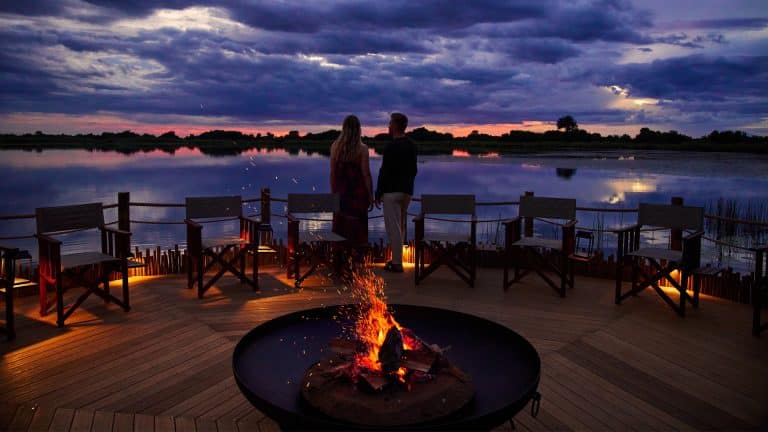
Spend a night under the expansive African sky on the Makgadikgadi Pans. With zero light pollution, the celestial clarity is unmatched, providing a profound sense of the universe’s scale.
Utilize private helicopter flights to transition between camps. This is not only the most efficient way to travel but also provides a vital aerial perspective of the Delta’s intricate waterway patterns and migrating herds.
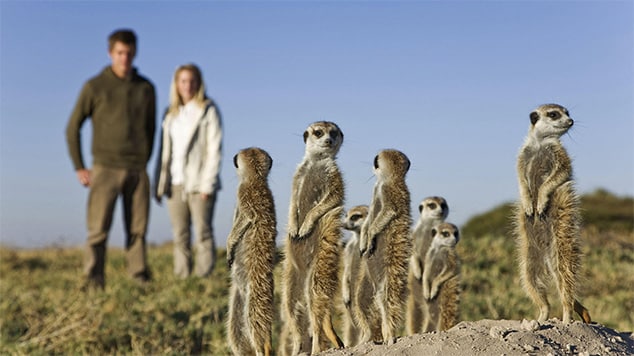
Spend time in the Makgadikgadi with habituated meerkat colonies. These wild but trusting creatures may use you as a lookout post, offering a charming and intimate interaction with desert life.