Tanzania represents the ultimate safari archetype, home to the highest concentration of wildlife per square kilometer on the planet. From the endless plains of the Serengeti to the prehistoric depths of the Ngorongoro Crater, the country offers a scale of nature that is difficult to replicate. Our bespoke itineraries focus on maximizing your exposure to the Great Migration while ensuring your accommodation provides a sanctuary of luxury away from the primary tourist transit routes.
We emphasize geographical diversity. Tanzania allows for a rare combination of high-altitude trekking on Mount Kilimanjaro, world-class big cat tracking on the savanna, and a sophisticated retreat to the white-sand beaches of Zanzibar. This multi-layered environment ensures that every journey can be tailored to balance intense exploration with refined relaxation.
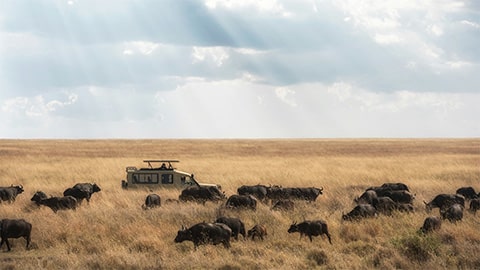
Experience the world’s most significant overland migration. Over 1.5 million wildebeest and hundreds of thousands of zebras move across this vast ecosystem in a continuous search for fresh grazing, trailed closely by Africa’s most dense predator populations.
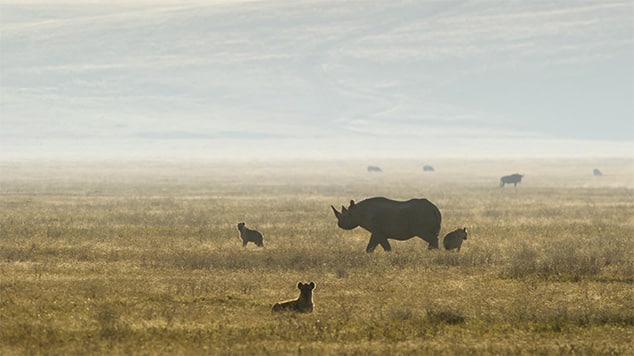
Descend into the world’s largest inactive, intact, and unfilled volcanic caldera. This UNESCO World Heritage site acts as a self-contained ecosystem, providing a permanent home to the Big Five, including the highly endangered black rhinoceros, in a concentrated 260-square-kilometer arena.
Navigate a terrain dominated by ancient, massive baobab trees and enormous elephant herds. During the dry season, the Tarangire River becomes the only permanent water source for miles, attracting thousands of migratory animals to its banks.
Explore the more remote, rugged regions of southern Tanzania. These areas offer a wilder, more exclusive safari experience where you can track large lion prides and rare African wild dogs without encountering another vehicle for hours.
July–October (The River Crossings):
The optimal window for witnessing the dramatic Mara River crossings in the Northern Serengeti. The weather is dry and clear, making it the premier season for general wildlife viewing across all northern and southern circuits.
January–February (The Calving Season):
A high-value period in the Southern Serengeti and Ndutu regions. Hundreds of thousands of wildebeest calves are born within a three-week window, triggering intense predator activity and offering spectacular photographic opportunities on the short-grass plains.
June (The Green Transition):
Experience the Serengeti as the rains subside and the plains turn vibrant emerald. This month offers exceptional clarity for photography and allows you to observe the migration as it begins its move toward the central and western corridors before the peak-season crowds arrive.
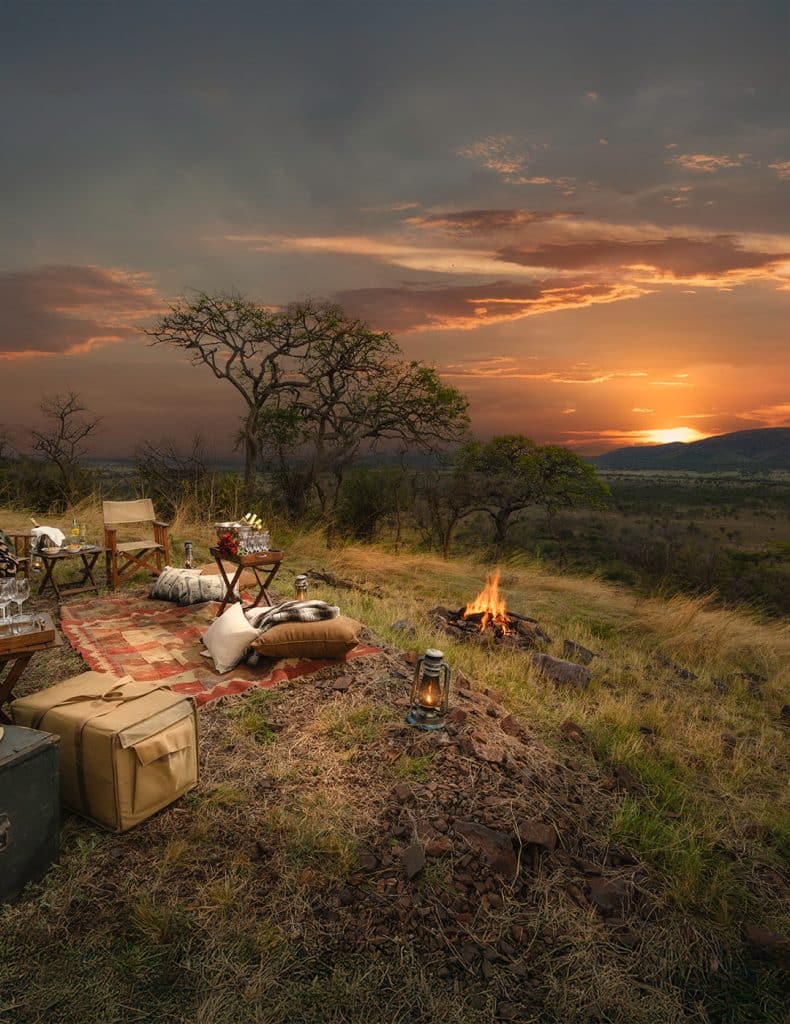
Ascend at dawn to witness the sunrise over the endless plains. This vertical perspective is the only way to truly appreciate the sheer scale of the Great Migration, followed by a luxury champagne breakfast served under a lone acacia tree.
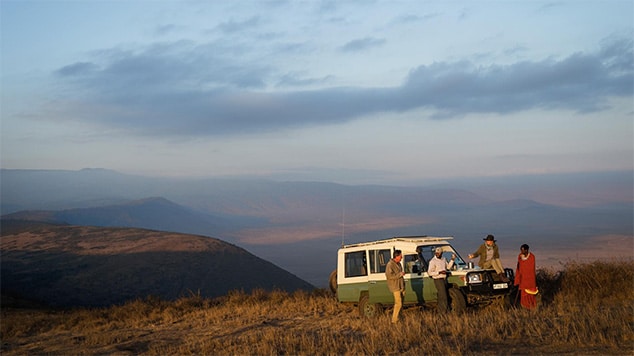
Utilize our elite guides to navigate the crater floor. We arrange early-access entries to ensure you are among the first to reach the wildlife-rich central areas, maximizing your chances of observing black rhino and large lion prides in the soft morning light.
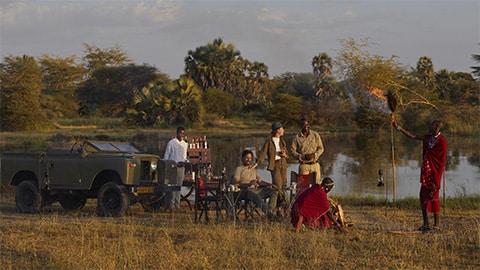
Engage in respectful, meaningful interactions with Maasai communities. We facilitate private visits to bomas where you can learn about traditional social structures, cattle herding, and the ancient relationship between the Maasai and the Tanzanian savanna.
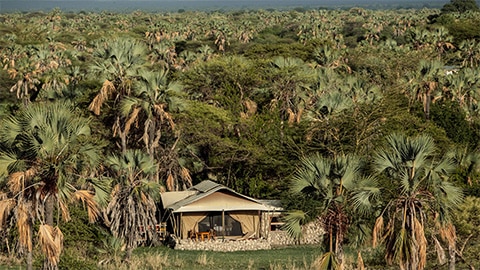
Stay in luxury mobile camps that move seasonally with the herds. This ensures you are always positioned at the heart of the action, whether the migration is in the southern calving grounds or the northern river crossing points.
Transition from the bush to the beach for a private cruise on a traditional wooden dhow. We arrange sunset excursions through the turquoise waters of the Menai Bay, complete with fresh seafood and local spices from the island’s historic plantations.