Safari Photography Equipment Guide: Camera Gear Recommendations by Budget and Experience Level
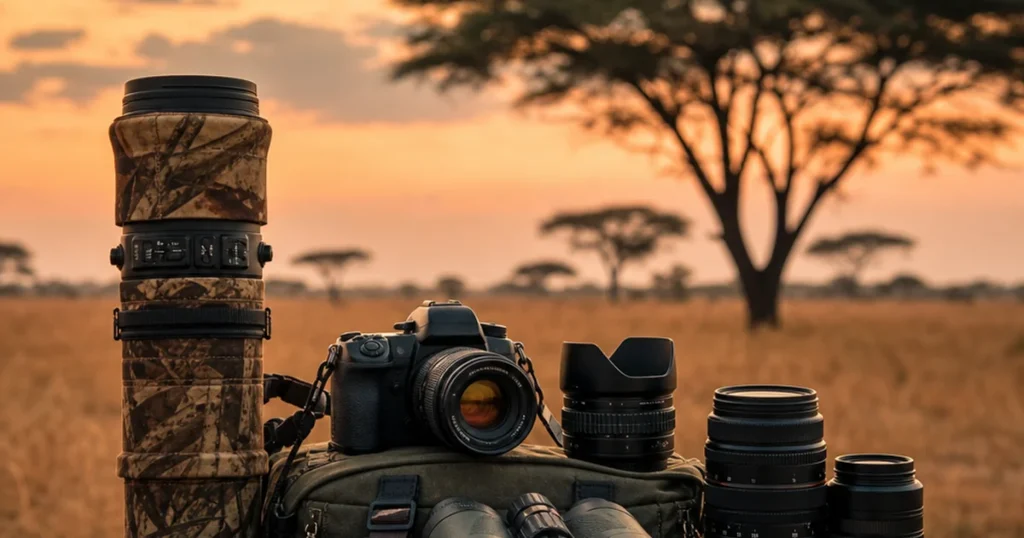
Choosing safari camera gear doesn’t have to mean drowning in technical jargon or overspending on equipment you’ll never use in the field. This guide matches real cameras and lenses to real safari scenarios, budgets, and experience levels, so you can capture the Serengeti, the Okavango Delta, or a Kenyan family safari with confidence.
What Vaccinations Do You Need for an African Safari: Country-Specific Health Requirements
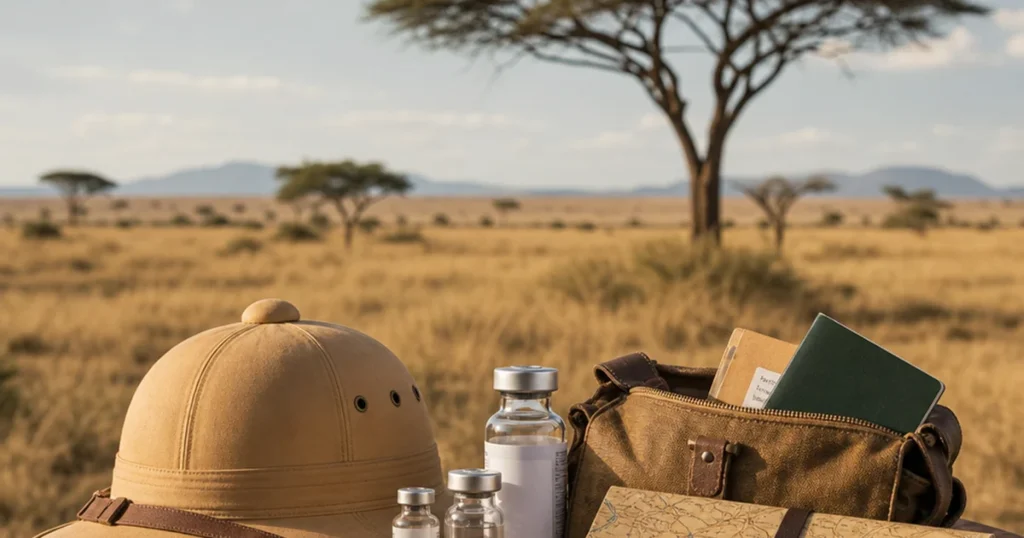
Planning a safari means separating border-entry rules from doctor-recommended precautions, and the requirements shift depending on whether you’re headed to Kenya, Tanzania, Uganda, Rwanda, or South Africa. This guide breaks down exactly what each destination demands and what health experts advise, so you can prepare with confidence instead of confusion.
Flying Safaris vs Overland Safaris: Transportation Method Comparison and Cost Analysis
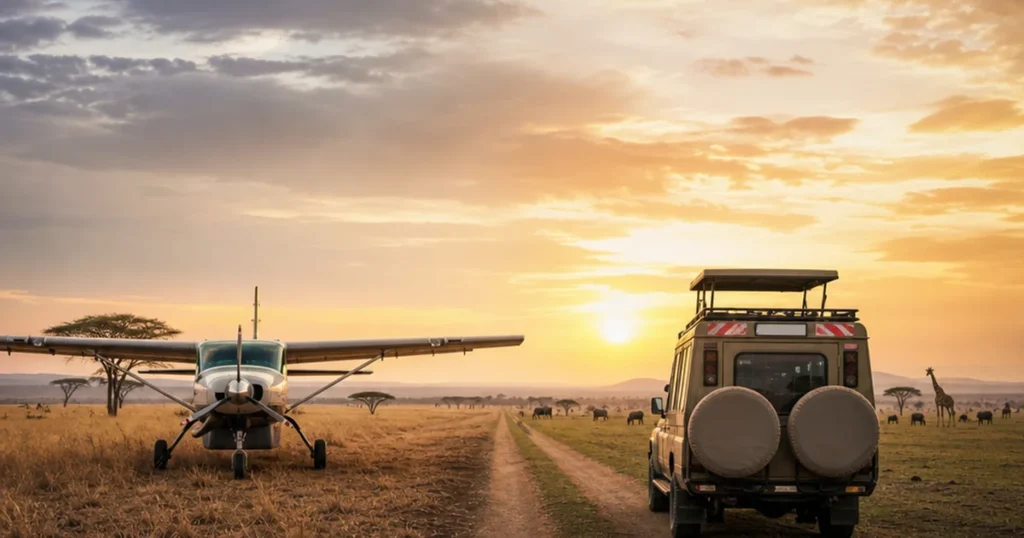
There’s a moment on every safari that transcends the wildlife—it’s the instant you realize you’re truly moving through Africa. Whether you’re soaring over the Serengeti in a light aircraft or traversing dirt tracks in a 4×4, the journey shapes your entire experience. Flying safaris offer quick access to remote wildlife-rich areas, while overland safaris immerse you in the vibrant landscapes and cultures along the way. Each method has its unique charm, and the right choice depends on your travel style, group size, and the adventure you’re seeking. Discover which safari experience resonates with your dream of exploring Africa!
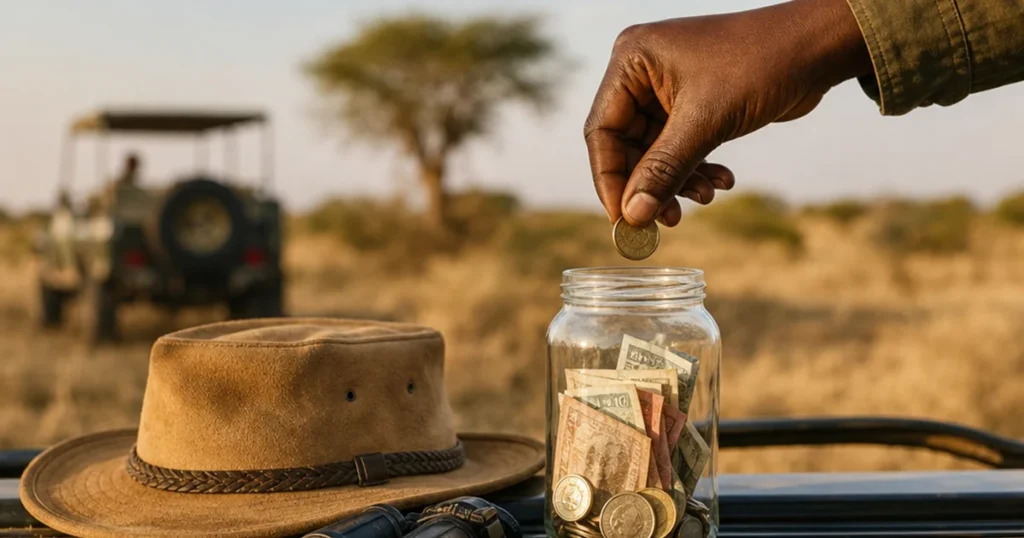
Tipping on Safari: Complete Guide to Gratuity Amounts for Guides, Trackers, and Lodge Staff
Wondering how much to tip your safari guide or the camp staff who make your stay unforgettable? This guide breaks down exactly what to give, when, and to whom — so you can stay focused on the lions, not the etiquette.
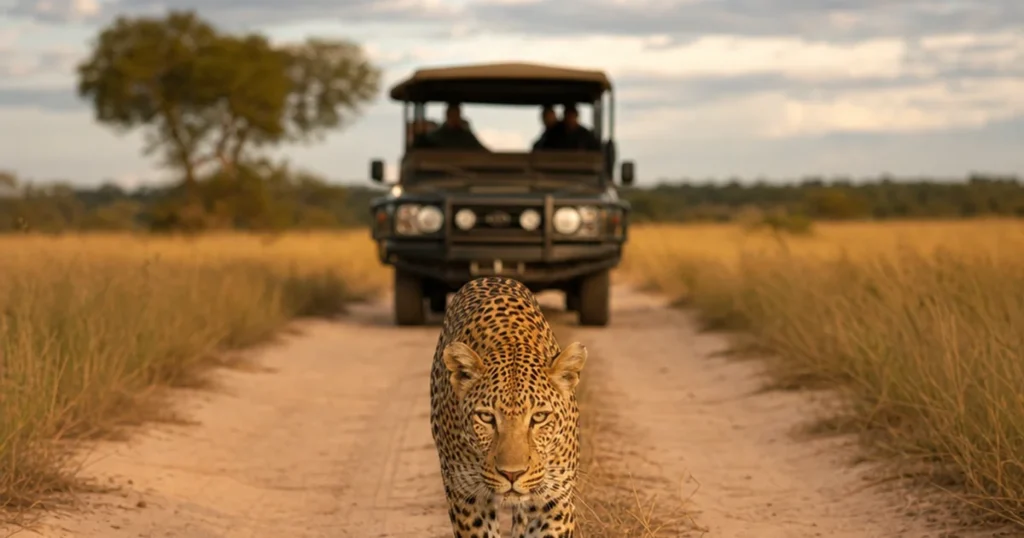
How Safari Conservancies and Private Concessions Work: Access, Wildlife, and Pricing Explained
Not all safari land is created equal, and the difference between a national park, a private conservancy, and a concession can completely transform your trip. This guide breaks down how each model works, who controls access, and why it matters for the wildlife encounters and experiences you’ll actually have.
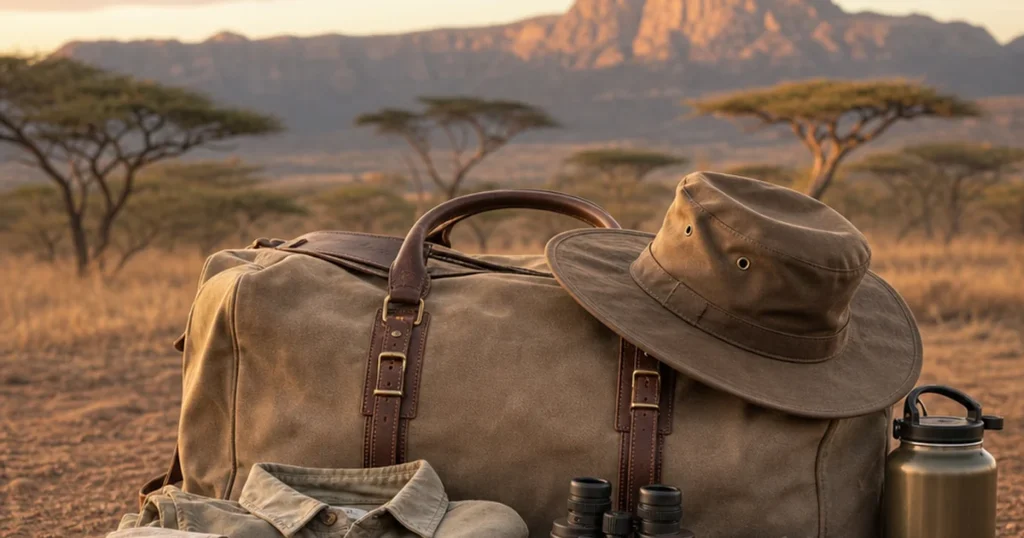
What to Pack for an African Safari: Complete Checklist by Season and Destination
Packing for an African safari is never one-size-fits-all — the right gear depends on where you’re going, when you’re traveling, and what you’ll be doing once you arrive. This complete guide breaks it all down so you show up prepared for every moment, from misty morning game drives to golden-hour sundowners.
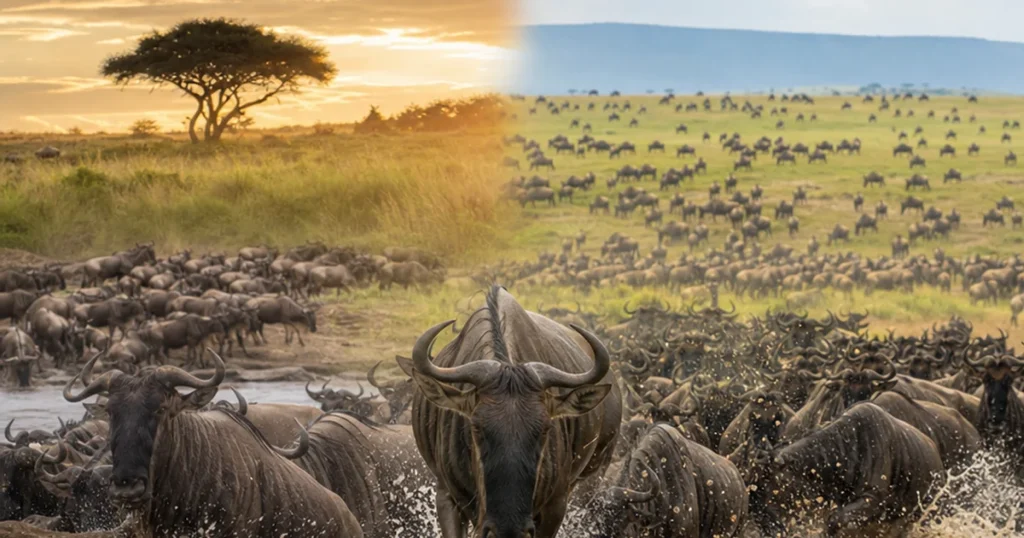
How to Choose Between Serengeti and Maasai Mara for the Great Migration
The Great Migration unfolds across two iconic parks, but the right one for you depends on when you travel and what moves your soul. This guide cuts through the noise to help you make that deeply personal choice with confidence.
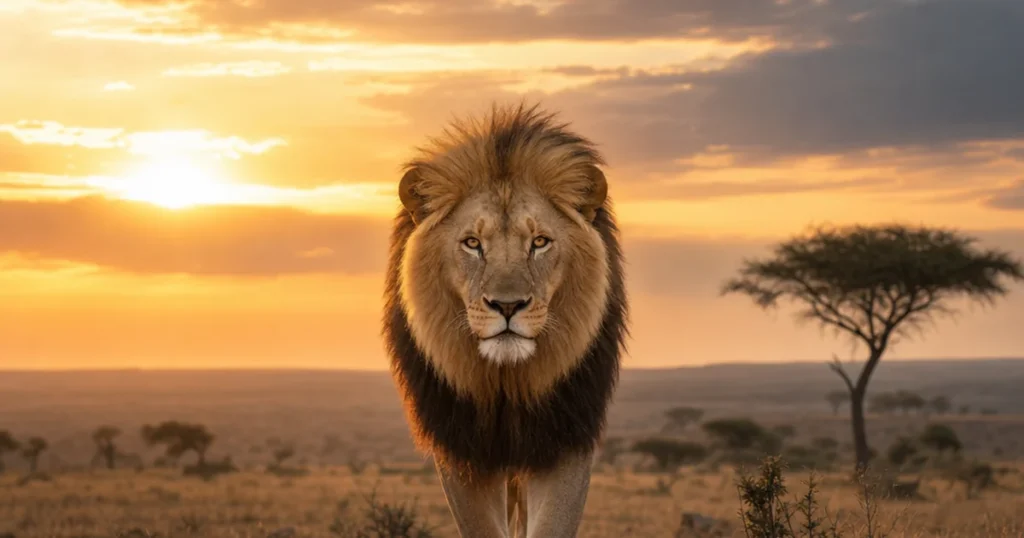
Best Time to Visit Each African Safari Country: Month-by-Month Wildlife and Weather Guide
Every month of the year, somewhere in Africa, a safari experience is reaching its absolute peak. This guide helps you find exactly where to go and why, no matter when you can travel.
Safari Planning FAQ: 45 Questions Answered About Costs, Timing, Visas, Packing, and Safety
Planning an African safari can feel overwhelming, but the right answers make all the difference between uncertainty and pure excitement. This guide covers 45 of the most common safari questions so you can stop guessing and start dreaming.
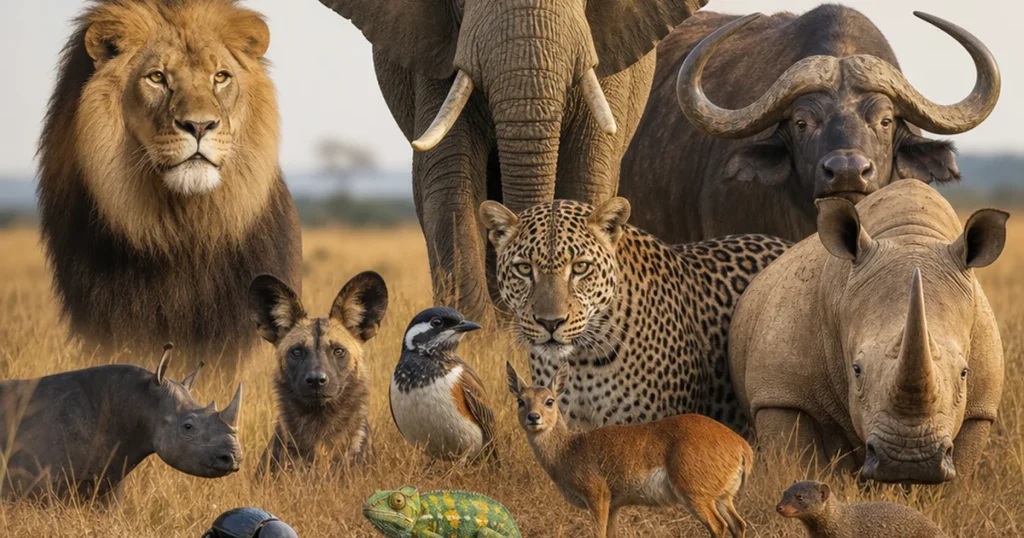
African Safari Wildlife Glossary: Big 5, Special 5, Little 5, and 50+ Essential Terms Defined
Every seasoned safari-goer knows that understanding the language of the bush transforms a game drive into something far richer and more alive. From the legendary Big 5 to the overlooked Little 5, this glossary unpacks the stories, origins, and wild magic behind the words that define an African safari.
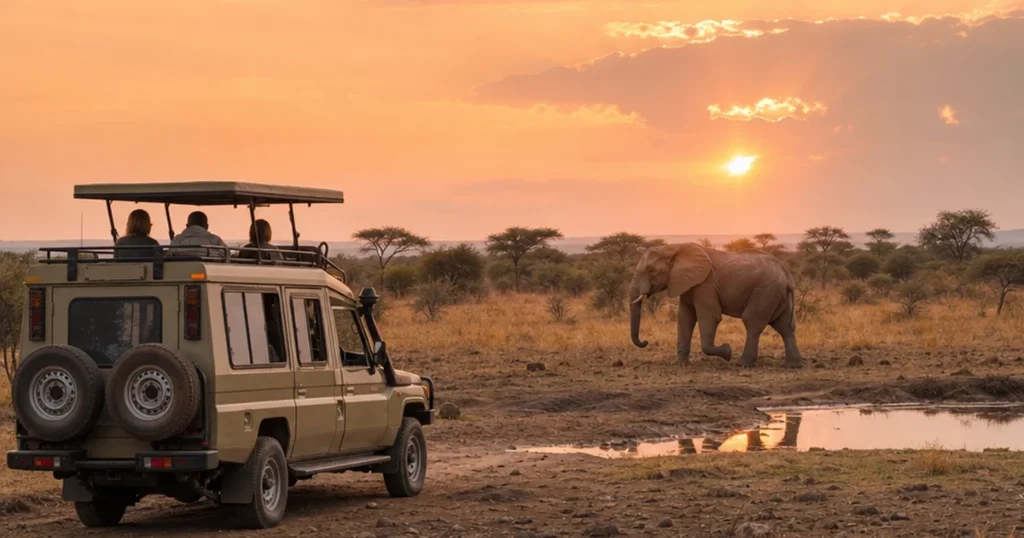
How Much Does an African Safari Really Cost: Complete Price Breakdown by Country and Experience Level
Planning an African safari but unsure what it will actually cost? This guide breaks down real prices by country, experience level, and season so you can book with confidence.
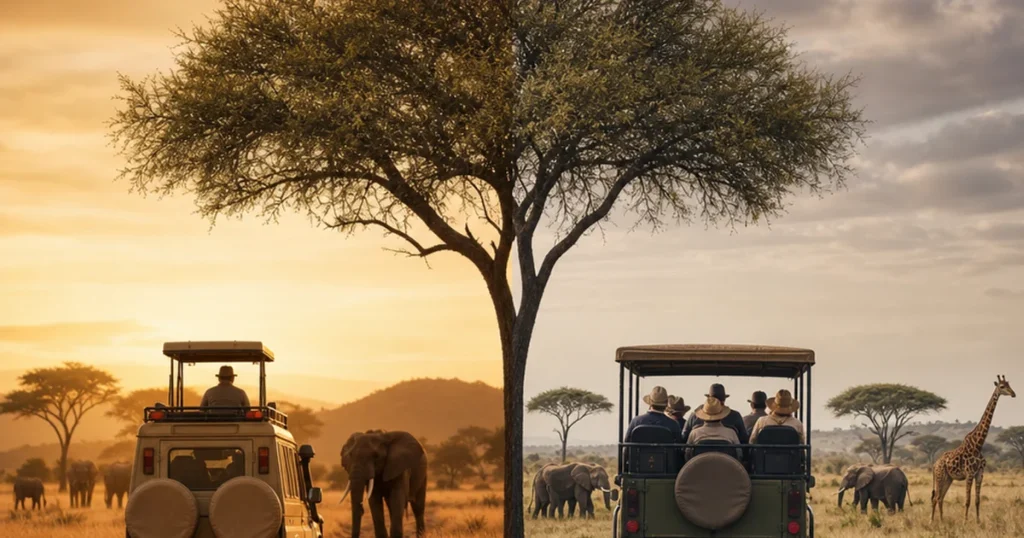
Private vs Group Safari: Which Option Offers Better Value and Experience?
Choosing between a private and group safari shapes every moment of your African adventure, from wildlife sightings to the pace of your days. This guide breaks down the real differences so you can book with confidence.
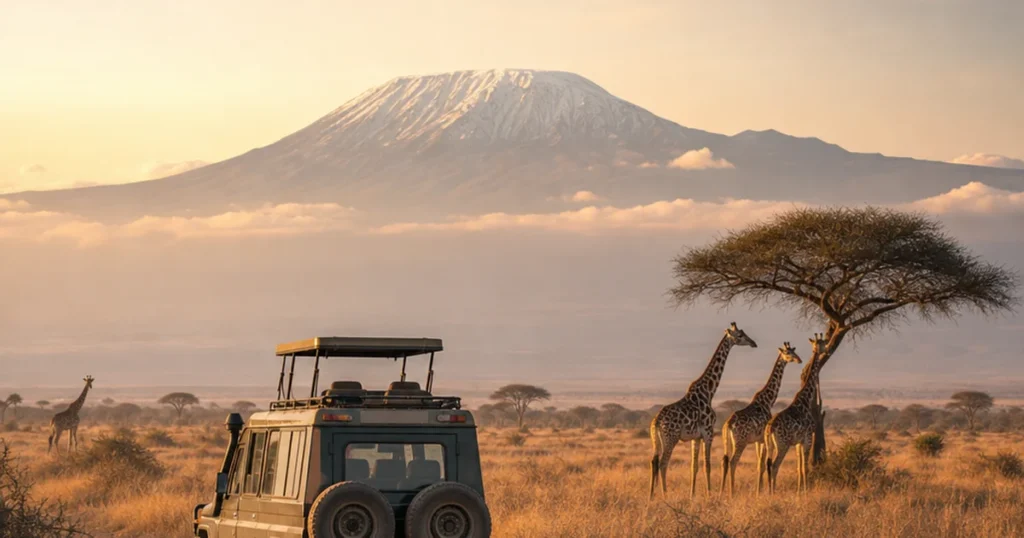
How Long Should Your African Safari Be? Ideal Trip Duration by Destination
Choosing the right safari length can make or break your entire African adventure, yet most travelers have no idea where to start. This guide cuts through the confusion by matching trip duration to your destination, wildlife priorities, and travel style.
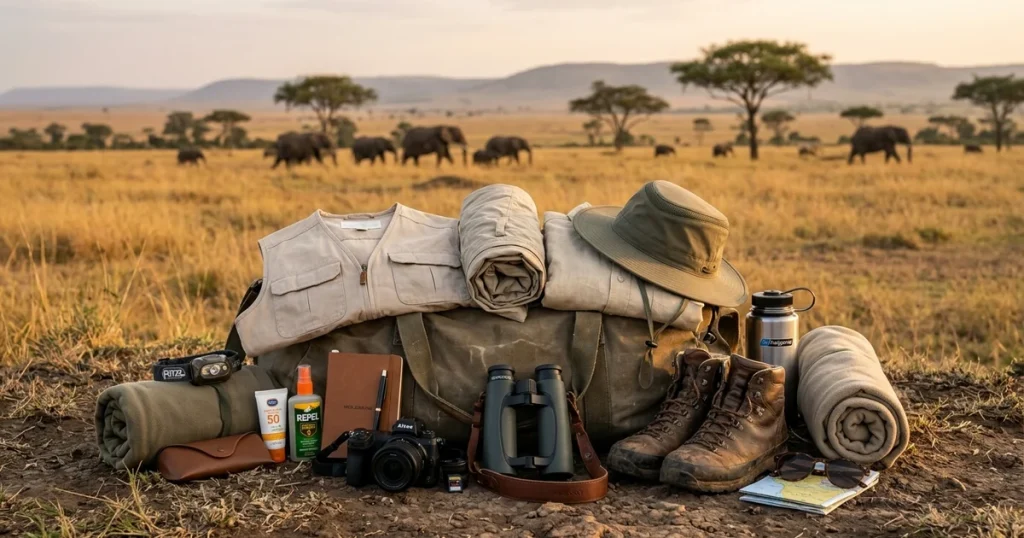
What to Pack for an African Safari: The Complete Clothing and Gear Checklist
Packing for an African safari requires thoughtful planning to ensure comfort and respect for the environment. This comprehensive guide covers everything from essential clothing to sustainable gear choices for an unforgettable safari experience.
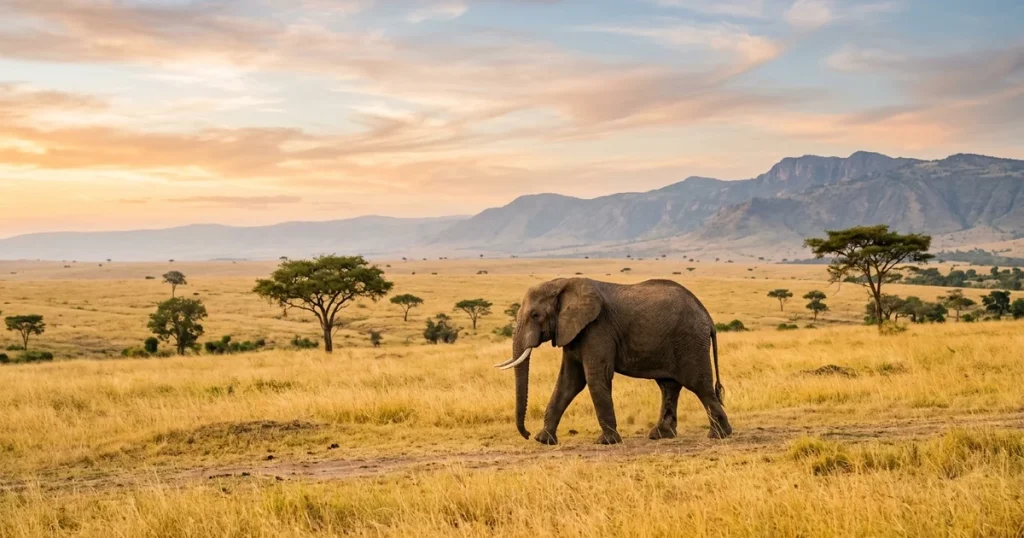
Tanzania vs Kenya Safari: Which Country Should You Choose for Your First Safari?
Choosing between Tanzania and Kenya for your first safari can feel overwhelming with both countries offering incredible wildlife experiences. This comprehensive comparison breaks down the key differences in costs, animals, landscapes, and logistics to help you make the right choice.
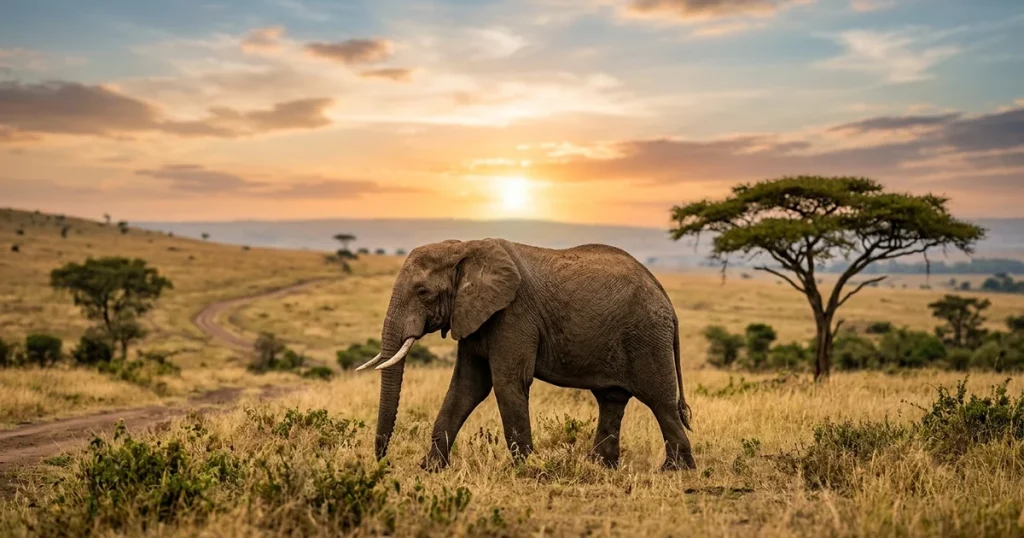
How Much Does an African Safari Actually Cost? A Complete Budget Breakdown
Planning an African safari requires understanding the full spectrum of costs involved, from luxury lodges to budget camping options. This comprehensive guide breaks down every expense so you can plan your dream safari with confidence.
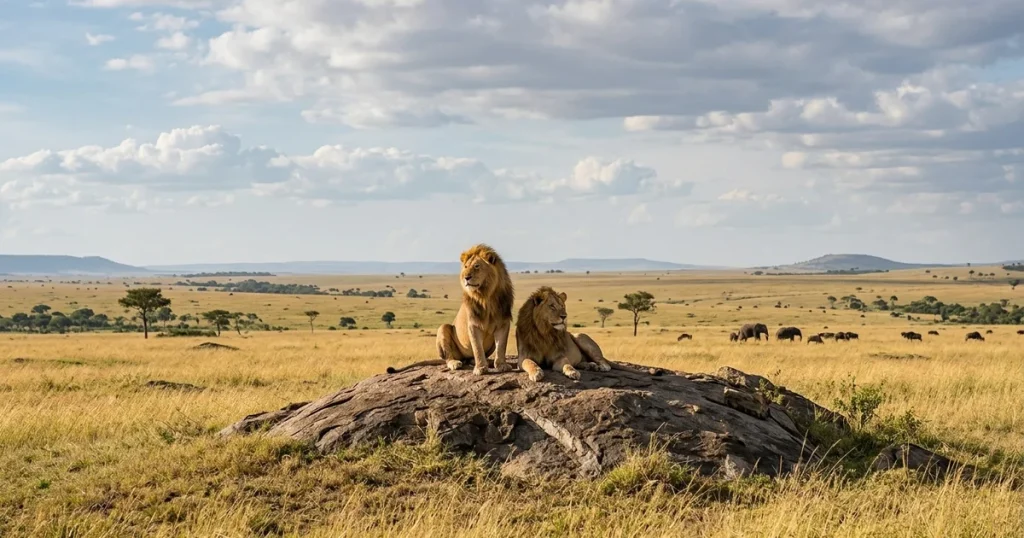
How to Choose Between Tanzania and Kenya for Your First African Safari
Planning your first African safari but unsure whether to choose Tanzania or Kenya? We break down the wildlife experiences, costs, and unique advantages of each destination to help you make the perfect choice for your dream adventure.
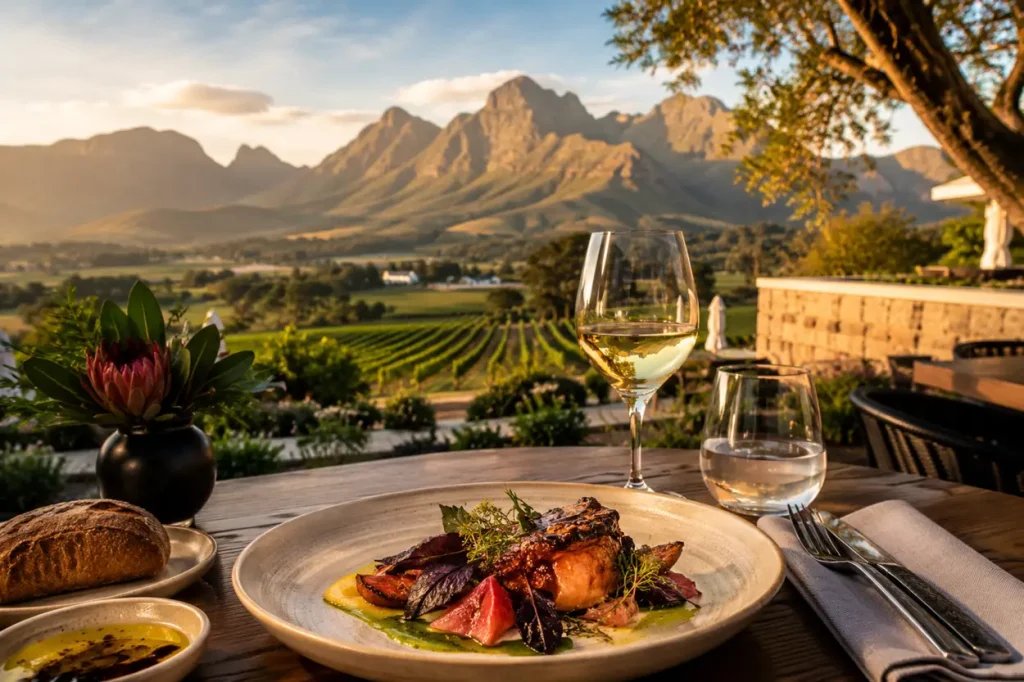
Food & Wine: The Tasting Menu Safari
TL;DR – South Africa is one of the world’s great foodie destinations, and most travelers don’t know it yet. From Cape Town’s award-winning restaurants to long lunches in the Winelands, this is where you eat 12 courses for the price of a burger in New York – and the wine list will make your sommelier jealous.
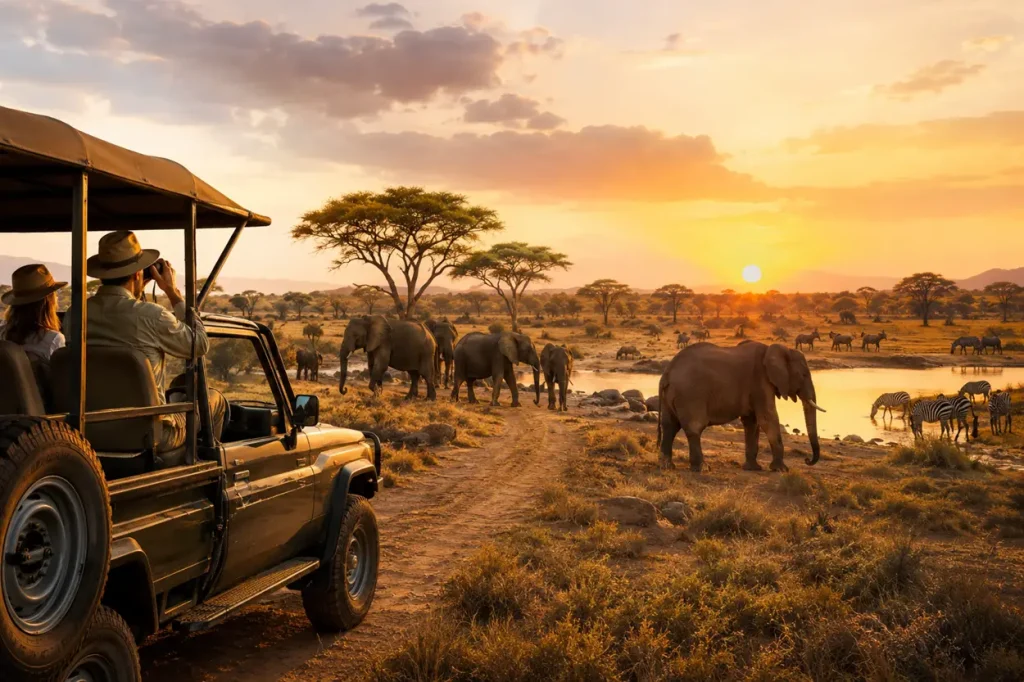
Damaraland: Tracking Desert Elephants
TL;DR – Damaraland’s desert adapted elephants in Namibia are not the same animal as the elephants you’ve seen in the Okavango or the Serengeti. They’re leaner, longer-legged, and capable of surviving in conditions that would kill a normal elephant. Tracking them through dry riverbeds in one of Africa’s most dramatic landscapes is one of the most unusual safari experiences on the continent.
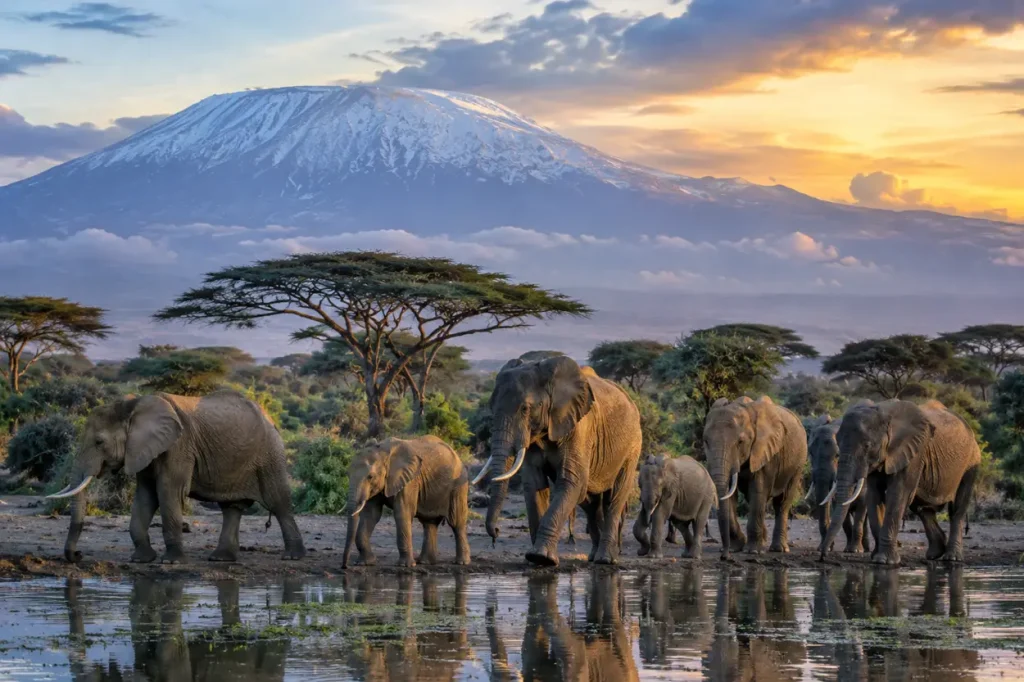
Amboseli’s Giants: The Kilimanjaro Shot
TL;DR – Amboseli National Park in southern Kenya is home to Africa’s most iconic wildlife photograph: a herd of big-tusked elephants crossing a dry lake bed with Kilimanjaro rising behind them. The image is real, the elephants are real, and with the right camp and the right morning, you’ll see exactly why this shot has defined an entire continent’s visual identity.
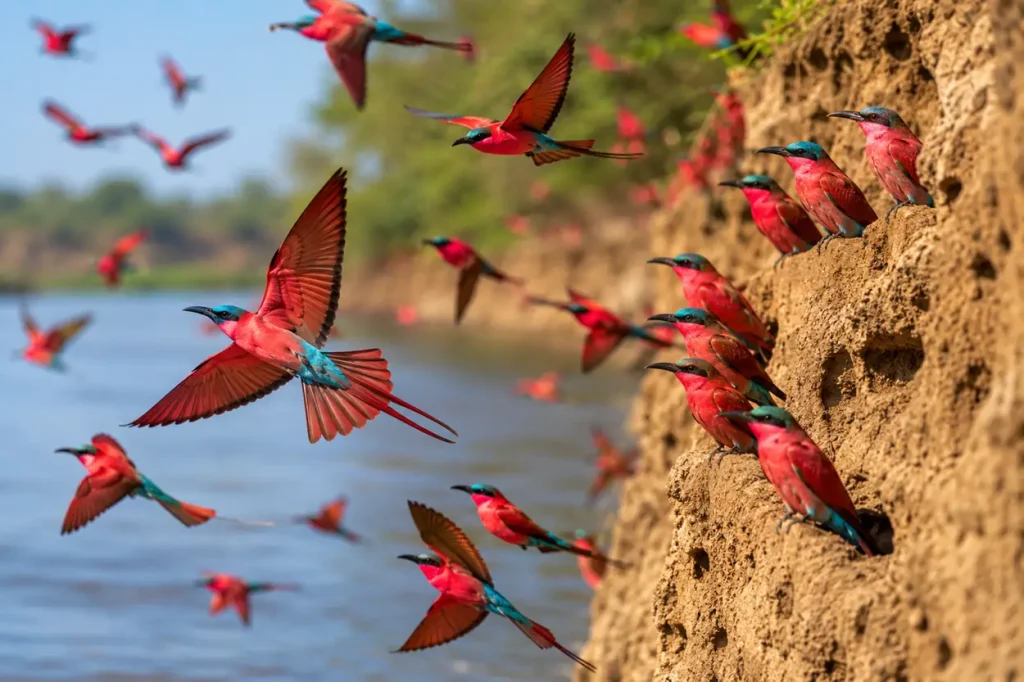
Birding for Non-Birders: Carmine Bee-eaters
TL;DR – Every year between September and November, southern carmine bee-eaters arrive in the Okavango and the Chobe in flocks of thousands. They are crimson and turquoise and they follow elephants and game drive vehicles through the bush to catch the insects the large animals disturb. You do not need to be a birder to find this completely extraordinary.
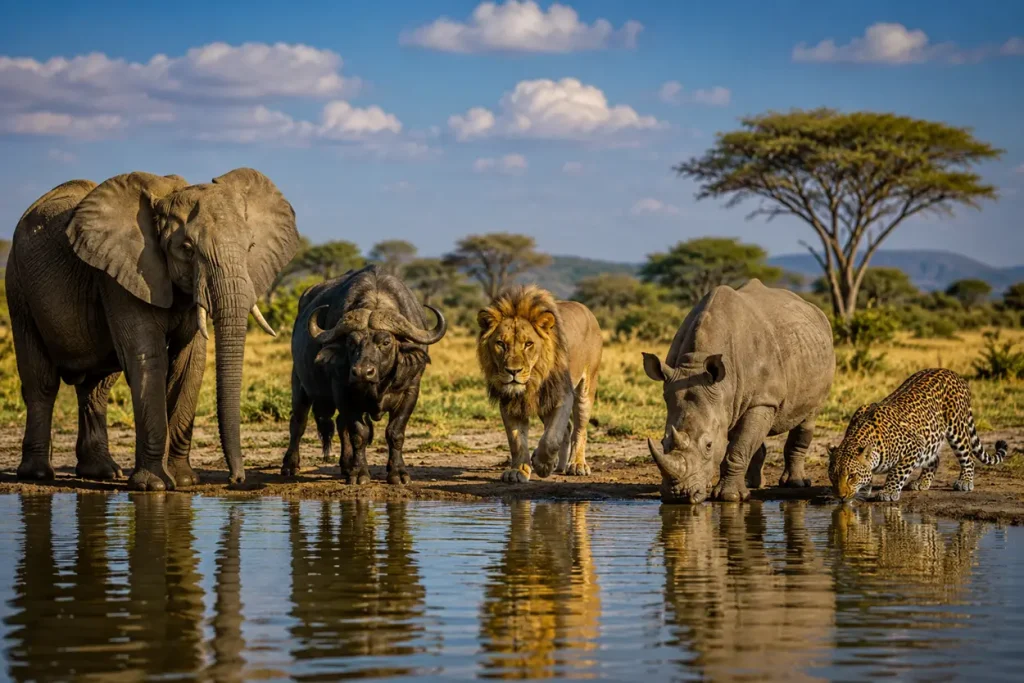
Akagera National Park: The Big 5 Return
TL;DR – Most people think Rwanda means gorillas. Akagera National Park in the east of the country is proof that Rwanda is also a serious Big 5 safari destination. Lions were reintroduced in 2015. Black rhino followed in 2017. The park is now one of Africa’s most compelling conservation comeback stories – and one of its most undervisited Big 5 destinations.
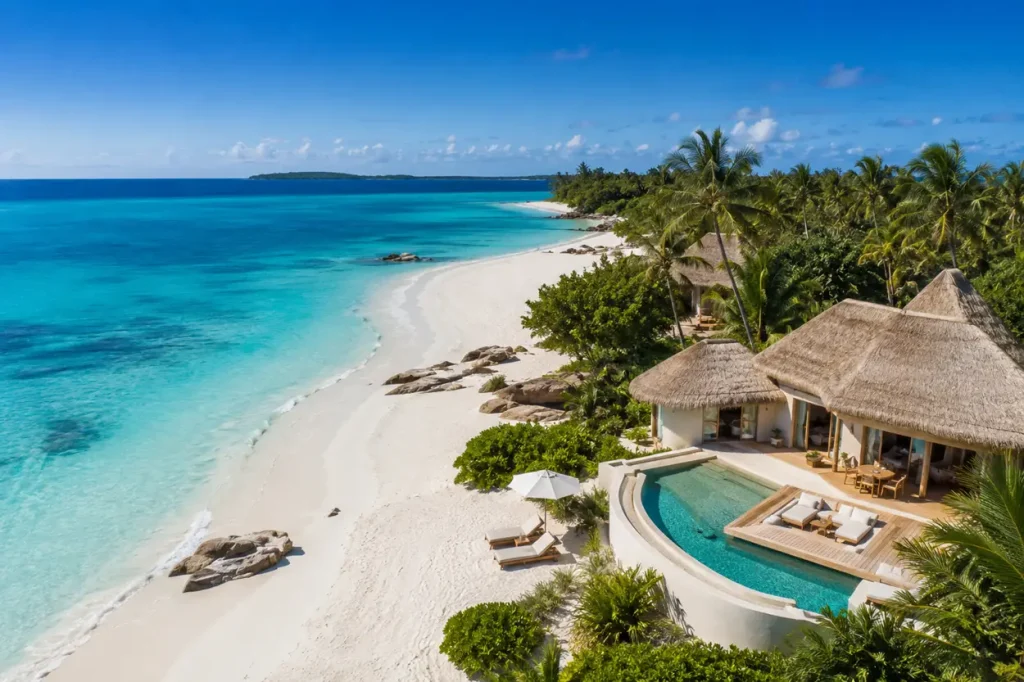
Azura vs. Kisawa: Island Luxury
TL;DR – Mozambique has two of the most compelling luxury island resorts in Africa, sitting in the same archipelago and aimed at completely different travelers. Azura Benguerra is warm, barefoot, and deeply personal. Kisawa Sanctuary is architectural, futuristic, and jaw-dropping. Choosing between them comes down to one question: what kind of luxury do you actually want?
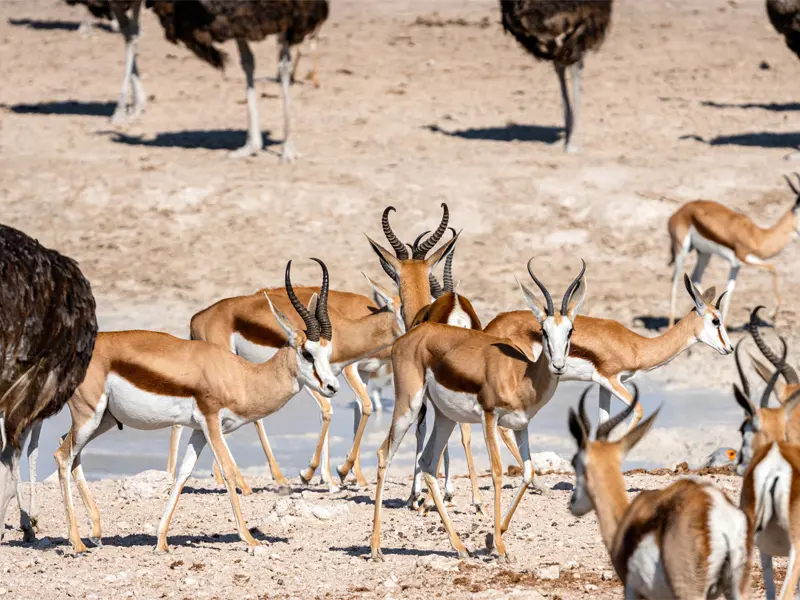
Etosha National Park: The Waterhole Theater
TL;DR – Etosha National Park in Namibia works differently from every other safari destination. You don’t drive to the animals. You sit at a waterhole and the animals come to you. It’s one of the most productive and meditative wildlife experiences in Africa – and one of the most underrated.
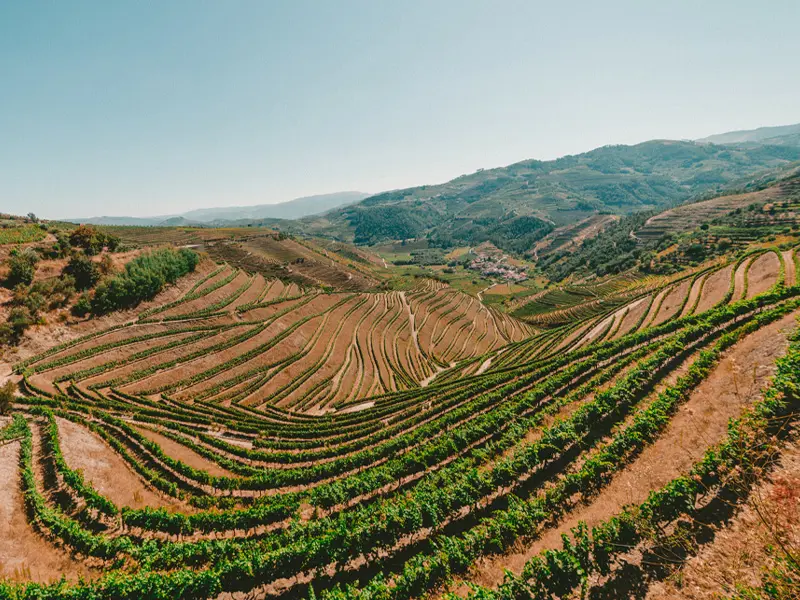
The Winelands: Franschhoek vs. Stellenbosch
TL;DR – Franschhoek and Stellenbosch are both world-class wine destinations sitting 30 minutes from Cape Town and 20 minutes from each other. They look similar on a map but feel completely different on the ground. Here’s how to tell them apart, what each one does best, and how to fit both into a South Africa trip.
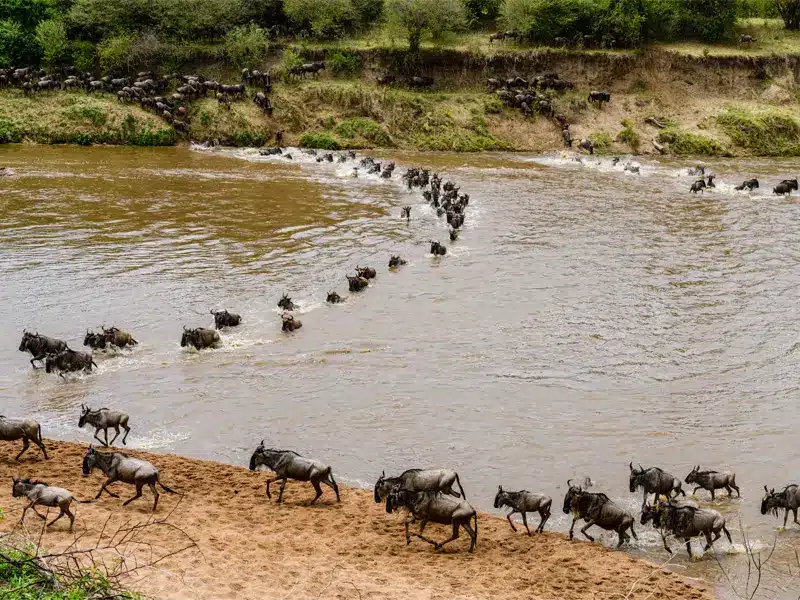
River Crossings 101: Timing is Everything
TL;DR – The Mara River crossing is one of the most dramatic wildlife events on earth. It’s also one of the most misunderstood. It doesn’t happen on a schedule, it can’t be predicted day-to-day, and most people who try to catch it on a short visit miss it entirely. Here’s how to actually be there when it happens.
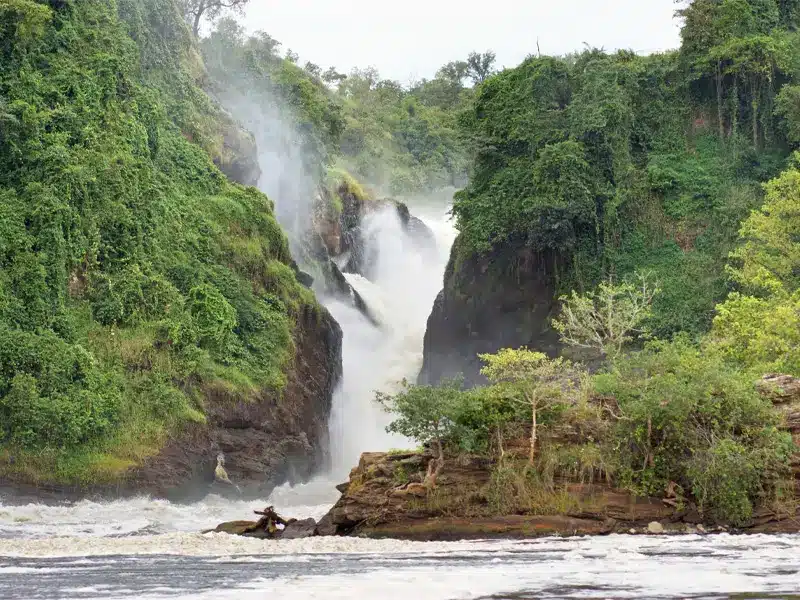
Murchison Falls: The Power of the Nile
TL;DR – Murchison Falls is where the entire Nile River forces itself through a 7-meter gap in the rock and drops 43 meters into a churning pool below. The boat cruise to the base of the falls is one of Uganda’s defining experiences – and the park around it is one of East Africa’s most underrated safari destinations. Here’s what to expect.
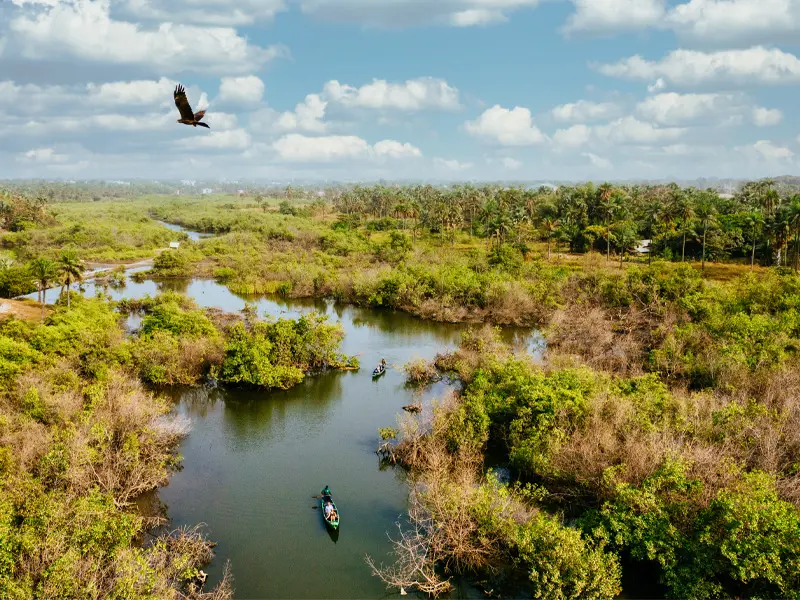
Lower Zambezi: Canoeing with Hippos
TL;DR – A canoe safari on the Lower Zambezi puts you at water level, drifting silently past elephants, hippos, and crocodiles with nothing between you and the river. It’s one of Africa’s most immersive wildlife experiences – and yes, it’s safe when done properly. Here’s everything you need to know.
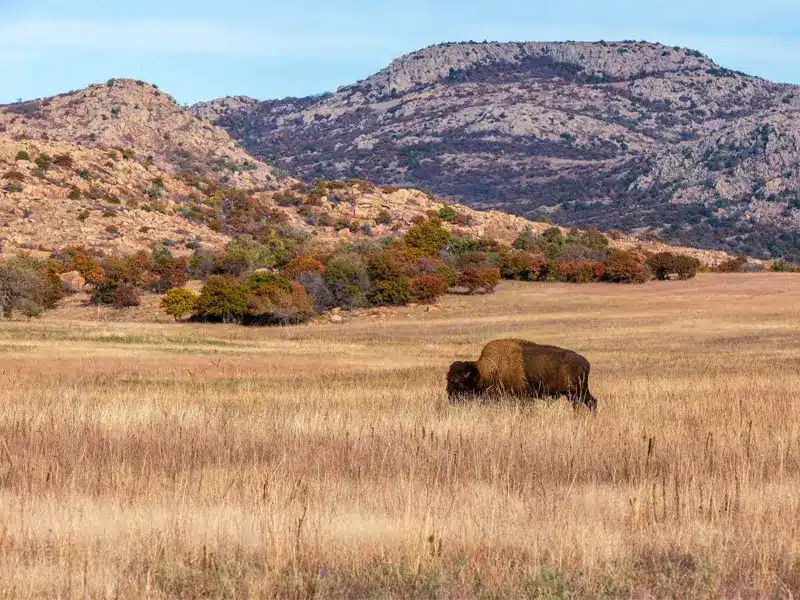
Hwange National Park: Pump Runs & Elephants
TL;DR – Hwange National Park in Zimbabwe holds one of the largest elephant populations on earth – over 40,000 animals. The secret to seeing them in extraordinary numbers is understanding how the park’s artificial waterhole system works, and specifically what a pump run safari is. Here’s everything you need to know.
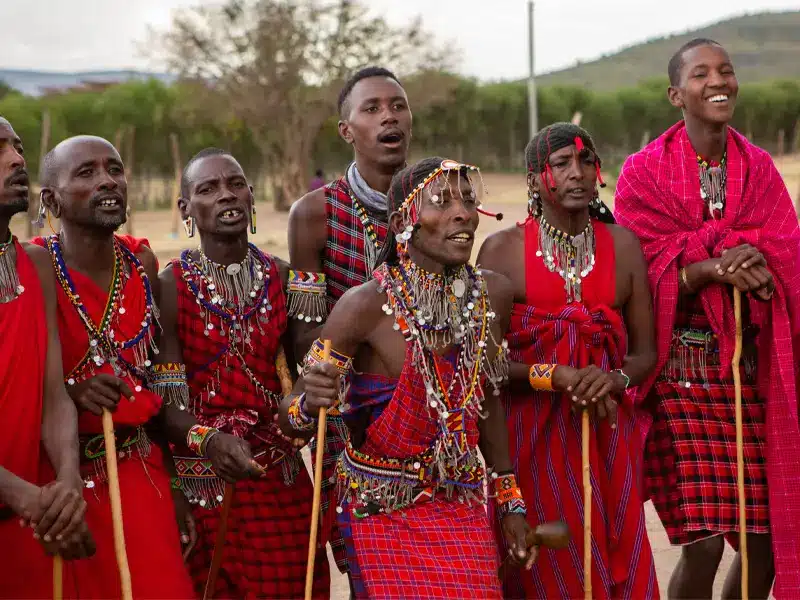
The Samburu Special 5: North of the Equator
TL;DR – The Samburu Special 5 are five endemic animals found in northern Kenya that you simply cannot see in the Masai Mara or anywhere else in the country. If you’ve done the classic Kenya safari and want something different – or if you want to build a trip that covers ground nobody else is covering – Samburu is the answer.
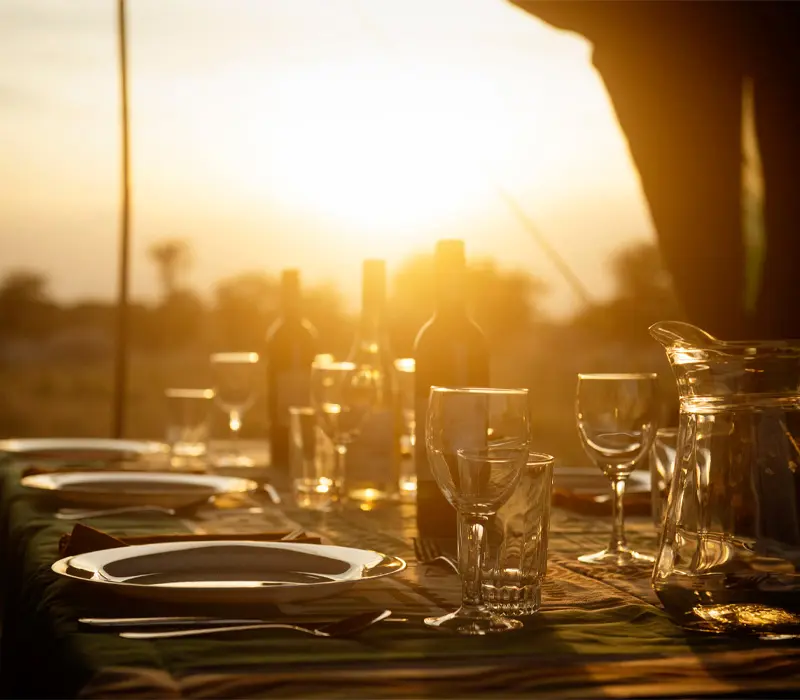
Chief’s Island: The Predator Capital
TL;DR – Chief’s Island is the largest island in the Okavango Delta and holds the highest concentration of predators in Botswana. If lions, leopards, wild dogs, and cheetahs on the same game drive is what you’re after, this is where you go. Here’s why it works and how to plan it right.

Gorongosa National Park: The Comeback Story
TL;DR – Gorongosa was once one of Africa’s greatest wildlife parks. Civil war nearly erased it. Today, it’s in the middle of one of the most ambitious conservation recoveries on the continent – and visiting right now means witnessing something most safari destinations can’t offer: a park coming back to life in real time.
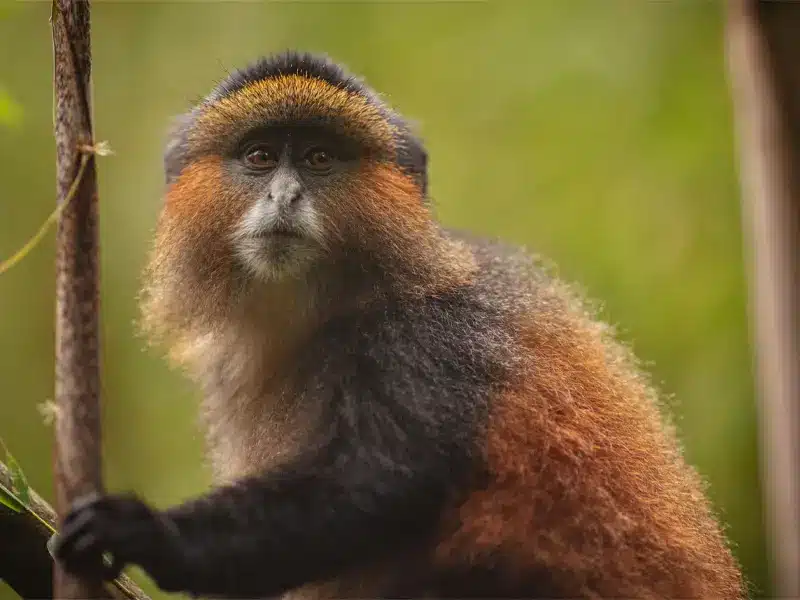
Beyond Gorillas: Golden Monkey Trekking
TL;DR – Most people fly to Rwanda, spend one hour with gorillas, and leave. That’s a mistake. The golden monkey trek in Volcanoes National Park is faster, cheaper, and in some ways more exciting. If you’re already there, this one deserves a full morning of your itinerary.
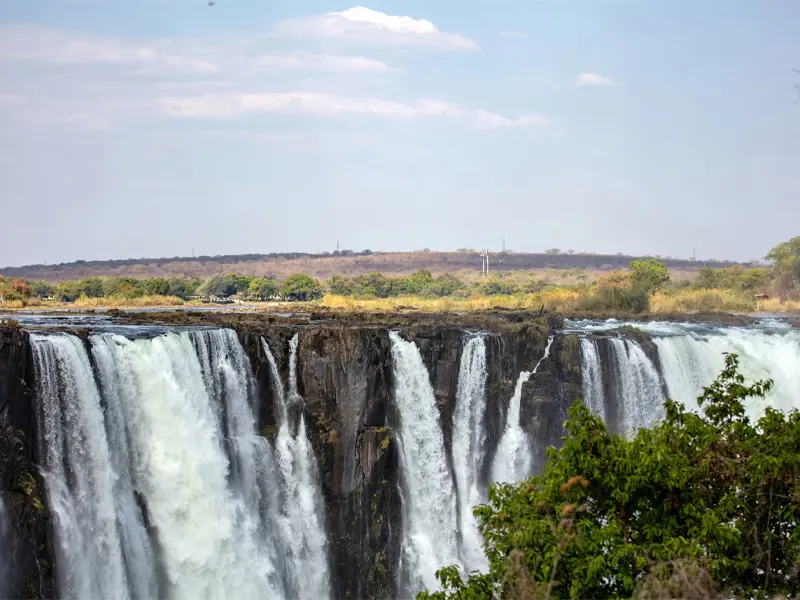
Victoria Falls: Swimming in Devil’s Pool
TL;DR – There’s a natural rock pool at the very lip of Victoria Falls where you can swim and peer over the edge into a 100-meter drop. It’s only accessible during the dry season, it’s guided, and it’s one of the most surreal experiences in Africa. Here’s everything you need to know before you go.
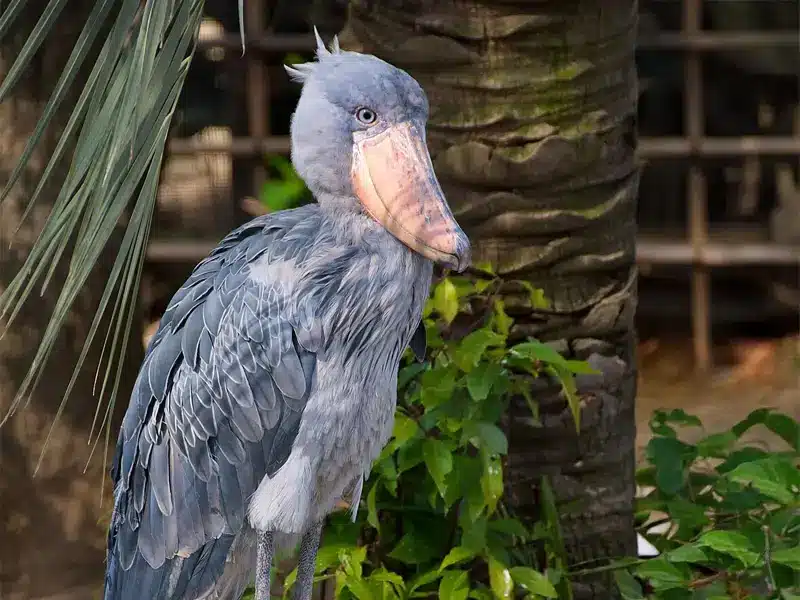
The Shoebill Stork: Searching Mabamba Swamp
TL;DR – The shoebill stork is one of the strangest, most ancient-looking birds on earth. Uganda is one of the best places to find one, and Mabamba Swamp – just outside Entebbe – is where most sightings happen. A half-day canoe trip is all it takes. Here’s exactly what to expect.
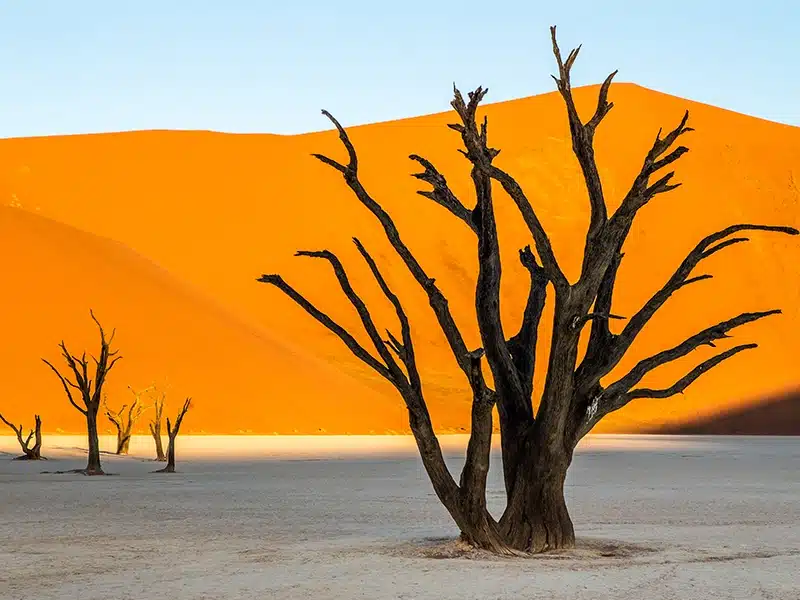
Sossusvlei & Deadvlei: Climbing “Big Daddy”
TL;DR – The Namib Desert holds some of the tallest dunes on Earth, but nothing beats the view from the top of “Big Daddy.” Climbing this 325-meter dune gives you a bird’s-eye view of Deadvlei – a white clay pan filled with 900-year-old skeletons of trees. It is a quiet, visual reset that feels like walking through a surrealist painting.
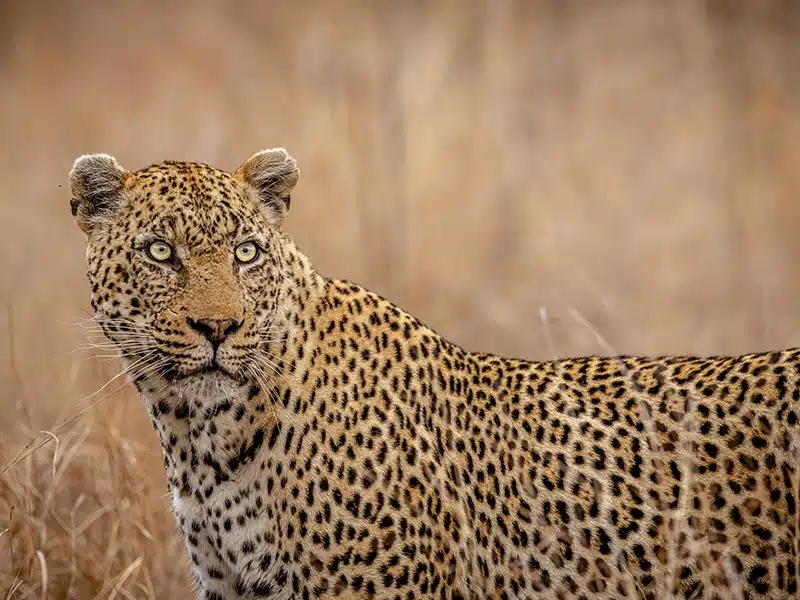
Sabi Sand Game Reserve: The Leopard Capital of Africa
TL;DR – Seeing a leopard in the wild is usually a matter of rare luck, but Sabi Sand changes the game. This reserve has the highest leopard density in the world and animals that are calm around vehicles. By choosing a private lodge here, you trade the frustration of crowded public roads for intimate, world-class wildlife sightings.
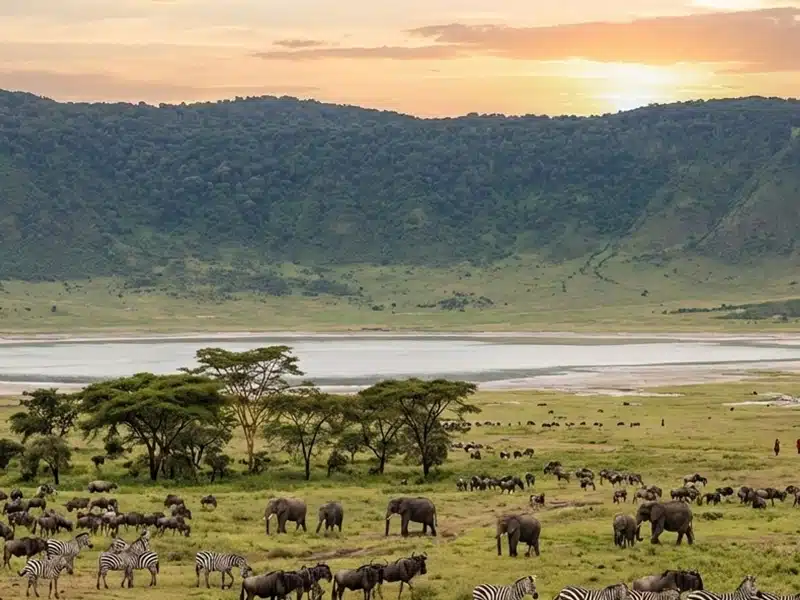
Ngorongoro Crater: Beating the Traffic
TL;DR – The Ngorongoro Crater is a natural wonder, but its popularity means heavy vehicle traffic. To experience this “Garden of Eden” without the crowds, you must reach the gate by dawn. Staying at a lodge on the rim gives you a head start, allowing you to enjoy the crater floor before the day-trippers arrive.
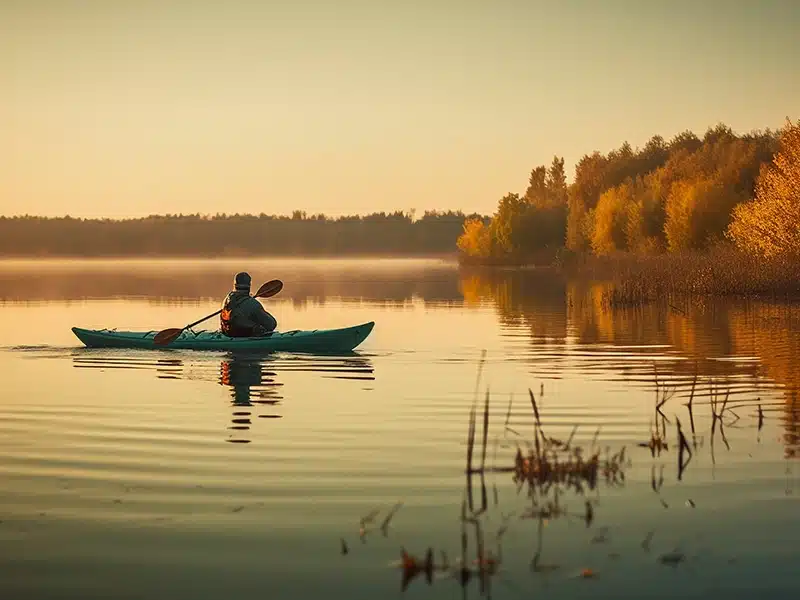
Mokoro vs. Motorboat: The Delta Explained
TL;DR – Gliding through the Okavango Delta is the ultimate safari reset, but the experience depends on your choice of craft. While motorboats cover distance and find big game, the mokoro offers a silent, eye-level connection with nature. Understanding the seasonal water levels is the key to choosing the right camp for your journey.
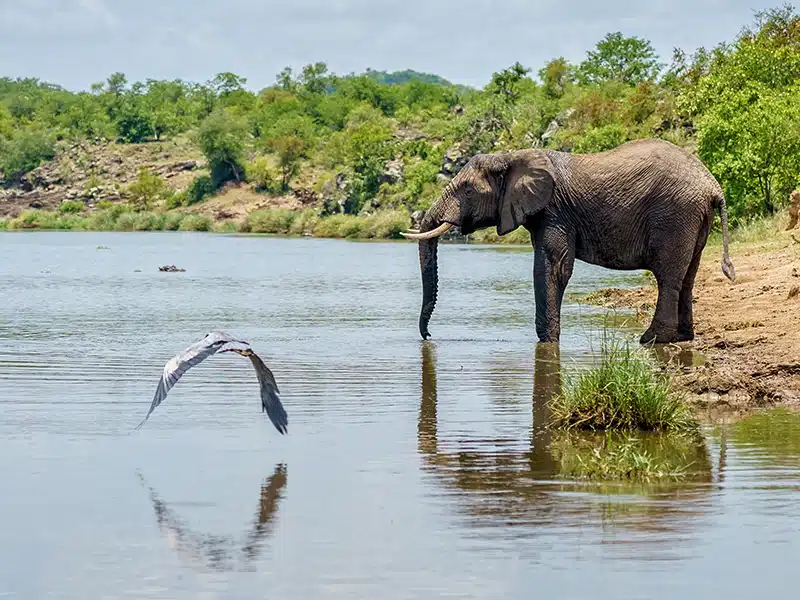
Mana Pools: The “Blue Forest” & Standing Elephants
TL;DR – Mana Pools is one of the last truly wild places in Africa. It is famous for its “Blue Forest” light and elephants that stand on their hind legs to reach high branches. A walking safari here removes the barriers between you and nature, providing a raw, quiet escape from the noise of the modern world.
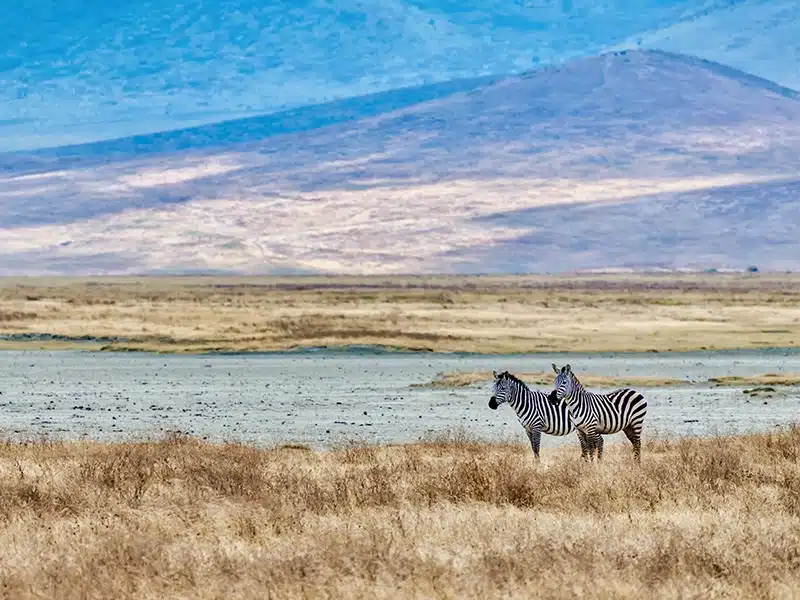
Conservancies vs. National Reserve: Avoiding the Crowds
TL;DR – The Masai Mara National Reserve is world-famous, but during peak season, it can feel like a crowded parking lot. Private conservancies offer the same incredible wildlife with none of the crowds. By staying in a conservancy, you gain exclusive access to off-road driving, night safaris, and walking tours—experiences that are forbidden in the main reserve.
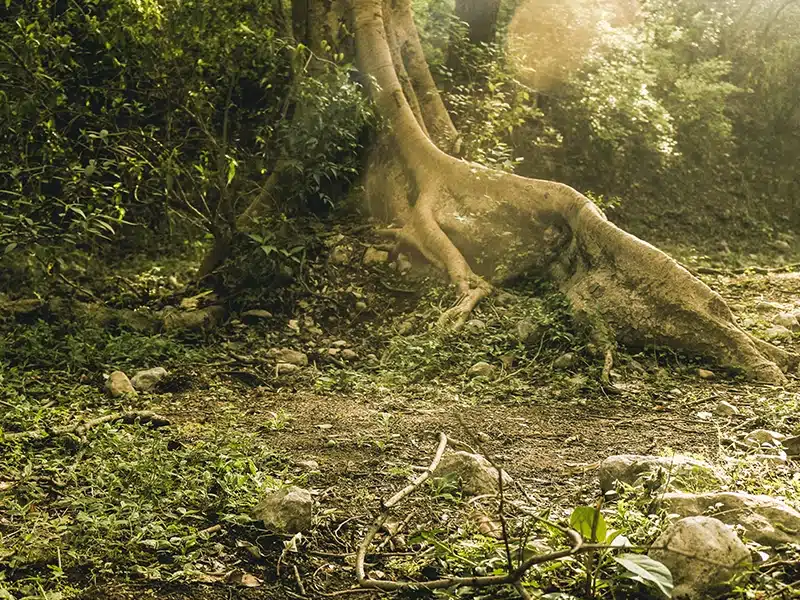
Kibale Forest: The Primate Capital
TL;DR – While gorillas get most of the attention in Uganda, Kibale Forest holds a different kind of magic. With 1,500 chimpanzees, it offers the highest primate density in the world. The “Habituation Experience” allows you to spend a full day following a troop through the canopy, providing a loud, high-energy contrast to the quiet of a gorilla trek.
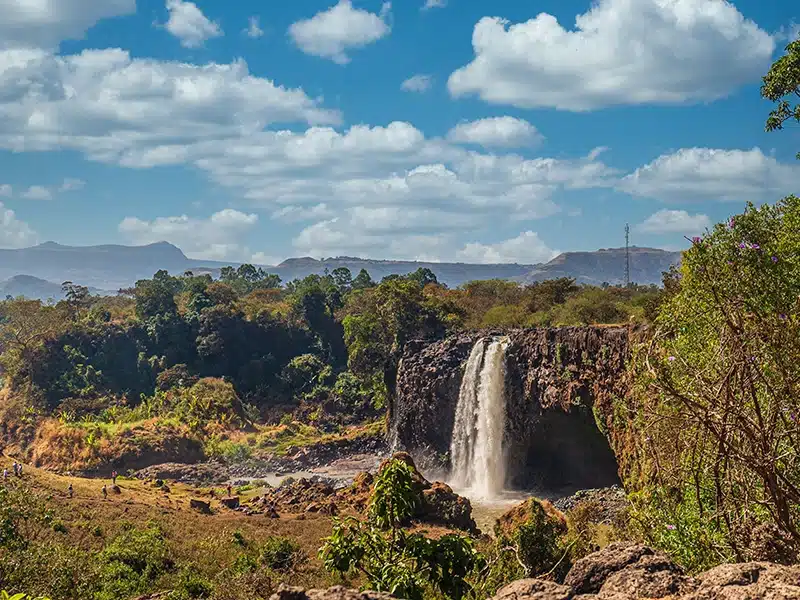
The Green Season Secret: Why Nov-Mar is the Best Value
TL;DR – Most travelers think the dry winter is the only time for a safari, but the “Green Season” (November to March) is Botswana’s hidden gem. You get fewer crowds, lower prices, and a front-row seat to wildlife births and vibrant landscapes. It is the ultimate way to disconnect and reset without the peak-season rush.
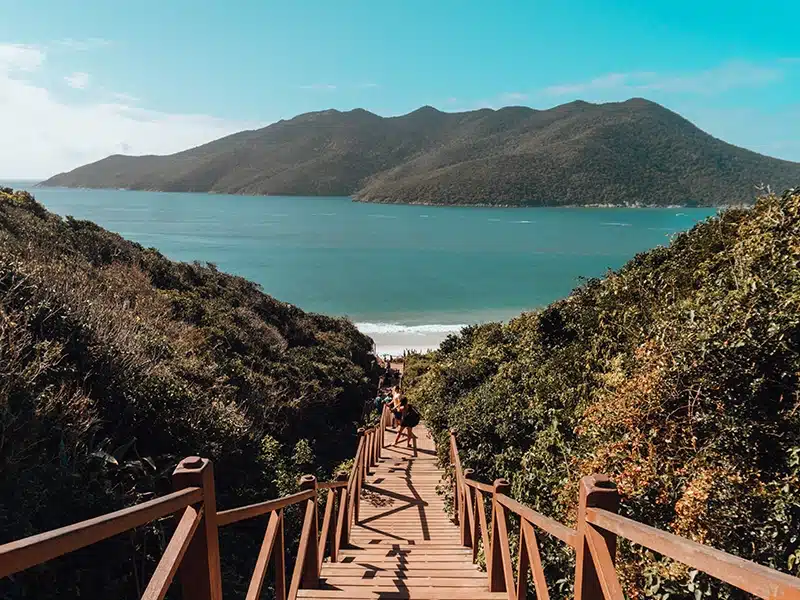
Cape Town Guide: 48 Hours in the Mother City
TL;DR – Cape Town is the ultimate “soft landing” for your African journey. In just 48 hours, you can stand on top of Table Mountain, dine at world-ranked restaurants, and drive one of the most beautiful coastlines on earth. We handle the private drivers and hard-to-get bookings, so you can enjoy the city without the stress of navigating it.
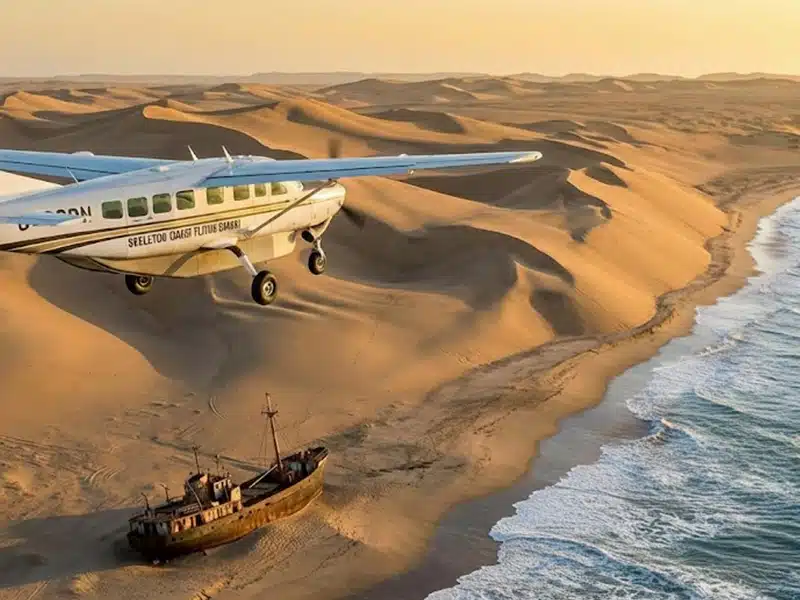
The Skeleton Coast: Flying Over Shipwrecks
TL;DR – The Skeleton Coast is where the Atlantic Ocean swallows the Namib Desert, leaving behind a graveyard of rusted ships and whale bones. A flying safari is the only way to truly see this landscape, taking you from the fog of Swakopmund to the remote Hoanib Valley. It is the ultimate escape for those who want to feel completely disconnected from civilization.
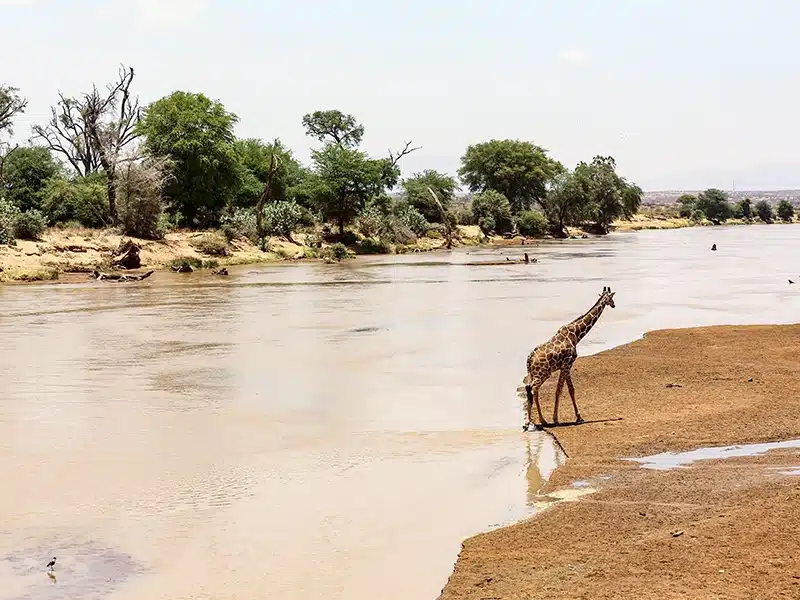
The Birthplace of Walking Safaris: South Luangwa
Walking through the African bush is the ultimate way to slow down and sharpen your senses. South Luangwa is where the walking safari was born, offering a raw connection to nature that you simply can’t get from a vehicle. With expert guides and remote bush camps, it is the most immersive way to reset your mind and body.
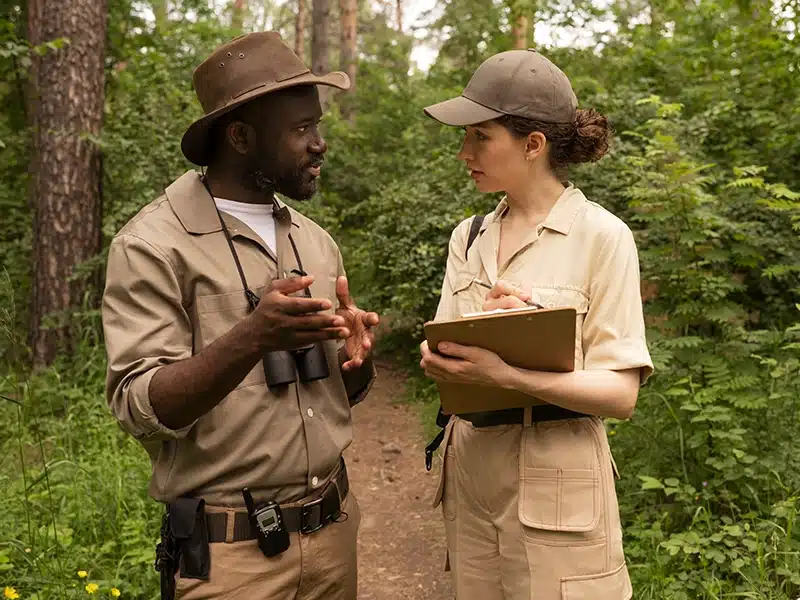
The Guides of Zimbabwe: The Hardest License to Get
A safari guide can make or break your entire experience. In Zimbabwe, becoming a professional guide takes up to seven years of intense study and field exams. This rigorous process ensures that your guide isn’t just a driver, but a master of tracking, botany, and safety, giving you the most reaching and secure connection to the wild.
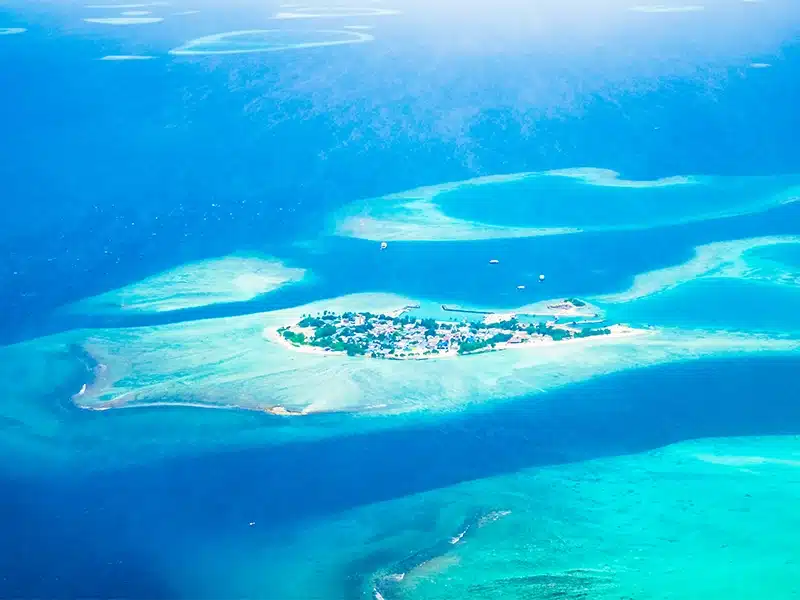
Bazaruto Archipelago: The Pearl of the Indian Ocean in Mozambique
If you want to finish your African journey with total stillness, the Bazaruto Archipelago is the answer. This chain of islands offers towering sand dunes, rare marine life, and a level of privacy that makes the Maldives feel crowded. It is the ultimate “blue reset” where the only schedule is the rise and fall of the tide.
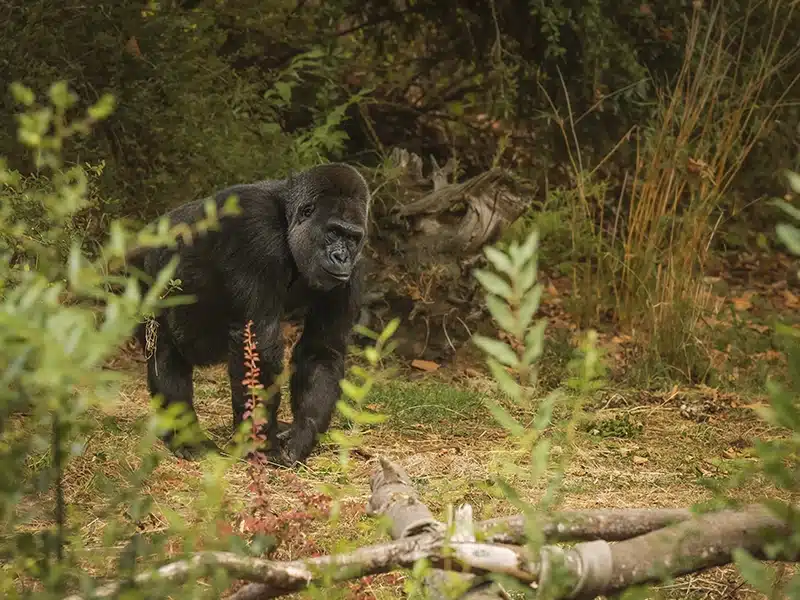
Gorilla Trekking Logistics: Permits, Fitness & Reality
Seeing mountain gorillas is a life-changing event, but where you go matters. Rwanda offers a premium, accessible experience for $1,500, while Uganda provides a more rugged, strenuous trek for $800. Success depends on securing your spot months in advance and choosing the country that matches your physical ability.
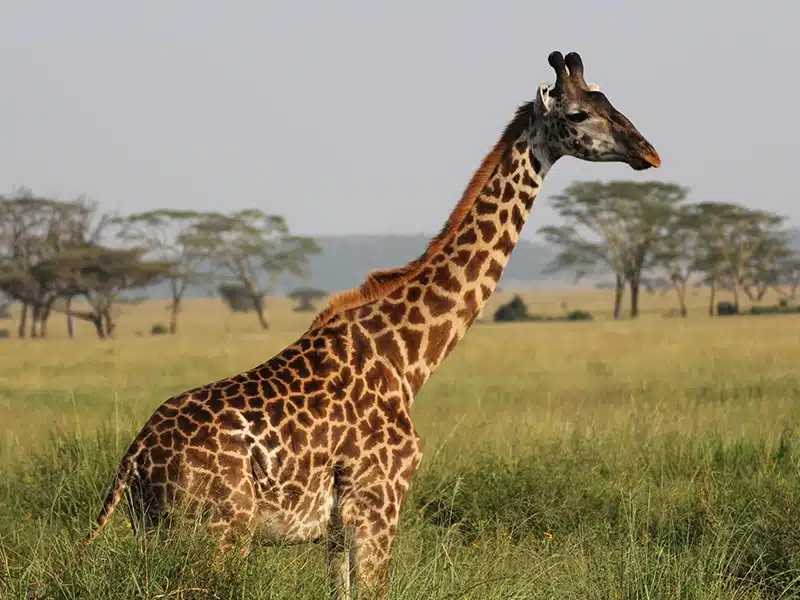
The Calving Season: Witnessing 8,000 Births a Day
While river crossings get the headlines, the calving season in February is the Serengeti’s most powerful spectacle. Every single day, about 8,000 wildebeest are born on the southern plains, attracting the world’s top predators. It is a raw, high-energy event that offers a front-row seat to the circle of life in its most vivid form.