Ngorongoro Crater: Beating the Traffic
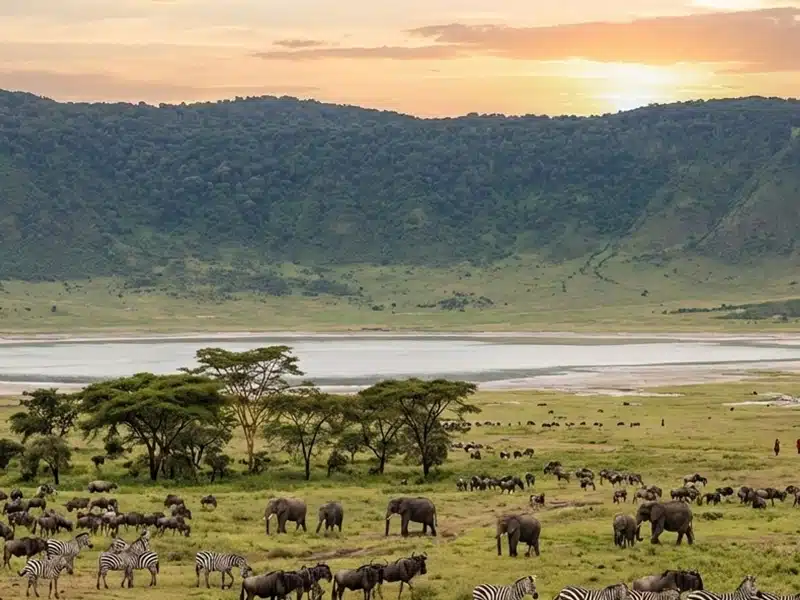
TL;DR – The Ngorongoro Crater is a natural wonder, but its popularity means heavy vehicle traffic. To experience this “Garden of Eden” without the crowds, you must reach the gate by dawn. Staying at a lodge on the rim gives you a head start, allowing you to enjoy the crater floor before the day-trippers arrive.
Mokoro vs. Motorboat: The Delta Explained
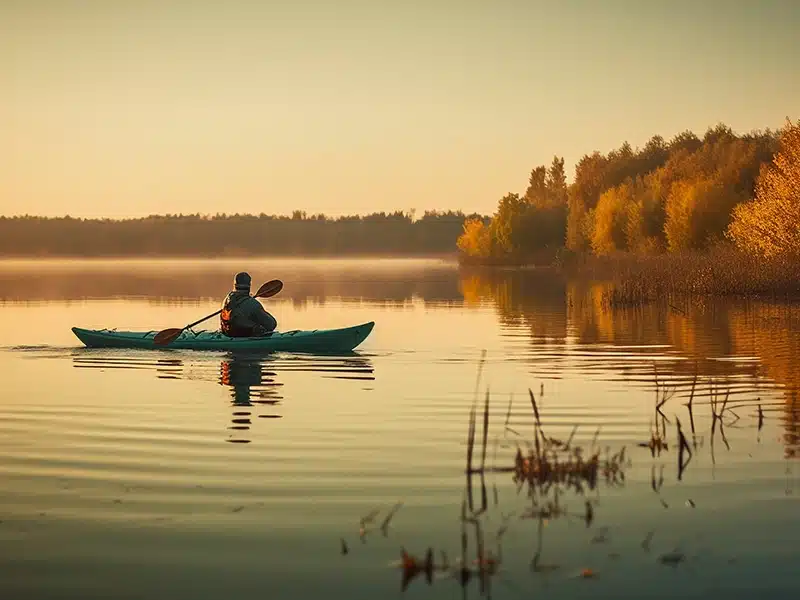
TL;DR – Gliding through the Okavango Delta is the ultimate safari reset, but the experience depends on your choice of craft. While motorboats cover distance and find big game, the mokoro offers a silent, eye-level connection with nature. Understanding the seasonal water levels is the key to choosing the right camp for your journey.
Mana Pools: The “Blue Forest” & Standing Elephants
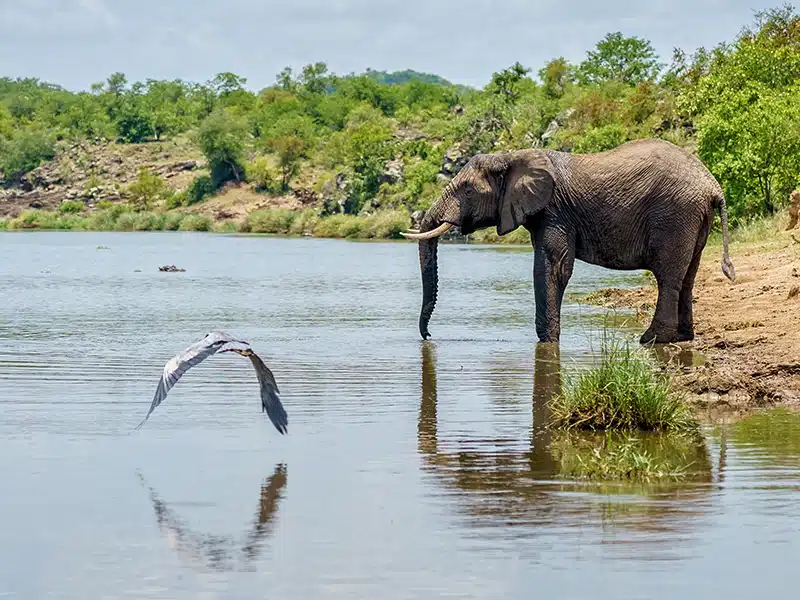
TL;DR – Mana Pools is one of the last truly wild places in Africa. It is famous for its “Blue Forest” light and elephants that stand on their hind legs to reach high branches. A walking safari here removes the barriers between you and nature, providing a raw, quiet escape from the noise of the modern world.
Conservancies vs. National Reserve: Avoiding the Crowds
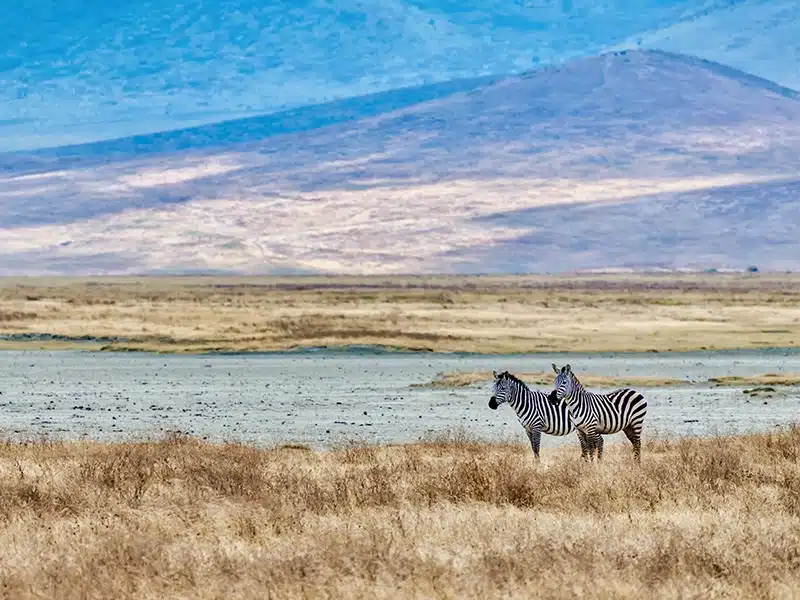
TL;DR – The Masai Mara National Reserve is world-famous, but during peak season, it can feel like a crowded parking lot. Private conservancies offer the same incredible wildlife with none of the crowds. By staying in a conservancy, you gain exclusive access to off-road driving, night safaris, and walking tours—experiences that are forbidden in the main reserve.
Kibale Forest: The Primate Capital
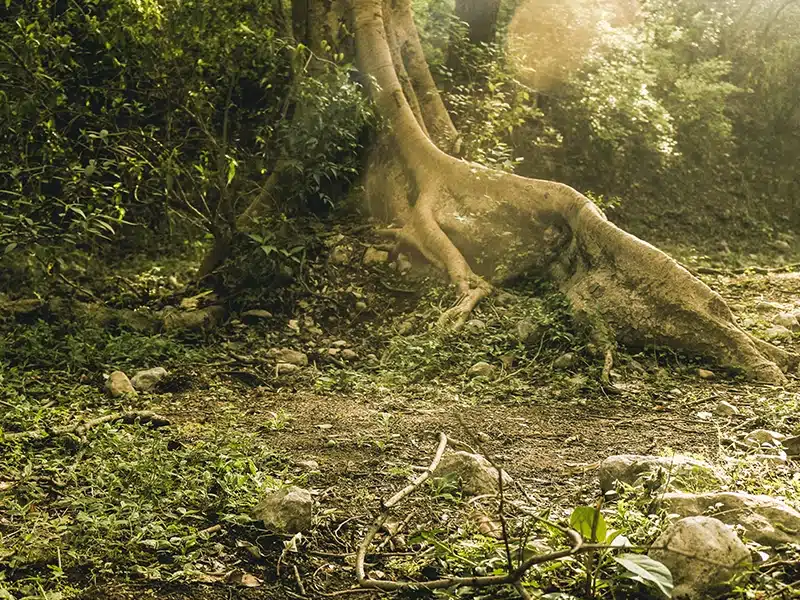
TL;DR – While gorillas get most of the attention in Uganda, Kibale Forest holds a different kind of magic. With 1,500 chimpanzees, it offers the highest primate density in the world. The “Habituation Experience” allows you to spend a full day following a troop through the canopy, providing a loud, high-energy contrast to the quiet of a gorilla trek.
The Green Season Secret: Why Nov-Mar is the Best Value
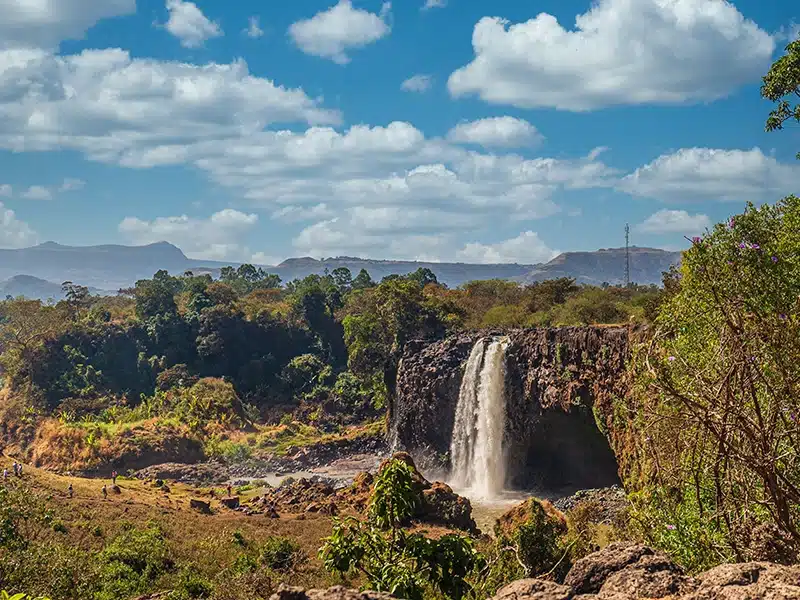
TL;DR – Most travelers think the dry winter is the only time for a safari, but the “Green Season” (November to March) is Botswana’s hidden gem. You get fewer crowds, lower prices, and a front-row seat to wildlife births and vibrant landscapes. It is the ultimate way to disconnect and reset without the peak-season rush.
Cape Town Guide: 48 Hours in the Mother City
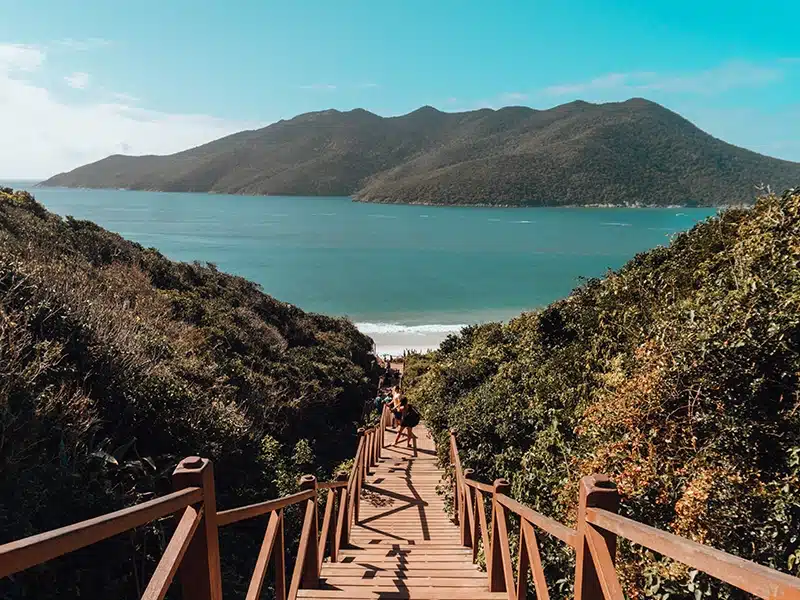
TL;DR – Cape Town is the ultimate “soft landing” for your African journey. In just 48 hours, you can stand on top of Table Mountain, dine at world-ranked restaurants, and drive one of the most beautiful coastlines on earth. We handle the private drivers and hard-to-get bookings, so you can enjoy the city without the stress of navigating it.
The Skeleton Coast: Flying Over Shipwrecks
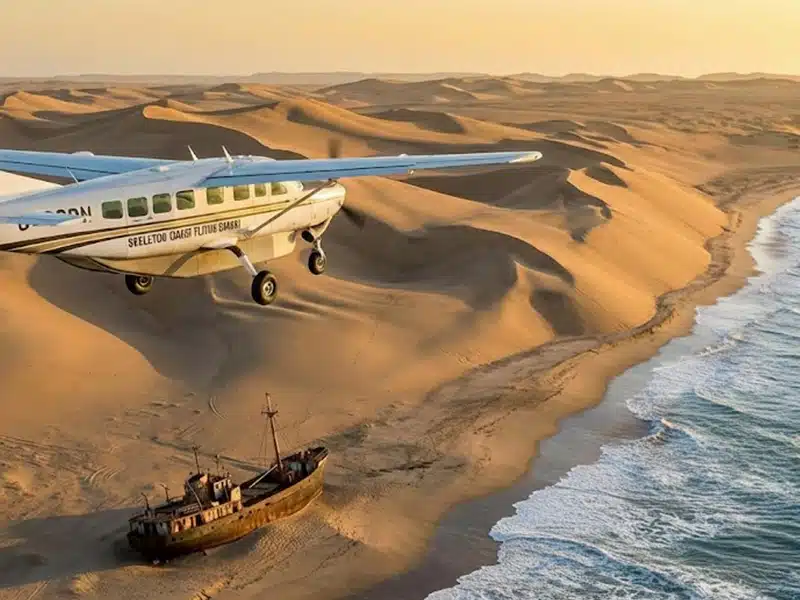
TL;DR – The Skeleton Coast is where the Atlantic Ocean swallows the Namib Desert, leaving behind a graveyard of rusted ships and whale bones. A flying safari is the only way to truly see this landscape, taking you from the fog of Swakopmund to the remote Hoanib Valley. It is the ultimate escape for those who want to feel completely disconnected from civilization.
The Birthplace of Walking Safaris: South Luangwa
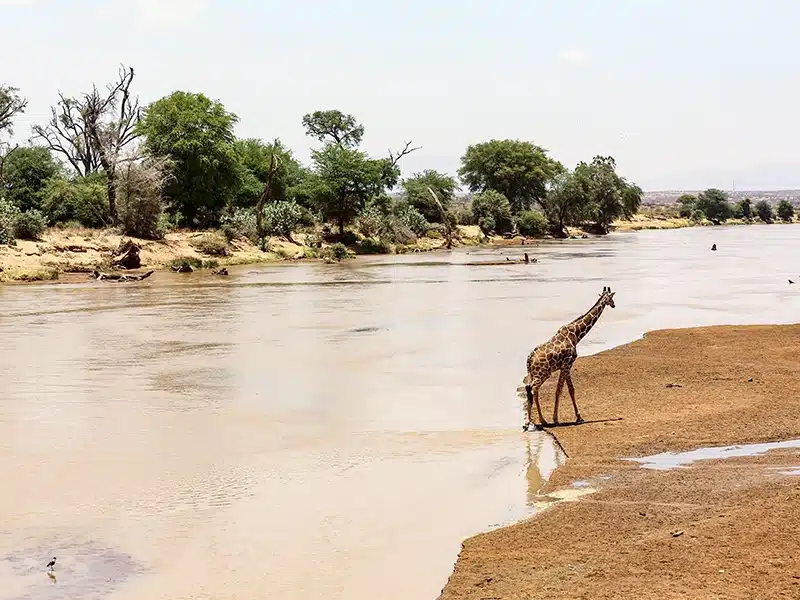
Walking through the African bush is the ultimate way to slow down and sharpen your senses. South Luangwa is where the walking safari was born, offering a raw connection to nature that you simply can’t get from a vehicle. With expert guides and remote bush camps, it is the most immersive way to reset your mind and body.
The Guides of Zimbabwe: The Hardest License to Get
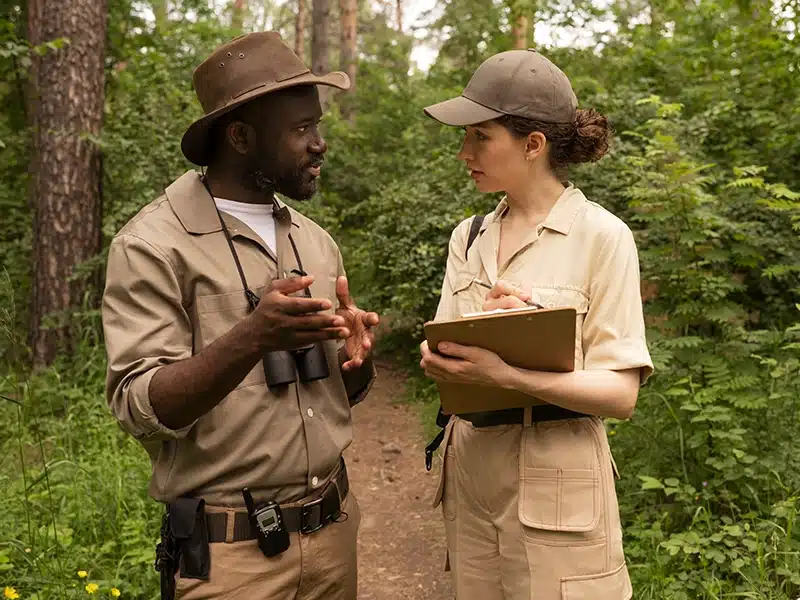
A safari guide can make or break your entire experience. In Zimbabwe, becoming a professional guide takes up to seven years of intense study and field exams. This rigorous process ensures that your guide isn’t just a driver, but a master of tracking, botany, and safety, giving you the most reaching and secure connection to the wild.