Choosing between a private safari and a group safari is one of the most consequential decisions you’ll make when planning an African trip. The difference isn’t just about price — it shapes every aspect of your experience, from when you wake up to how long you linger at a lion sighting. This guide breaks down the real trade-offs so you can make a decision that fits your travel style, not just your budget.
Key Takeaways
- Private safaris offer exclusive vehicles, personal guides, and fully flexible itineraries — group safaris share all of these across multiple travelers.
- Private safaris typically cost 20–50% more per person than comparable group safaris, but the gap narrows significantly for parties of five or more.
- Group safaris are not automatically “budget” — premium small-group safaris can be high-quality experiences at a meaningful price point.
- Wildlife viewing quality can differ significantly: private vehicles can reposition freely and stay at sightings longer without group consensus.
- Neither option is universally better — the right choice depends on your budget, group composition, pace preference, and how much control matters to you.
Private vs Group Safari: The Quick Answer
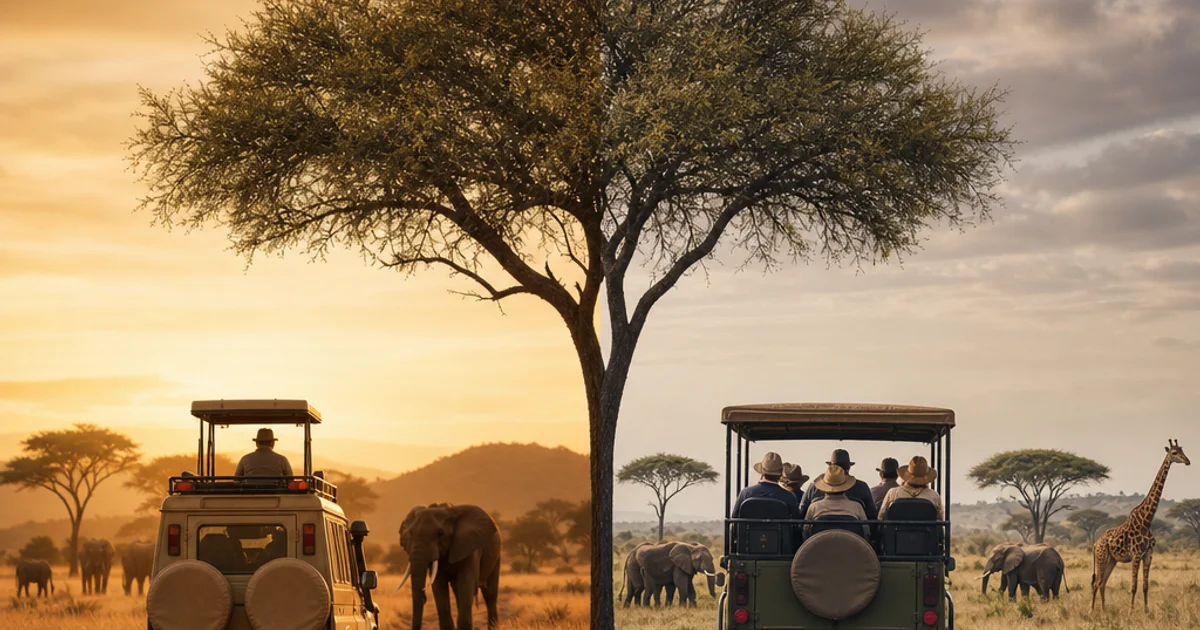
A private safari is an exclusive-use experience: one booking party, one dedicated vehicle, one private guide, and an itinerary built entirely around your preferences. A group safari is a shared experience where guests from different bookings travel together in a shared vehicle, following a fixed itinerary set by the operator.
The core trade-off is straightforward. Private safaris give you more flexibility, more privacy, and a more personalized experience. Group safaris make the overall cost more accessible by splitting logistics and guide fees across multiple travelers. Private safaris are typically 20–50% more expensive per person than comparable group options — but that number shifts considerably based on destination, season, accommodation category, and how many people are in your party. Neither format is automatically superior. The right choice depends on your specific priorities.
| Factor | Private Safari | Group Safari | Best For |
|---|---|---|---|
| Cost per person | Higher (20–50% premium) | More affordable | Budget-conscious travelers: Group |
| Itinerary flexibility | Fully customizable | Fixed schedule | Control seekers: Private |
| Vehicle occupancy | Your party only | 6–12 strangers | Families and couples: Private |
| Guide attention | Dedicated, one-on-one | Shared among group | Serious wildlife enthusiasts: Private |
| Social experience | Intimate, within your party | Meets fellow travelers | Solo travelers: Group |
| Wildlife viewing depth | Stay as long as you want | Subject to group consensus | Photographers and specialists: Private |
| Value for larger parties | Cost spreads across more people | Less cost advantage at scale | Groups of 5–7: Private |
Cost and Value: What Are You Really Paying For?
Is a private safari worth the extra cost? For many travelers, yes — but the answer depends on what you value and how you’re traveling.
Why Private Safaris Cost More
When you book a private safari, you’re paying for exclusivity at every layer. The vehicle is reserved entirely for your group — no cost-sharing with strangers. Your guide’s time and expertise is dedicated solely to your interests. The itinerary is planned and adjusted around your schedule, pace, and wildlife priorities. In many cases, private safaris also provide access to more flexible accommodation choices, including smaller owner-run camps that don’t work with larger group operators.
The cost premium reflects real operational factors: fuel, guide fees, park entry fees, and vehicle costs are absorbed entirely by one booking party rather than distributed across eight or ten paying guests. For a couple traveling alone, this is where the price gap is sharpest. For a family of six or a group of friends, the per-person math shifts considerably — and private becomes much more competitive.
Why Group Safaris Are Cost-Efficient
Group safaris work economically because fixed costs are shared. A single vehicle, one guide, one set of park fees per day — split across six to twelve guests. This structure allows operators to offer quality wildlife experiences at a lower per-person price point, and it’s the reason group safaris have historically been the entry point for many first-time safari travelers.
It’s worth correcting a common misconception here: group safaris are not automatically “cheap” experiences. Premium small-group safari itineraries — particularly those visiting top-tier national parks in Tanzania or Kenya — can still represent a significant investment. You may be sharing a vehicle, but you’re not necessarily sacrificing quality camps, expert guiding, or compelling wildlife access. To understand the full pricing landscape, see our complete guide to African safari costs.
Hidden Value in Private Safaris
Beyond the obvious amenities, private safaris offer value that doesn’t always appear in price comparisons: fewer compromises, better use of limited time in the bush, and a trip that reflects your specific interests rather than a median preference. If you have a narrow travel window, the ability to maximize every game drive without waiting for group consensus has real, tangible value. For families with young children or travelers with medical or dietary requirements, the flexibility of private travel often removes friction that would otherwise erode the experience.
Flexibility and Itinerary Control
This is where the gap between private and group safaris is most visible day-to-day. On a group safari, you follow the operator’s schedule. Departure times, park circuits, lunch stops, and return times are pre-set. This structure works well and is optimized for efficient wildlife viewing — but it leaves little room for detours.
On a private safari, you and your guide set the pace. If you want an early morning start before dawn, you start early. If you find a cheetah with cubs and want to spend two hours watching without anyone pushing to move on, you stay. If you decide mid-trip that you’d rather spend an extra day in the Serengeti than move to a different park, that conversation is at least possible. This level of control is particularly valuable for travelers on tighter time frames who need to extract maximum value from each day in the field.
Wildlife Viewing Quality
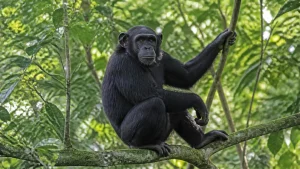
Both private and group safaris can produce outstanding wildlife encounters. The animals don’t know who’s in the vehicle. What differs is how you respond to those encounters — and how positioning decisions get made.
In a shared vehicle, the guide makes positioning calls based on what works for the majority. If half the group has photographed the scene and is ready to move, the vehicle moves. If a member of the group is uncomfortable staying near a large predator, the group adapts. These are reasonable compromises — but they are compromises.
On a private safari, positioning and timing are entirely guided by your priorities. Photographers can request specific angles. Guides can take more time explaining behavior. Families can linger over a kill until the children have absorbed what they’re seeing. For serious wildlife enthusiasts, dedicated naturalists, or anyone investing in photography, this distinction is significant.
There is also a practical vehicle positioning advantage in busy parks. A private guide with one party to satisfy can make faster, more decisive positioning decisions at a competitive sighting — which matters when ten vehicles are vying for the best angle on a leopard in a tree.
Guide Attention and Learning Depth
A knowledgeable safari guide is arguably the most important element of the experience — and the nature of your booking determines how much of that expertise is directed at you.
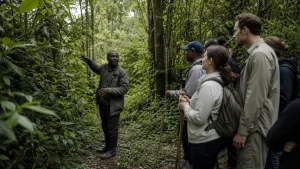
On a group safari, your guide is managing the experience of six to twelve people simultaneously. They field questions, navigate personalities, balance interests, and deliver commentary to the whole vehicle. Many group safari guides are excellent at this — it requires real skill — but the depth of individual engagement is naturally limited.
On a private safari, your guide becomes a dedicated expert companion. They learn what you’re interested in. They notice when you want more explanation and when you prefer silence. They can tailor the interpretive content — whether that’s tracking behavior, bird identification, plant ecology, or local culture — to exactly what engages you. For first-time safari travelers who want to learn, and for experienced travelers who want to go deeper, this personalized attention is often what they remember most.
Social Dynamics and Privacy
Sharing a vehicle with strangers is either a feature or a bug, depending on who you are.
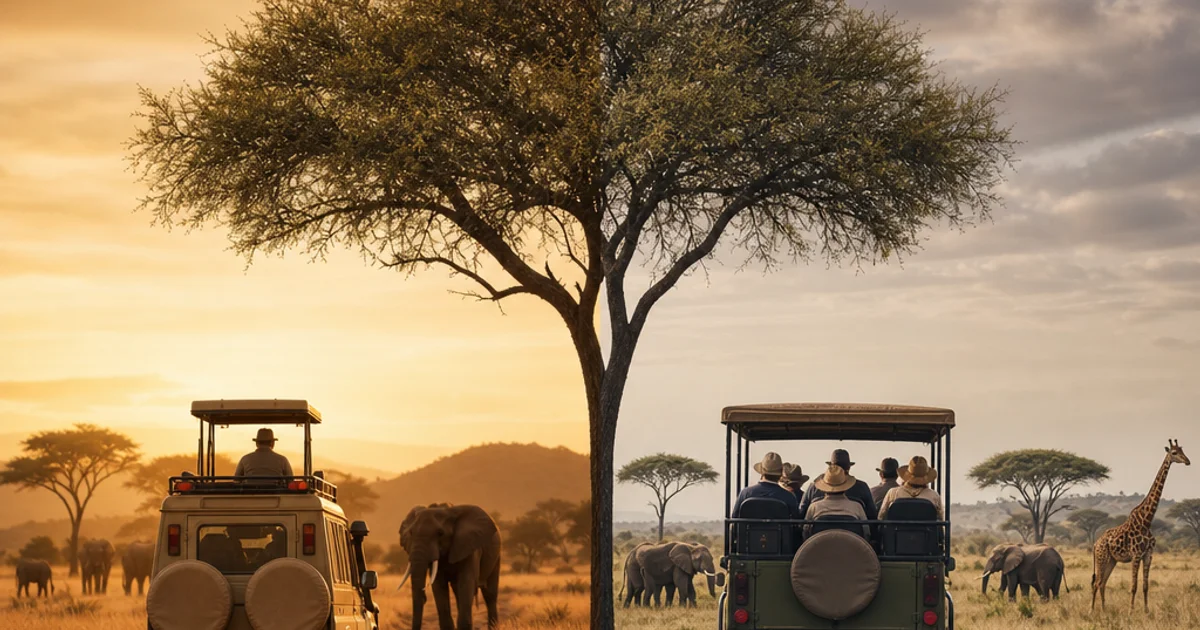
For solo travelers, group safaris offer built-in social connection. Many people who travel alone to Africa specifically want the shared experience — the collective gasp when a pride of lions walks past, the friendships that form over sundowners, the shared references that persist long after the trip ends. Group safaris have a social energy that private safaris simply cannot replicate.
For couples on a milestone trip, families with children, or groups of friends who have their own dynamic, that same shared-vehicle environment can feel intrusive. The chemistry of a random group is unpredictable — you may be matched with ideal companions, or you may find yourself navigating incompatible personalities, noise levels, or wildlife priorities. A private safari removes that variable entirely. Your vehicle is your space.
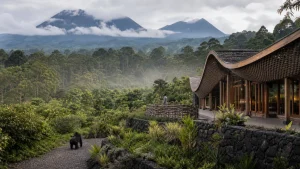
Privacy extends beyond the vehicle. Private safari itineraries can be structured to avoid peak-hour traffic at popular sightings, use exclusive conservancy areas outside busy national parks, and access smaller camps where guest numbers are limited by design.
Who Should Choose Which Option?
Choose a Private Safari If:
- You’re traveling as a couple, family, or established group of friends who want undivided attention and shared intimacy
- You have specific wildlife interests — photography, birding, predator behavior — that require flexible positioning and extended time at sightings
- You’re traveling with children and need scheduling flexibility, dietary accommodation, or a pace suited to younger travelers
- You’re celebrating a significant occasion — honeymoon, anniversary, milestone birthday — where the experiential quality matters as much as the destination
- You’re traveling in a party of five or more, where the per-person cost of a private vehicle becomes increasingly competitive
- You have a short trip window and cannot afford itinerary inefficiency
Choose a Group Safari If:
- You’re a solo traveler who wants to meet people and share the experience with others
- You’re working within a tighter budget and want to prioritize seeing more destinations over exclusive experiences
- You’re an adaptable traveler who is comfortable with fixed schedules and shared decision-making
- You’re new to safari and want a structured, guided introduction to the experience before committing to a more customized trip
- You’re open to the social unpredictability of sharing a vehicle and see it as part of the adventure
Destination choice intersects with this decision too. Some parks and circuits work better for specific formats. If you’re still weighing destinations, our Tanzania vs Kenya safari comparison covers how each country’s infrastructure and park ecosystem suits different traveler types — including how each destination handles private versus group logistics differently.
Making the Final Decision
The private vs group safari debate is not a question of quality — it’s a question of fit. Both formats are capable of delivering genuinely transformative wildlife experiences. The difference lies in how much control you want, how you travel best, and what you’re willing to trade to get it.
If your budget allows and you value flexibility, personalization, and undivided guide attention, a private safari will likely feel like the right investment. If you’re budget-conscious, traveling solo, or open to the shared experience, a well-chosen group safari from a reputable operator can be exceptional value without meaningful sacrifice in wildlife quality.
Before committing, get specific about your priorities. Ask yourself: How important is it that I can change plans mid-trip? How will I feel if another traveler in my vehicle has different interests? Is this a once-in-a-decade trip or the start of a longer safari journey? The answers will point you clearly toward one format or the other.
Whichever format you choose, preparation matters equally. Make sure you have the right gear for the field — our complete safari packing checklist covers everything you need regardless of how you’re traveling.
The bush doesn’t change based on how you booked your vehicle. But how you experience it — and how well it matches your expectations — depends enormously on making the right structural choice before you leave home.
Frequently Asked Questions
What is the core difference between a private safari and a group safari experience?
A private safari offers an exclusive experience with a dedicated vehicle, a personal guide, and an itinerary customized entirely around your preferences. In contrast, a group safari is a shared experience where multiple travelers journey together in one vehicle following a fixed schedule set by the operator.
How much more expensive is a private safari compared to a group safari?
Private safaris typically cost 20–50% more per person than comparable group safaris. However, this price gap narrows significantly for larger parties of five or more people, making private options more competitive at scale.
What kind of itinerary flexibility does a private safari offer?
Private safaris provide complete itinerary control, allowing you to fully customize your schedule, pace, and specific wildlife priorities. You can decide when to start your day or how long to linger at a sighting without needing group consensus.
How does a private safari improve the quality of wildlife viewing?
Private safaris offer superior wildlife viewing quality because your dedicated vehicle can reposition freely and stay at sightings for extended periods. This flexibility allows for better photographic opportunities and deeper observation without the need to accommodate a group’s preferences.
What level of guide attention can I expect on each type of safari?
On a private safari, your guide’s time and expertise are dedicated solely to your party, offering one-on-one interaction and in-depth learning. For group safaris, the guide’s attention is shared among all travelers in the vehicle, which may reduce personalized engagement.
Is a private safari a better value for larger families or groups of friends?
Yes, for larger parties of five or more people, a private safari often becomes much more cost-competitive. The per-person premium decreases as the exclusive costs like vehicle and guide fees are distributed among more travelers within your group.
Who should consider choosing a group safari?
Group safaris are an excellent choice for budget-conscious travelers, solo adventurers, or those who enjoy meeting new people. They offer a cost-efficient way to experience a safari by sharing fixed expenses across multiple guests while still providing quality wildlife viewing opportunities.