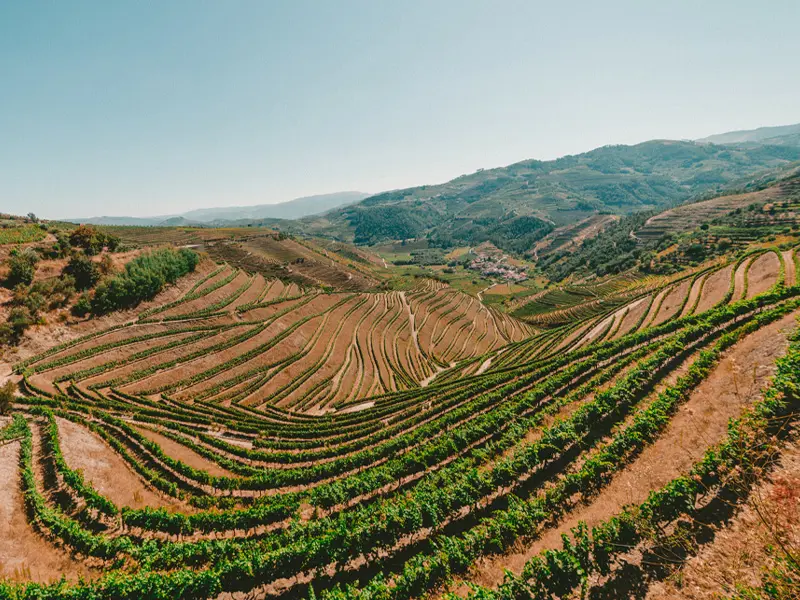
The Franschhoek vs Stellenbosch debate comes down to one distinction: Stellenbosch is a town with wine estates around it. Franschhoek is a valley that exists almost entirely because of wine and food.
Stellenbosch has a university, a working town center, busy streets, coffee shops full of students, and a rugby culture that reminds you this is still safaris.com/countries/south-africa/”>South Africa. The wine estates fan out from the town in every direction across the Stellenbosch mountains. It has energy, variety, and depth.
Franschhoek is smaller, quieter, and more focused. One main street lined with some of the best restaurants in the country. A French Huguenot heritage that shows up in estate names and architecture. A valley so visually perfect it looks like someone designed it. The pace is slower and the whole place tilts toward indulgence.
Neither is better. They’re built for different moods.
Best Wine Regions South Africa: Where the Winelands Sit
The Cape Winelands form one of the best wine regions in South Africa and one of the most scenic wine-producing areas in the world. The combination of Mediterranean climate, mountain-cooled valleys, and diverse soil types creates conditions that produce exceptional Chenin Blanc, Pinotage, Cabernet Sauvignon, and Syrah.
The main appellations within reach of Cape Town:
| Region | Distance from Cape Town | Known For |
|---|---|---|
| Stellenbosch | 50km | Cabernet Sauvignon, Merlot, full-bodied reds |
| Franschhoek | 75km | Chardonnay, Semillon, Méthode Cap Classique |
| Paarl | 60km | Chenin Blanc, Shiraz, bold styles |
| Constantia | 20km | Sauvignon Blanc, historic estates |
| Hemel-en-Aarde | 90km | Pinot Noir, cool-climate whites |
For most visitors, Stellenbosch and Franschhoek together cover the full range of what the Cape Winelands offer – from big estate visits to intimate cellar doors, from food-driven experiences to pure wine education.
Stellenbosch: The Town That Takes Wine Seriously
Stellenbosch is South Africa’s second-oldest town and home to one of the country’s top universities. That combination of age and academic energy gives it a character that most wine towns lack – it doesn’t feel preserved or performative. It feels lived in.
The wine estates here range from historic farms that have been producing for 300 years to modern boutique producers pushing the boundaries of what Cape wine can be. A few worth building your visit around:
- Rust en Vrede – one of South Africa’s most celebrated red wine producers, with a restaurant to match
- Tokara – spectacular mountain views, exceptional olive oil alongside the wine
- Waterford Estate – known for chocolate and wine pairings as much as the wines themselves
- Jordan Wine Estate – reliable across the range, with a strong restaurant for lunch
Stellenbosch also rewards walking. The historic town center has Cape Dutch architecture, a botanical garden, and enough good restaurants that you don’t need to drive back to Cape Town for dinner.
Franschhoek: The Village That Got the Food Right
Franschhoek’s main street – less than a kilometer long – holds more Michelin-caliber cooking per square meter than almost anywhere in Africa. The town built its identity around the French Huguenots who arrived in the late 1600s, and that heritage translated into a genuine food and wine culture that still feels more European than African in the best possible way.
Estates worth visiting in the valley:
- Boekenhoutskloof – produces the iconic Chocolate Block blend, serious winemaking
- Haute Cabrière – spectacular cave cellar carved into the mountain, excellent Pinot Noir
- La Motte – art gallery alongside the wine, beautiful grounds
- Plaisir de Merle – large estate with consistent quality across the range
For lunch or dinner, The Test Kitchen (when open), La Petite Colombe, and Babel at Babylonstoren are the names that matter. Book well in advance – these restaurants fill up months ahead during peak season.
The Wine Tram Experience
The Franschhoek Wine Tram is the activity that turns a wine estate visit into a full day. A hop-on, hop-off tram and bus network runs routes through the Franschhoek Valley, stopping at estates along the way. You board, ride to an estate, taste and eat, reboard, move to the next one.
It solves the obvious problem of wine touring – namely, that someone has to drive. The tram handles logistics, you handle the drinking.
It’s particularly good for first-time Winelands visitors who want a structured way into the valley without committing to a fixed private tour. Routes run daily from around 10 AM, and booking ahead is essential during weekends and peak season.
Cape Winelands Itinerary: How to Structure Your Time
A solid Cape Winelands itinerary doesn’t try to do both towns in a single day. Each deserves its own day minimum.
Day 1 – Stellenbosch Morning: drive out from Cape Town, coffee in the town center, visit two estates before lunch. Afternoon: one more estate or walk the historic streets. Dinner in Stellenbosch before returning to Cape Town or checking into a Winelands hotel.
Day 2 – Franschhoek Morning: arrive early before the main street gets busy. One estate visit, then the Wine Tram for the afternoon. Dinner on the main street – book ahead.
For luxury wine tours in Cape Town and the Winelands, a private guide with a vehicle covers more ground, gets you into estates that don’t take walk-ins, and handles the driving. For a group of four or more, the cost per person is comparable to the Wine Tram and the experience is significantly more flexible.
Pairing Wine with Safari
The Winelands and a South Africa safari sit naturally together in a single itinerary – and most travelers who do one should consider doing both.
The logistics work cleanly: fly into Cape Town, spend three to four days in the Winelands, then fly to Johannesburg or directly to a bush destination like the Kruger area, Sabi Sand, or Madikwe. The contrast between the manicured beauty of a Franschhoek valley and the raw wilderness of a private game reserve is one of the best one-two punches in African travel.
For luxury wine tours from Cape Town paired with a private safari, the sequence of Winelands first and bush second tends to work better psychologically – you decompress in the Winelands before the full sensory reset of the bush.
FAQ
What is the difference between Franschhoek and Stellenbosch?
Stellenbosch is a full university town with wine estates spread across the surrounding mountains – it has energy, variety, and a working-town feel. Franschhoek is a small, focused village built almost entirely around food and wine, with a French heritage and a slower, more indulgent pace. Most visitors benefit from spending a day in each.
What are the best wine regions in South Africa?
Stellenbosch and Franschhoek are the most celebrated, but the Hemel-en-Aarde Valley near Hermanus produces exceptional cool-climate Pinot Noir, and Constantia – just outside Cape Town – is home to some of the Cape’s oldest and most historic estates. A complete Winelands itinerary touches at least three of these regions.
How do I get from Cape Town to the Winelands?
Both Stellenbosch and Franschhoek are under 90 minutes from Cape Town by car. A rental car works well if you’re not drinking heavily, but most visitors use a private driver or join a guided tour. The Franschhoek Wine Tram solves the driving issue within the valley itself.
Can I combine the Winelands with a safari in South Africa?
Absolutely – it’s one of the best combinations in African travel. Three to four days in the Winelands followed by four to five nights in a private game reserve covers both worlds without feeling rushed. We build this itinerary regularly and it consistently produces the best overall South Africa trips.
The Winelands aren’t a consolation prize for travelers who want more than a safari. They’re a destination in their own right – one that happens to sit 45 minutes from one of the world’s great cities and a short flight from some of Africa’s best game reserves.
- Stellenbosch for energy, variety, and serious red wines
- Franschhoek for food, indulgence, and the Wine Tram
- Both deserve their own full day – don’t try to combine them into one
- Pairs naturally with a South Africa safari for a complete trip
If you want a South Africa itinerary that gives the Winelands the time they deserve alongside the right safari destination, that’s a combination we’ve put together many times. We know which estates are worth the drive, which restaurants need booking months ahead, and how to sequence the whole trip so it flows.
Get in touch and let’s build it.