Choosing your first African safari destination is an exciting yet challenging decision. Tanzania and Kenya stand as the continent’s most iconic safari destinations, each offering distinct wildlife experiences, landscapes, and cultural encounters. Both countries provide exceptional opportunities to witness the Big Five, experience the Great Migration, and immerse yourself in Africa’s untamed wilderness. However, significant differences in park infrastructure, crowd levels, costs, and safari styles make each country uniquely suited to different traveler preferences.
This comprehensive comparison examines every critical factor — from wildlife concentration and migration timing to accommodation options and budget considerations — to help you make an informed choice for your inaugural safari adventure.
Key Takeaways
- Kenya offers more accessible parks with developed infrastructure and year-round wildlife viewing, while Tanzania provides remote, less-crowded wilderness experiences
- The Great Migration is viewable in both countries but at different times — Kenya from July to October, Tanzania from December to June
- Tanzania generally costs 15-30% more than Kenya due to higher park fees and longer internal distances between reserves
- Kenya excels for shorter trips and first-time safari-goers seeking convenience, whereas Tanzania suits travelers prioritizing exclusivity and pristine landscapes
- Both countries offer accommodations ranging from budget camping to ultra-luxury lodges, with Kenya providing more mid-range options
Overview of Tanzania and Kenya Safaris
A safari involves guided expeditions through protected wildlife areas, typically conducted in specially modified 4×4 vehicles designed for optimal game viewing. The term “safari” — derived from the Swahili word meaning “journey” — has evolved to represent wildlife-focused travel experiences that combine adventure, conservation, and cultural immersion.
Kenya pioneered the modern safari industry in the 1960s and remains synonymous with African wildlife tourism. The country hosts 23 national parks and 28 national reserves covering approximately 8% of its total land area. Kenya’s Maasai Mara National Reserve epitomizes the classic safari experience, with open savannahs teeming with predators and prey. The country’s well-established tourism infrastructure includes excellent road networks connecting major parks, abundant accommodation options, and straightforward visa processes.
Tanzania encompasses Africa’s largest concentration of wildlife and some of the continent’s most pristine wilderness areas. With 16 national parks, 28 game reserves, and the Ngorongoro Conservation Area, Tanzania dedicates over 25% of its territory to wildlife protection. The Serengeti National Park alone spans 14,750 square kilometers — three times larger than the Maasai Mara. Tanzania’s safari circuit emphasizes exclusivity, with stricter regulations limiting vehicle numbers and maintaining lower visitor densities in parks.
Both countries share the Serengeti-Mara ecosystem, where the annual Great Migration unfolds. They also share similar wildlife species, Swahili cultural heritage, and commitment to conservation. However, their safari philosophies differ fundamentally: Kenya prioritizes accessibility and volume, while Tanzania emphasizes remoteness and preservation.
Great Wildebeest Migration: Timing and Experience
The Great Wildebeest Migration represents nature’s most spectacular wildlife event, involving approximately 1.5 million wildebeest, 200,000 zebras, and 350,000 gazelles in a continuous circular journey through the Serengeti-Mara ecosystem. Understanding the migration’s timing in each country is crucial for planning your safari experience.
Tanzania Migration Timeline
December to March: The herds concentrate in Tanzania’s southern Serengeti plains for the calving season. An estimated 500,000 calves are born during a three-week period in February, attracting predators in extraordinary numbers. This period offers exceptional predator-prey interactions in relatively open terrain, making wildlife photography particularly rewarding.
April to June: Following the long rains, the herds begin their northward movement through the western corridor. By May and June, massive columns cross the Grumeti River, where crocodiles exceeding five meters in length wait in ambush. These crossings, while less famous than the Mara River events, often involve less crowded viewing conditions.
Kenya Migration Timeline
July to October: The herds enter Kenya’s Maasai Mara, crossing the Mara River in dramatic spectacles that have become iconic safari imagery. Peak crossing activity typically occurs between August and September, though exact timing varies annually based on rainfall patterns. The Mara’s relatively compact size concentrates wildlife, creating intense viewing opportunities but also attracting significant tourist numbers.
November: As short rains begin, the herds start their return journey southward into Tanzania’s Serengeti, completing the annual cycle.
Experience Differences
Kenya’s migration experience typically involves more vehicles at crossing points, particularly at popular sites along the Mara River. Tanzania’s Serengeti enforces stricter vehicle limits — maximum six vehicles per sighting — creating a more exclusive atmosphere. The Serengeti’s vast size also means migration herds disperse more widely, sometimes requiring longer game drives to locate them but offering greater solitude when you do.
Tanzania provides opportunities to witness the complete migration cycle if visiting multiple times or during extended stays, while Kenya offers concentrated action during a shorter seasonal window ideal for single-trip visitors with limited time.
Wildlife Diversity and Concentration
Both countries excel in wildlife viewing, but their parks exhibit distinct characteristics in terms of species diversity, animal density, and habitat variety.
Kenya Wildlife Highlights
- Maasai Mara: Exceptional predator density with an estimated 850-900 lions. The reserve’s open plains facilitate easy spotting of cheetahs, which reach some of Africa’s highest concentrations here.
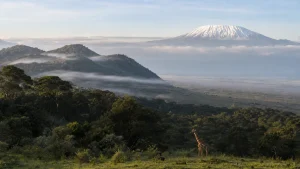
- Amboseli National Park: Famous for large elephant herds (over 1,600 individuals) set against Mount Kilimanjaro’s backdrop. The park’s swamps create year-round wildlife concentrations.
- Lake Nakuru and Lake Naivasha: Premier birdwatching destinations with over 450 recorded species. Lake Nakuru historically hosted millions of flamingos, though numbers fluctuate.
- Samburu National Reserve: Unique “Samburu Special Five” — Grevy’s zebra, reticulated giraffe, Beisa oryx, Somali ostrich, and gerenuk — found nowhere else in Kenya’s southern safari circuit.
Tanzania Wildlife Highlights
- Serengeti National Park: Hosts Africa’s largest lion population (approximately 3,000 individuals) and supports all Big Five species. The park’s diverse ecosystems — from endless plains to riverine forests — create varied wildlife experiences within a single destination.
- Ngorongoro Crater: The world’s largest intact volcanic caldera contains the planet’s densest concentration of large mammals. The crater floor hosts approximately 25,000 animals, including the rare black rhinoceros, within just 260 square kilometers.
- Tarangire National Park: Features East Africa’s largest elephant population and the highest density of wildlife outside the Serengeti ecosystem during dry season months. Ancient baobab trees create distinctive landscapes.
- Selous Game Reserve (Nyerere National Park): Africa’s largest protected wildlife area supports significant populations of endangered African wild dogs, along with hippos and crocodiles in exceptional numbers.
Comparative Wildlife Statistics
| Species | Kenya Strongholds | Tanzania Strongholds |
|---|---|---|
| Lions | ~2,500 nationally | ~8,000 nationally (highest in Africa) |
| Elephants | ~36,000 nationally | ~60,000 nationally |
| Black Rhinos | ~750 (growing population) | ~170 (primarily in Ngorongoro) |
| Leopards | Highly visible in Maasai Mara | Excellent sightings in Serengeti kopjes |
| Cheetahs | ~1,200 nationally | ~1,000 nationally (Serengeti plains) |
Kenya generally provides easier wildlife spotting due to more open terrain and habituated animals accustomed to vehicles. Tanzania’s parks, particularly the Serengeti’s remote sectors, offer more authentic wilderness encounters where animals display natural wariness, creating a more adventurous atmosphere.
Safari Costs and Budget Considerations
Safari costs represent a significant investment, and understanding price differences between Kenya and Tanzania helps in realistic budgeting. Tanzania typically commands higher prices across most safari categories, though both countries offer options spanning budget to ultra-luxury segments.
Park Fee Comparisons
Daily park entrance fees constitute a substantial portion of safari costs:
| Park/Reserve | Adult Fee (USD) | Country |
|---|---|---|
| Serengeti National Park | $70 per day | Tanzania |
| Ngorongoro Crater | $70 per day | Tanzania |
| Maasai Mara National Reserve | $80-100 per day | Kenya |
| Amboseli National Park | $60 per day | Kenya |
| Tarangire National Park | $50 per day | Tanzania |
Overall Safari Package Costs
Budget Safaris (camping/basic lodges):
- Kenya: $200-350 per person per day
- Tanzania: $250-400 per person per day
Mid-Range Safaris (comfortable lodges/tented camps):
- Kenya: $350-600 per person per day
- Tanzania: $400-700 per person per day
Luxury Safaris (high-end lodges/exclusive camps):
- Kenya: $600-1,200 per person per day
- Tanzania: $700-1,500+ per person per day
For a detailed breakdown of what these costs include, see our comprehensive guide on how much an African safari actually costs.
Factors Influencing Price Differences
Distance and logistics: Tanzania’s northern circuit parks are more dispersed. Flying between parks adds $200-500 per flight, while road transfers can consume entire days. Kenya’s compact park system reduces internal travel costs.
Accommodation scarcity: Tanzania maintains stricter limits on lodge construction within parks, creating limited supply that drives up prices, especially during peak season.
Vehicle regulations: Tanzania mandates specially modified safari vehicles meeting specific standards, increasing operator costs. Kenya’s less stringent vehicle requirements allow more price competition.
Group size economics: Both countries offer per-vehicle pricing, meaning costs decrease with larger groups. However, Tanzania’s longer distances mean fuel costs impact pricing more significantly.
Budget-Friendly Strategies
Kenya offers superior budget options through camping safaris in or near parks like Maasai Mara, where public campsites charge $30-50 per person per night. Tanzania’s camping infrastructure exists but with fewer options and higher associated costs.
Shoulder season travel (April-May in Tanzania, November in Kenya) can reduce accommodation costs by 20-40% while still offering excellent wildlife viewing. Kenya’s year-round accessibility makes it more forgiving for budget-conscious travelers with inflexible travel dates.
Accommodation Options and Styles
Both countries provide accommodation spanning the full luxury spectrum, but their approaches to safari lodging reflect broader philosophical differences about wilderness experiences.
Kenya Accommodation Landscape
Kenya pioneered the luxury safari lodge concept and maintains the broadest accommodation range in Africa. The country offers approximately 400 registered safari accommodation facilities.
Budget tier ($50-150 per person per night): Public campsites, basic bandas (simple huts), and budget lodges located outside park boundaries. Facilities like Mara Explorers Camp offer comfortable accommodation with essential amenities at accessible prices.
Mid-range tier ($150-400 per person per night): Well-appointed tented camps and lodges with en-suite bathrooms, restaurant facilities, and swimming pools. Properties like Mara Serena Safari Lodge provide reliable comfort with good game viewing access. This segment is particularly well-developed in Kenya, offering excellent value.
Luxury tier ($400-1,000+ per person per night): High-end tented camps and lodges featuring gourmet dining, spa facilities, private decks, and premium locations. Establishments like Angama Mara deliver exceptional service and exclusive experiences.
Kenya’s accommodation tends toward permanent structures with electricity, WiFi, and modern conveniences — ideal for travelers prioritizing comfort alongside adventure.
Tanzania Accommodation Landscape
Tanzania emphasizes low-impact, high-value tourism through mobile camps and semi-permanent structures that minimize environmental footprint.
Budget tier ($80-200 per person per night): Public campsites and basic lodges outside parks. Options are more limited than Kenya, with fewer properties in this category.
Mid-range tier ($200-500 per person per night): Comfortable tented camps with good facilities, though this tier has fewer options than Kenya. Properties balance comfort with wilderness immersion.
Luxury tier ($500-2,000+ per person per night): Tanzania excels in this category with some of Africa’s most exclusive camps. Properties like &Beyond Serengeti Under Canvas and Singita Sabora operate with minimal environmental impact while delivering extraordinary luxury. Mobile tented camps follow the migration, relocating seasonally to optimize wildlife proximity.
Tanzania’s accommodation philosophy prioritizes authentic wilderness experiences. Many camps limit guest numbers to 12-20, use solar power, and incorporate canvas and natural materials. The result feels more adventurous and intimate, though with fewer modern conveniences than comparable Kenyan properties.
Location Considerations
Kenya allows lodges immediately adjacent to or within reserves, reducing travel time to game viewing areas. Some Maasai Mara properties sit directly on migration crossing points.
Tanzania restricts construction within parks more strictly, meaning many excellent camps are located in private concessions bordering national parks. While this adds travel time, it provides access to exclusive wildlife areas with night drives and walking safaris — activities prohibited inside national parks.
Best Time to Visit and Seasonal Differences
Seasonal variations significantly impact wildlife viewing, weather conditions, and costs in both countries. Understanding these patterns helps optimize your safari timing.
Kenya Seasonal Overview
High Season (July-October, January-February):
- Peak wildlife concentrations during migration months
- Dry weather with minimal rainfall
- Maximum visitor numbers and highest prices
- Dusty conditions but excellent visibility
- Temperatures: 10-28°C (50-82°F)
Shoulder Season (June, November-December):
- Excellent wildlife viewing with fewer tourists
- Short rains in November-December (intermittent showers)
- Reduced accommodation costs (15-25% below peak)
- Green landscapes after rains enhance photography
Low Season (March-May):
- Long rains with frequent afternoon showers
- Lowest prices (30-50% below peak season)
- Excellent birding with migratory species present
- Some roads become challenging; certain camps close
- Wildlife more dispersed but still visible
Tanzania Seasonal Overview
High Season (June-October, December-February):
- Dry season (June-October) offers easiest wildlife spotting
- Calving season (January-February) in southern Serengeti
- Peak pricing and advance booking essential
- Clear skies ideal for photography and Mount Kilimanjaro views
- Temperatures: 15-30°C (59-86°F)
Shoulder Season (November, March):
- Short rains in November (light and unpredictable)
- Migration transitioning between regions
- Moderate pricing with good availability
- Lush vegetation enhances landscape aesthetics
Low Season (April-May):
- Long rains with sustained wet weather
- Significant price reductions (40-60% below peak)
- Many remote camps close for seasonal maintenance
- Challenging road conditions in some areas
- Dramatically green landscapes with wildflowers
Year-Round Considerations
Kenya’s Maasai Mara and Amboseli provide consistent wildlife viewing throughout the year, making the country more forgiving for travelers with inflexible schedules. Resident wildlife remains abundant even outside migration periods.
Tanzania’s Serengeti also offers year-round safari opportunities, but experiences greater seasonal variation in wildlife distribution. The northern Serengeti sits empty during January-May, while the southern plains lack animals during July-November. Ngorongoro Crater provides reliable year-round viewing due to its enclosed ecosystem.
For comprehensive guidance on choosing between these destinations, explore our detailed comparison on how to choose between Tanzania and Kenya for your first African safari.
Customization and Flexibility for Diverse Traveler Profiles
Both countries accommodate diverse safari preferences, but their strengths align with different traveler types and interests.
Family Safaris
Kenya excels for family safaris, particularly with younger children. Many lodges accept children of all ages and provide family suites, dedicated children’s programs, and child-friendly activities like cultural village visits. The Maasai Mara’s shorter game drives suit limited attention spans, while properties near parks minimize travel fatigue.
Tanzania’s camps often enforce minimum age restrictions (typically 6-12 years) due to remote locations and open camp designs where wildlife moves freely. However, Tanzania offers superior family experiences for teenagers and older children seeking authentic wilderness adventure. Private safari vehicles and flexible scheduling allow families to control their pace.
Honeymoon and Romance
Tanzania’s remote luxury camps provide unparalleled intimacy and exclusivity ideal for honeymoons. Private plunge pools, bush dinners, and secluded locations create romantic atmospheres. Mobile camps offer unique experiences unavailable elsewhere.
Kenya’s luxury lodges also cater excellently to couples, with special honeymoon packages, private dining options, and scenic locations like Amboseli with Kilimanjaro backdrops. The country’s developed infrastructure makes combining safari with beach extensions to the Kenyan coast particularly seamless.
Photography Safaris
Both countries offer exceptional photography opportunities, with differences in approach. Tanzania’s Serengeti provides vast landscapes and dramatic skies ideal for wide-angle wildlife photography. Lower vehicle densities mean cleaner compositions without safari vehicles cluttering backgrounds.
Kenya’s Maasai Mara offers concentrated wildlife action, particularly during river crossings, enabling dramatic predator-prey interactions. More habituated animals allow closer approaches. Kenya’s established photography hide networks at waterholes provide controlled shooting conditions.
Adventure and Active Experiences
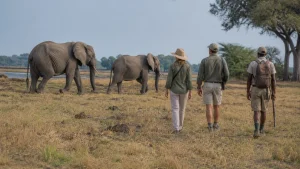
Tanzania permits walking safaris in many areas, including multi-day wilderness walks in the Selous. Hot air balloon safaris over the Serengeti provide breathtaking aerial perspectives. Mount Kilimanjaro and Mount Meru climbing combine naturally with safari itineraries.
Kenya offers similar balloon safaris over the Maasai Mara, plus unique activities like camel safaris in Samburu, horseback riding safaris, and mountain biking in conservancies. Both countries provide rich cultural experiences with Maasai communities, though interactions vary from authentic village visits to more commercialized performances.
Solo Travelers
Solo safari travelers face single supplements (additional charges for private accommodation) in both countries, typically 50-100% of the per-person rate. Kenya offers more group joining opportunities and scheduled departure safaris that avoid supplements entirely. Tanzania’s luxury camps rarely offer shared accommodations, making solo travel proportionally more expensive.
Accessibility Considerations
Kenya provides better accessibility for travelers with mobility limitations. More lodges offer ground-floor rooms, and the compact park system reduces arduous travel. Tanzania’s fly-in safaris can accommodate mobility challenges better than road safaris, but fewer properties maintain full accessibility standards.
Making Your Decision: Tanzania vs Kenya
Your choice between Tanzania and Kenya ultimately depends on what you value most in a safari experience. Kenya offers accessibility, convenience, and excellent value particularly in the mid-range category — ideal for first-time safari-goers, families with young children, and travelers with limited time. The country’s year-round wildlife viewing and developed infrastructure minimize variables and maximize reliability.
Tanzania provides remoteness, exclusivity, and pristine wilderness that appeals to travelers seeking authentic African adventure. The country suits those prioritizing solitude, willing to invest in premium experiences, and planning longer safaris that justify the greater distances involved.
Consider Kenya if you prioritize: ease of access, budget flexibility, shorter trip durations (4-6 days), family-friendly infrastructure, or guaranteed wildlife viewing regardless of season.
Consider Tanzania if you prioritize: exclusive experiences, remote wilderness, dramatic landscapes, lower tourist densities, or the Serengeti’s vast ecosystem with flexibility to explore multiple regions.
Many experienced safari travelers ultimately visit both countries, recognizing that they offer complementary rather than competing experiences. A first safari to Kenya’s Maasai Mara can lay the groundwork for a subsequent Tanzania adventure, or vice versa. Both countries deliver on the fundamental safari promise: transformative encounters with Africa’s magnificent wildlife in landscapes that humble and inspire in equal measure.
Whichever destination you choose, proper planning maximizes your investment and experience. Explore our curated safari packages to find the perfect adventure tailored to your interests and budget. Contact Only One Safaris for personalized assistance in planning your unforgettable African safari that matches your specific preferences, timeline, and aspirations.
Frequently Asked Questions
What are the main differences between a safari in Tanzania and Kenya?
Kenya offers more accessible parks with developed infrastructure and a wider range of mid-range accommodation, making it suitable for year-round wildlife viewing and shorter trips. Tanzania, by contrast, provides more remote, less-crowded wilderness experiences, emphasizing exclusivity and pristine landscapes. While both offer incredible wildlife, their safari philosophies differ, with Kenya focusing on accessibility and Tanzania on preservation.
When can I see the Great Wildebeest Migration in Tanzania compared to Kenya?
The Great Wildebeest Migration can be viewed in Tanzania primarily from December to June, with the calving season occurring in the southern Serengeti in February and Grumeti River crossings around May-June. In Kenya, the herds typically enter the Maasai Mara from July to October, with dramatic Mara River crossings often peaking between August and September. Planning your safari around these specific timelines is crucial for witnessing this spectacular event.
How do the costs of a safari in Tanzania compare to one in Kenya?
Tanzania safaris generally cost 15-30% more than those in Kenya. This difference is primarily due to higher park fees in Tanzania and the longer internal distances often covered between its reserves. Kenya, offering more mid-range accommodation and a well-established infrastructure, tends to be a more budget-friendly option.
Which country is better for first-time safari-goers or those looking for convenience?
Kenya excels for first-time safari-goers and those prioritizing convenience, especially for shorter trips. It boasts a well-established tourism infrastructure, including excellent road networks connecting major parks and more abundant mid-range accommodation options. This makes Kenya a straightforward and accessible choice for an inaugural safari adventure.
What types of accommodation can I expect in Kenya and Tanzania?
Both Tanzania and Kenya offer a wide range of accommodation options, from budget-friendly camping to ultra-luxury lodges. However, Kenya tends to provide a greater number of mid-range accommodation choices, catering to a broader spectrum of budgets. Tanzania’s focus on exclusivity sometimes translates to fewer, but often more high-end, options in its remote wilderness areas.
How do park crowd levels and infrastructure differ between Tanzania and Kenya?
Kenya’s parks feature developed infrastructure and more accessible networks, which can lead to significant tourist numbers, particularly in popular areas like the Maasai Mara. Conversely, Tanzania emphasizes exclusivity and preservation, implementing stricter regulations to limit vehicle numbers and maintain lower visitor densities in its vast parks. This results in more remote and less-crowded wilderness experiences in Tanzania.