African safari pricing is one of the most searched and least clearly answered questions in travel. The honest answer is that costs range from around $125 per person per night at the budget end to $3,000 or more per person per night at ultra-luxury, with a typical 7-night trip costing anywhere from $5,000 to well over $20,000 per person depending on where you go, how you travel, and when you go. This guide breaks down every pricing variable with real figures so you can make an informed decision before requesting a quote or booking your trip.
Key Takeaways
- African safari costs range from approximately $125 to $3,000+ per person per night depending on destination, accommodation tier, and season.
- A 7-night safari typically costs $5,000–$8,000 per person at the value end, $6,000–$14,000 at mid-range, and $16,000+ at peak luxury.
- Country choice is one of the biggest cost drivers — Botswana and Rwanda sit at the premium end; South Africa and Tanzania offer the widest range.
- Higher price does not automatically mean better wildlife — it primarily buys exclusivity, privacy, guiding quality, and comfort.
- Travelling in low or shoulder season can reduce costs by 30–60% compared with peak rates without significantly reducing wildlife quality in most destinations.
Quick Answer: How Much Does an African Safari Cost?
The phrase “African safari” covers an enormous range of products — from basic camping trips in shared vehicles through public parks to exclusive fly-in experiences on private concessions with a dedicated guide and vehicle. Treating these as a single category is the primary reason so many price estimates online are misleading.
As a working benchmark, here is how a 6-night/7-day trip breaks down across the main tiers:
| Safari Level | Typical Per Person Per Night | 7-Day Estimate (Per Person) |
|---|---|---|
| Value / Budget | $125 – $400 | From ~$5,000 (low season) |
| Mid-Range | $400 – $900 | $6,000 – $14,000 |
| Luxury | $900 – $1,800 | From ~$9,000 (low season) to $16,000+ |
| Ultra-Luxury | $1,800 – $3,500+ | $20,000+ |
These figures cover accommodation, meals, game drives, and park fees where typically bundled. International flights are not included. Final cost depends on country, accommodation standard, transport type (road vs. fly-in), season, and whether the safari is private or shared. For a deeper dive into how these components stack up, see our detailed African safari budget breakdown guide.
What You Are Actually Paying For on Safari
Understanding the line items behind safari pricing helps you compare quotes accurately and identify where your money is genuinely making a difference.
Core Pricing Components
- Accommodation: The largest single cost driver. Options range from public campsites to exclusive private villas. The type and quality of where you sleep determines your nightly rate more than anything else.
- Park fees and conservation fees: Compulsory government fees for entering national parks and reserves. These vary significantly by country — some destinations charge $70–$100 per person per day, others over $150. They are not always included in advertised prices.
- Game drives and guiding: Vehicle access, fuel, and guide wages. Private vehicles and experienced, naturalist-level guides cost more. Shared vehicles reduce per-person cost but reduce flexibility.
- Meals and drinks: Most mid-range and luxury safari packages are fully catered. Budget operations may offer self-catering or basic meal plans. Premium drinks (premium spirits, champagne) are frequently excluded even at luxury lodges.
- Airport transfers and ground transport: Road transfers between lodges can add significant driving time; fly-in connections are faster but add $300–$800+ per person per leg in charter costs.
- Domestic or internal flights: Almost always quoted and paid separately unless specified. In Tanzania, for example, internal flights between Arusha and the Serengeti typically cost $250–$500 per person one way.
How Accommodation Type Changes the Cost
- Public campsites: $15–$60 per person per night. Basic or no facilities. Bring your own equipment or hire locally.
- Budget lodges: $100–$250 per person per night. Simple but clean rooms, basic meals, shared vehicles.
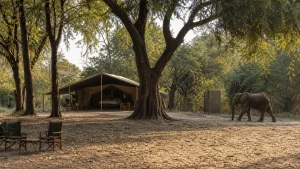
- Tented camps (mid-range): $250–$600 per person per night. En-suite tents, good food, guided game drives included.
- Permanent luxury camps: $600–$1,500 per person per night. High-quality interiors, premium service, better locations, often in private concessions.
- Ultra-luxury lodges and villas: $1,500–$3,500+ per person per night. Exclusive use, private pools, dedicated guides, bespoke itineraries.
Road Safari vs. Fly-In Safari
Road safaris are more affordable and allow more time in the landscape. Fly-in safaris cut travel time dramatically, access more remote areas, and typically deliver a more seamless, premium experience — but add meaningfully to the total cost. A road-based Tanzania itinerary might cost $4,000–$7,000 per person; the same itinerary done entirely by light aircraft can reach $10,000–$18,000.
Private vs. Shared Safari
Shared group departures spread vehicle and guide costs across multiple travelers, reducing the per-person rate significantly. Private safaris — where a vehicle, guide, and itinerary are allocated exclusively to your party — offer superior flexibility and a more personal experience but at a higher total cost. For a full comparison of both models, read our guide on private vs. group safari value and experience.
What Is Usually Included vs. Excluded
Usually Included (mid-range and above):
- Accommodation
- All meals (breakfast, lunch, dinner)
- Game drives (morning and afternoon/evening)
- Park and conservation fees
- Local guide and safari vehicle
- Non-premium drinks (water, soft drinks, local beer/wine at many camps)
- Laundry at permanent camps
Usually Excluded:
- International flights
- Internal/charter flights
- Travel insurance
- Visa fees
- Gratuities and tipping
- Premium spirits and champagne
- Specialist activities (gorilla trekking permits, balloon safaris, cultural visits)
- Personal items and souvenirs
African Safari Cost by Country: Where Your Money Goes Furthest
Destination choice has a greater impact on overall trip cost than almost any other decision. Here is a realistic country-by-country comparison.
| Country | Budget (per person/night) | Mid-Range (per person/night) | Luxury (per person/night) | Best For | Main Cost Driver |
|---|---|---|---|---|---|
| Tanzania | $200–$350 | $400–$800 | $900–$1,800+ | Wildlife variety, Great Migration | Park fees, internal flights |
| Kenya | $200–$350 | $400–$900 | $900–$2,000+ | Maasai Mara, conservancy access | Conservancy fees, peak season premiums |
| South Africa | $150–$300 | $350–$700 | $700–$1,500+ | Value, accessibility, Big Five | Private reserve concession fees |
| Botswana | $700–$900 | $900–$1,500 | $1,500–$3,500+ | Exclusivity, wilderness, low-volume tourism | Government high-value/low-volume policy |
| Rwanda | $800–$1,000 | $1,000–$1,800 | $1,800–$3,000+ | Gorilla trekking, conservation | $1,500 gorilla permit per person |
| Uganda | $400–$600 | $600–$1,200 | $1,200–$2,500+ | Gorilla trekking value, primates | $700 gorilla permit per person |
| Namibia | $150–$300 | $300–$700 | $700–$1,500+ | Self-drive, landscapes, desert wildlife | Vehicle hire and fuel for self-drive |
| Zambia | $300–$500 | $500–$1,000 | $1,000–$2,500+ | Walking safaris, authentic bush experience | Remote camp access and guiding standards |
| Zimbabwe | $250–$400 | $400–$900 | $900–$2,000+ | Classic safari areas, often good value | Hwange and Mana Pools access |
Country Highlights
Tanzania and Kenya remain the most popular first-safari destinations and offer the widest range of price points. Tanzania’s Serengeti and Ngorongoro Crater command a premium but are accessible at multiple budget levels. Kenya’s private conservancies adjacent to the Maasai Mara provide exclusive game viewing at higher per-night rates than public park alternatives. If you are deciding between the two, our Tanzania vs. Kenya comparison sets out the trade-offs clearly.
South Africa is frequently the best-value option for travelers wanting genuine luxury without the Botswana price tag. Kruger National Park and its adjacent private reserves deliver world-class Big Five game viewing and some of Africa’s finest lodges at prices that often undercut East Africa equivalents.
Botswana operates a deliberate low-volume, high-value tourism model — meaning fewer visitors, higher fees, and a profoundly exclusive experience. The Okavango Delta and Chobe National Park are bucket-list destinations, but budget travelers should look elsewhere.
Rwanda vs. Uganda: Both offer gorilla trekking. Rwanda’s permit costs $1,500 per person; Uganda’s is $700. For travelers combining gorilla trekking with a broader safari, Uganda offers compelling value, particularly with Bwindi Impenetrable Forest as the centrepiece.
Best for budget: South Africa, Namibia (self-drive), Tanzania (road safari, low season)
Best for mid-range: Kenya, Tanzania, Zimbabwe, Zambia
Best for high-end exclusivity: Botswana, Rwanda, Kenya’s private conservancies
Budget vs Mid-Range vs Luxury vs Ultra-Luxury: What Changes at Each Price Point?
| Tier | Typical Inclusions | Who It Suits | Expected Trade-Offs |
|---|---|---|---|
| Budget | Shared vehicles, basic lodge or camping, public parks, set itineraries, limited flexibility | Young travelers, backpackers, first-time Africa visitors on a tight budget | Larger groups in vehicle, less flexible timing, basic food and facilities |
| Mid-Range | Comfortable tented camps or lodges, good guiding, full board, semi-flexible itineraries | First-time safari travelers, couples, families wanting comfort without premium pricing | May share game drive vehicle; access limited to public parks in most cases |
| Luxury | Premium camps, top-tier guiding, private or semi-private vehicles, excellent food, charter flights, private conservancy access | Repeat visitors, special occasions, travelers prioritizing service and environment | Significantly higher nightly rate; some locations remote with limited connectivity |
| Ultra-Luxury | Exclusive-use camps or villas, dedicated guide and vehicle, bespoke itineraries, private concessions, exceptional personalization | High-net-worth travelers, honeymoons, multi-generational family groups, repeat Africa visitors | Very high cost; requires advance planning and booking; some locations extremely remote |
The Myth of “More Expensive = Better Wildlife”
Myth: Paying more guarantees better wildlife sightings.
Reality: Wildlife sightings depend primarily on destination, season, and luck — not price tier. What higher spend genuinely buys is exclusivity (fewer people at sightings), access to private concessions where off-road driving is permitted, more experienced and knowledgeable guides, the flexibility to stay longer at sightings, and significantly higher comfort between drives. A mid-range safari in the right place at the right time will deliver spectacular game viewing. An ultra-luxury safari in the wrong destination or wrong month will not compensate with price.
The Biggest Factors That Influence Your Final Safari Cost
Seasonality
Season is one of the most powerful levers on safari pricing. Most destinations operate across three pricing periods:
- Peak season: Highest demand, highest prices. In East Africa this typically aligns with July–October (Great Migration peak and dry season). Rates at premium lodges can increase by 40–80% compared to low season.
- Shoulder season: Good value and reliable conditions. Often the optimal choice for price-conscious travelers who still want quality wildlife experiences.
- Low/Green season: Lowest prices — sometimes 30–60% below peak rates at the same properties. Trade-offs include wetter weather, some seasonal road closures, and the fact that certain migratory wildlife may be absent. However, green season delivers lush landscapes, excellent birdwatching, newborn animals, and significantly fewer tourists. Many experienced safari travelers consider it the best-value window of the year.
Trip Duration
Longer trips unlock better value per day, particularly when fixed costs like international flights are spread across more nights. A 7-night safari typically offers a better cost-per-experience ratio than a 4-night trip. For guidance on how long to plan for each destination, see our article on ideal safari trip duration by destination.
Group Size
Traveling as a couple is the most common safari configuration, but larger family or friend groups can meaningfully reduce per-person costs on private safaris by sharing vehicle and guide costs. Exclusive-use camps, which often have a fixed nightly rate rather than a per-person rate, become significantly more cost-efficient when filled by a group.
Booking Lead Time
Peak season safari inventory — particularly at smaller, high-demand camps — regularly sells out 12–18 months in advance. Early booking secures availability and, at some properties, early-bird pricing. Last-minute deals exist but are not reliable for preferred dates or properties.
Add-On Experiences
Specialist activities add meaningfully to the base cost. Examples include:
- Hot air balloon safari over the Serengeti or Maasai Mara: $500–$700 per person
- Gorilla trekking permit (Rwanda): $1,500 per person
- Gorilla trekking permit (Uganda): $700 per person
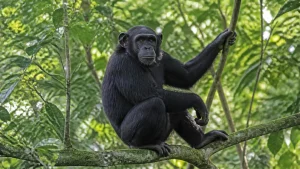
- Chimpanzee trekking permit: $150–$200 per person
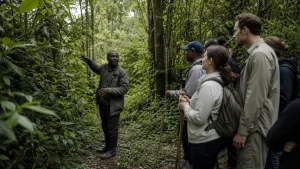
- Guided walking safaris (specialist operators): variable, often $100–$300 per person per walk
Departure Point and International Routing
International flights are not included in safari quotes but represent a significant portion of total trip cost — typically $1,200–$2,500 per person return from Europe or North America depending on origin, routing, and season. Travelers flying into multiple countries (for example, Tanzania plus Rwanda) will pay more for international routing than those staying within a single destination.
How to Use This Information to Plan Your Safari Budget
The most reliable approach to safari budgeting is to work backwards from your total trip budget per person, subtract international flights and travel insurance, and then apply the remainder to in-country costs using the per-night figures above. A realistic 7-night Tanzania safari including flights from Europe sits at approximately $8,000–$14,000 per person at mid-range, and $18,000–$25,000 per person at luxury.
If you are comparing destinations for your first safari, the Tanzania vs. Kenya question is the most common decision point — our guide on how to choose between Tanzania and Kenya covers this in full.
The key principle: understand what you are paying for at each price point, match your expectations to the tier you can afford, and choose destination and season strategically. A well-planned mid-range safari in the right location will outperform a poorly timed luxury trip every time.
Frequently Asked Questions
How much does an African safari typically cost?
An African safari’s cost varies widely, ranging from around $125 per person per night at the budget end to over $3,000 for ultra-luxury experiences. A typical 7-night trip can cost anywhere from $5,000 to well over $20,000 per person. The mid-range for a 7-day trip generally falls between $6,000 and $14,000 per person.
What’s usually included in the price of an African safari?
Most safari prices generally cover accommodation, meals, game drives, and park fees where typically bundled. However, core pricing components like park and conservation fees can vary significantly by country and are not always included in advertised prices. Essential costs like international flights and often domestic or internal flights are almost always quoted separately.
Which factors have the biggest impact on safari costs?
The biggest factors influencing safari costs include the chosen country, the standard of accommodation, the type of transport (road vs. fly-in), and the travel season. Accommodation is the largest single cost driver, ranging from public campsites to exclusive private villas. Opting for private vehicles and naturalist-level guides also increases the price compared to shared options.
Do all countries cost the same for an African safari?
No, safari costs vary significantly by country. Botswana and Rwanda are typically at the premium end of the pricing spectrum for safaris. In contrast, destinations like South Africa and Tanzania offer a wider range of price points, accommodating various budgets. Country choice is identified as one of the biggest cost drivers.
Does a higher safari price guarantee better wildlife sightings?
Not necessarily. While a higher price might offer more comfort, exclusivity, privacy, and superior guiding quality, it does not automatically guarantee better wildlife sightings. The quality of wildlife viewing is primarily influenced by the destination, the time of year, and the natural movements of animals. More expensive options often provide a more tailored and less crowded experience.
Can I save money on a safari by choosing a specific time of year?
Yes, traveling during the low or shoulder season can significantly reduce safari costs. You might save between 30% to 60% compared to peak season rates. This often doesn’t significantly reduce wildlife viewing quality in most destinations, offering a great value proposition.
What are the main differences between budget and luxury safari accommodation?
Budget accommodation, such as public campsites ($15-$60 pppn) or basic lodges ($100-$250 pppn), offers simple facilities, shared vehicles, and sometimes self-catering options. Mid-range to luxury options ($250-$1,500+ pppn) feature en-suite tents or high-quality permanent camps, good food, guided game drives, and increasing levels of exclusivity and personalized service. Ultra-luxury experiences ($1,800-$3,500+ pppn) often include private villas, dedicated guides, and bespoke services.