TL;DR – The Bushcamp Company operates six small, remote camps in South Luangwa National Park with no mains electricity, bucket showers under the trees, and a maximum of 12 guests per camp. The guides are among the best in Africa. The walking safaris between camps are the best way to experience the Luangwa Valley. This is what safari looks like when you strip it back to what matters.
- Six camps, maximum 12 guests each, no mains electricity – the intimacy is structural not incidental
- The guiding standard is the defining feature – senior guides with 15-25 years on the same ground
- The multi-day walking trail between camps is one of the original and best walking safari experiences in Africa
- Three nights minimum; four to five for the full walking trail
No Electricity. No Wi-Fi. Pure Luxury.
There is a version of luxury that requires a spa, a pool, a wine cellar, and high-thread-count linen. That version exists in Africa and it’s excellent.
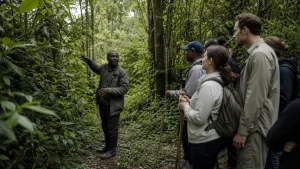
There is another version that requires none of those things. It requires a camp that holds 12 people in a valley that holds more leopards per square kilometer than almost anywhere in Africa. It requires a guide who has been walking this bush for 20 years and who stops mid-track and holds up a fist and points at a shadow in the jesse bush that turns out to be a lion 15 meters away. It requires a bucket shower heated over a fire, poured over your head under a tree canopy, while a hyena calls from across the river.
Bushcamps Zambia – specifically the camps run by The Bushcamp Company in South Luangwa – operate on the second version of luxury. Guests who understand this before they arrive leave saying it was the best safari experience of their lives. Guests who show up expecting the first version take 24 hours to recalibrate and then agree.
South Luangwa Bush Camps: The Six Camps and What They Are
South Luangwa bush camps under The Bushcamp Company umbrella are six distinct properties spread across different parts of the Luangwa ecosystem, each with a different character and a different position in the valley.
Bilimungwe – the most remote of the six, deep in a private area of the park where vehicle density is zero and walking is the primary activity. Six chalets, no electricity, lanterns at night. The leopard density in this area is extraordinary even by South Luangwa standards.
Kuyenda – the smallest camp in the collection, four chalets only, positioned in classic Luangwa riverine forest. Walking safaris from Kuyenda cover terrain that vehicle drives cannot reach.
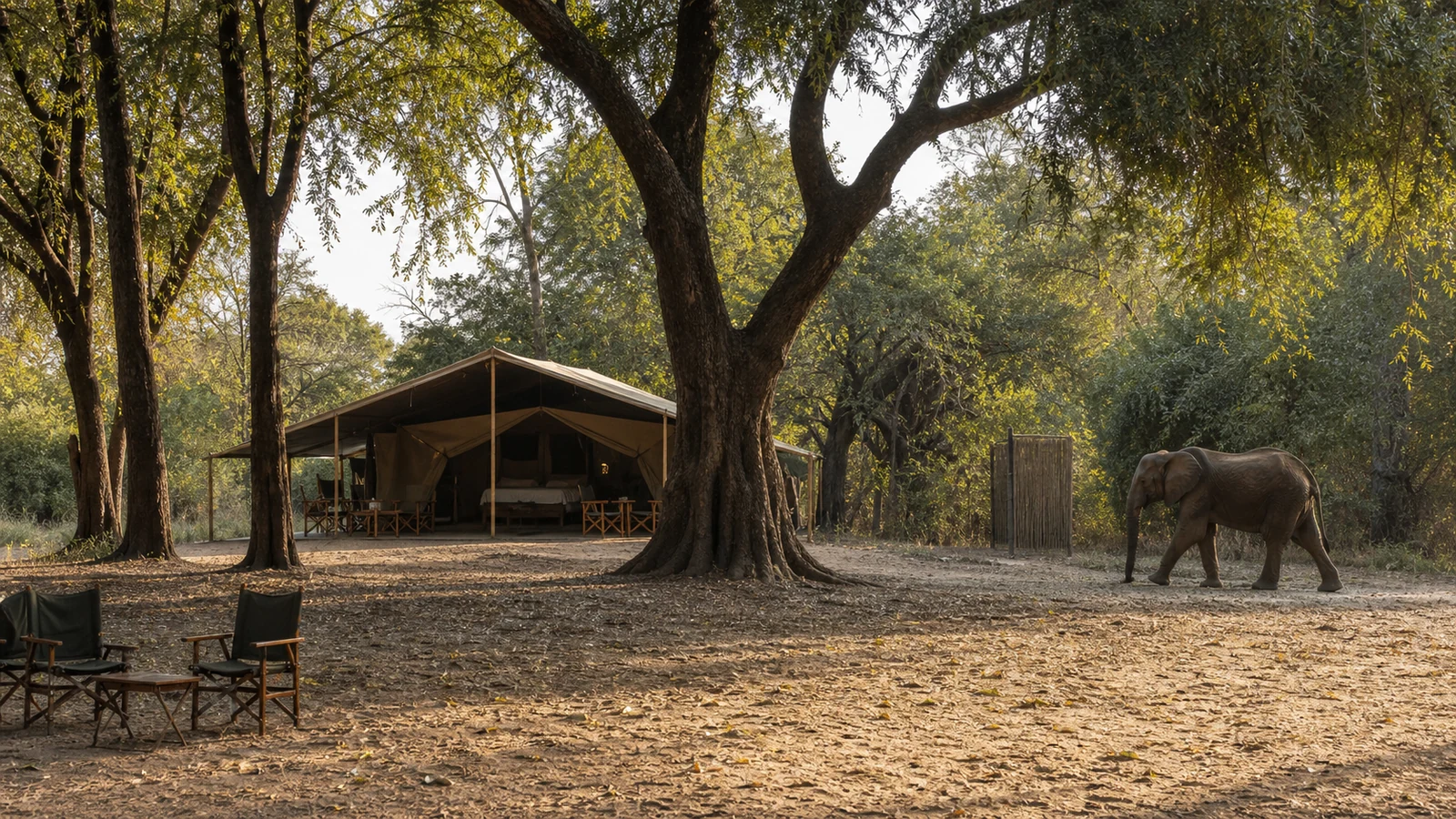
Kapamba – set on the Kapamba River with the specific magic of a camp built around water. Elephants drink from the river in front of the dining area. The night sounds here are different from the other camps – the river adds a layer.
Zungulila – the most intimate camp in the network, three chalets only and a maximum of six guests. If you want the Luangwa Valley to feel entirely private, this is the camp.
Chindeni – positioned on a lagoon with excellent game viewing directly from camp. Strong leopard sightings in the surrounding woodland and a guide team known for night drive quality.
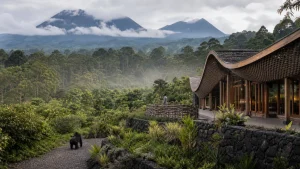
Mfuwe Lodge – the exception in the collection: larger, more comfortable, with solar electricity and a pool. It serves as the base camp and the start or end point for the walking trails. Mfuwe is where guests decompress before and after the remote camps, not where the remote experience happens.
The Bushcamp Company Review: What the Experience Actually Delivers
A Bushcamp Company review that’s useful needs to address what clients actually encounter, not just the philosophy.
The guides – this is the first thing every returning client mentions. The Bushcamp Company has invested in guide training and retention for decades, and the result is a team where the senior guides have been walking the same ground for 15-25 years. They know individual animals, specific territories, and the seasonal patterns of the Luangwa in a way that a guide who rotates between parks cannot replicate. The walking safari experience in particular depends entirely on guide quality, and The Bushcamp Company’s guides set the standard for walking in Zambia.
The food – better than the infrastructure suggests. Camp kitchens produce three-course dinners from open fires with ingredients that arrive by vehicle from Mfuwe. Dietary requirements are accommodated with advance notice. The combination of good food, candlelight, and the sounds of the bush at night is one of those combinations that doesn’t need to be engineered – it happens naturally when you’re eight people around a table in the middle of the Luangwa Valley.
The infrastructure – bucket showers are hot, reliably prepared at the time you request them. Beds are comfortable. The tents or chalets at each camp are well-maintained and properly equipped for the climate. What’s absent is what you came for: no light pollution, no generator hum, no other guests visible from your tent, no signal on your phone.
Rustic Luxury Safari: What the Term Actually Means
Rustic luxury safari is a term the industry uses loosely and The Bushcamp Company earns precisely.
Rustic means: no mains power, bucket showers, tents or open-sided chalets, paraffin lamps at night, and a camp that holds fewer than 12 people. It means the sounds you hear at night are the valley, not the generator. It means your closest neighbor at dinner is the person at the next chair, not the guest in the next lodge 200 meters away.
Luxury means: exceptional guiding, excellent food, genuine attentiveness from a small camp team who know your name and your preferences within the first hour, and access to wildlife experiences that larger camps cannot offer because larger camps cannot go where the bush camps go.
The combination produces something that guests who have stayed at $1,500-per-night Delta lodges sometimes describe as more satisfying. Not because it’s more comfortable – it isn’t – but because the ratio of genuine experience to infrastructure is different. At a bush camp, everything is in service of the bush. At a larger lodge, the bush is sometimes in service of the property.
Walking Between Camps: The Luangwa Trail
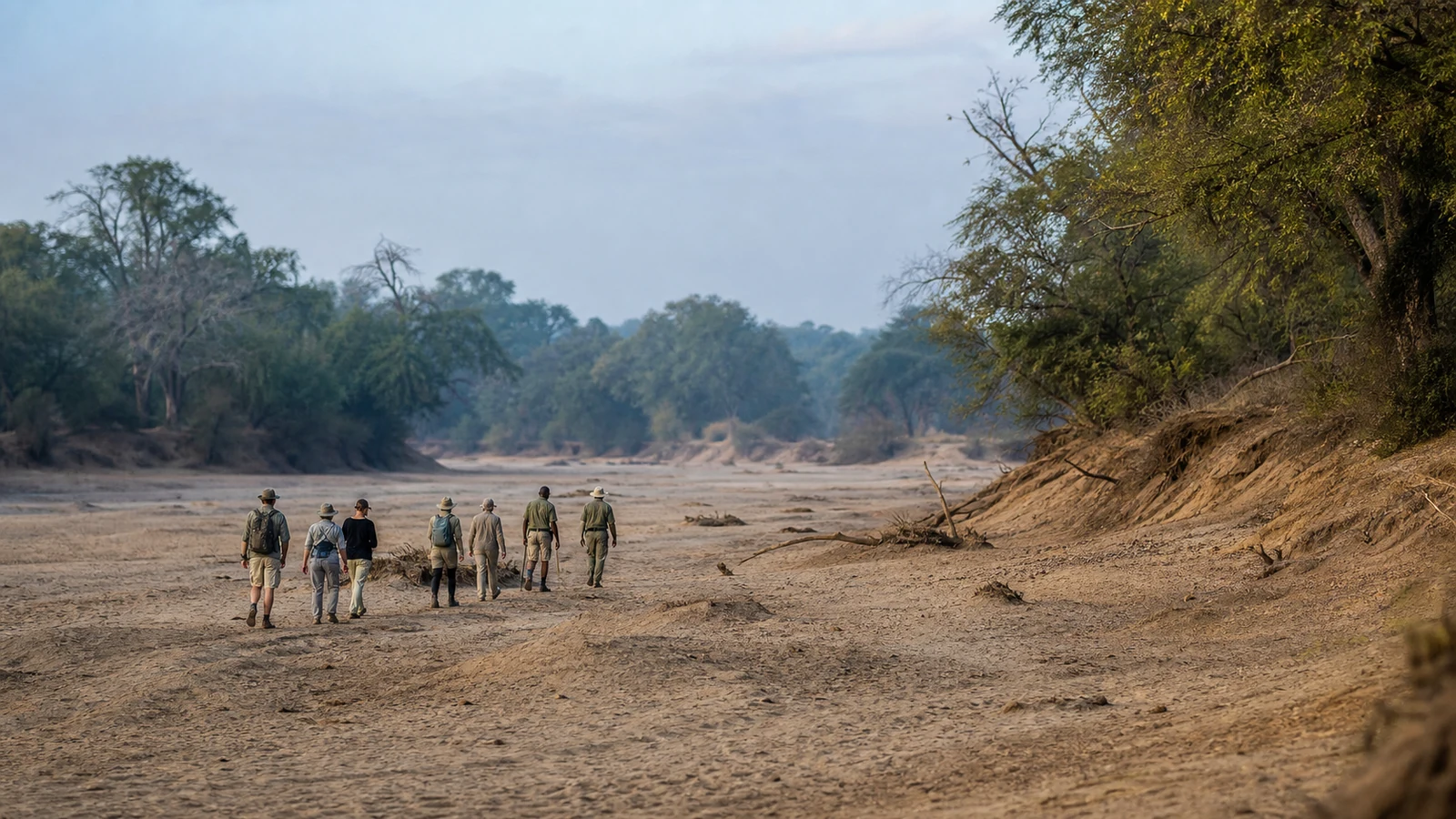
The experience that defines The Bushcamp Company is the multi-day walking trail – moving between two or three of the remote camps on foot over three to five days, with bags transferred by vehicle and the walking group covering 15-20 kilometers of valley terrain each day.
The walking trail through South Luangwa is one of the original walking safari routes in Africa – Norman Carr, who pioneered the concept of walking safaris in Zambia in the 1950s, operated in this valley. The Bushcamp Company continues that tradition with a route that connects Bilimungwe, Kuyenda, and Kapamba through terrain that only makes sense on foot.
What changes when you walk: the scale shifts. A buffalo herd that looks like a distant brown mass from a vehicle becomes individual animals with breath and smell and weight. A termite mound becomes a navigational landmark. The distance between the camp where you slept and the camp where you’ll sleep tonight is measured in footsteps rather than kilometers on a map.
The walking is not strenuous by trekking standards – the Luangwa Valley is flat – but it is long and warm. Mornings are used for the walking hours, afternoons for rest and game drives. Five days of this rhythm produces a relationship with a landscape that two nights at any lodge cannot replicate.
How Only One Safaris Sequences the Bushcamps
The Bushcamp Company camps are not for everyone. They’re for the traveler who wants the Luangwa Valley without the buffer of a large lodge between themselves and it – who wants a guide’s complete attention, a table of eight people at dinner, and the sound of hippos in the river as the only thing audible from their tent at night.
If you want a Zambia itinerary built around The Bushcamp Company – with the right camp combination, the walking trail sequenced correctly, and Mfuwe Lodge as the transition point – we’ve put this together many times.
Get in touch and let’s build it.
Frequently Asked Questions: Remote Camps: The Bushcamp Company
What are The Bushcamp Company camps like?
Six small camps spread across South Luangwa National Park, ranging from three to six tents or chalets each. No mains electricity at the remote camps – paraffin lanterns, bucket showers heated over fire, and camp teams of four to six people serving a maximum of 12 guests. The infrastructure is deliberately minimal; the guiding and wildlife access are deliberately exceptional.
Is the walking safari at The Bushcamp Company safe?
Walking safaris in the Luangwa Valley have a decades-long safety record. Armed professional guides lead every walk and the guide-to-guest ratio is high. The guides read animal behavior and manage distances conservatively – you get close to wildlife but not recklessly so. The safety record of South Luangwa walking safaris is strong precisely because the guide standard is high.
How long should I spend at The Bushcamp Company camps?
A minimum of three nights is needed to settle into the rhythm of bush camp life and experience a proper selection of activities. The full walking trail runs four to five nights across multiple camps. Guests who do fewer than three nights consistently say they wished they’d booked more.
Do I need to be fit for a South Luangwa walking safari?
A reasonable level of fitness helps for the multi-day walking trail – expect 15-20 kilometers per day on flat terrain in warm conditions. The individual walking activities from each camp are shorter and more manageable. Guests with mobility concerns should discuss the walking expectations before booking, as the vehicle game drives are equally strong and the walking component is optional for non-trail stays.