Food & Wine: The Tasting Menu Safari
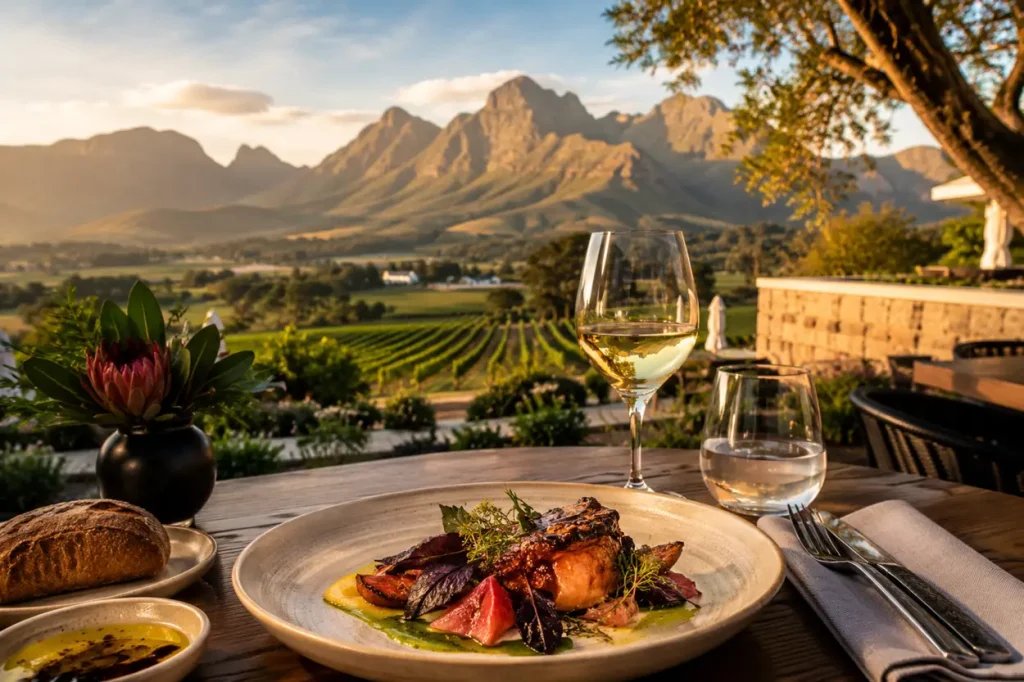
TL;DR – South Africa is one of the world’s great foodie destinations, and most travelers don’t know it yet. From Cape Town’s award-winning restaurants to long lunches in the Winelands, this is where you eat 12 courses for the price of a burger in New York – and the wine list will make your sommelier jealous.
Damaraland: Tracking Desert Elephants
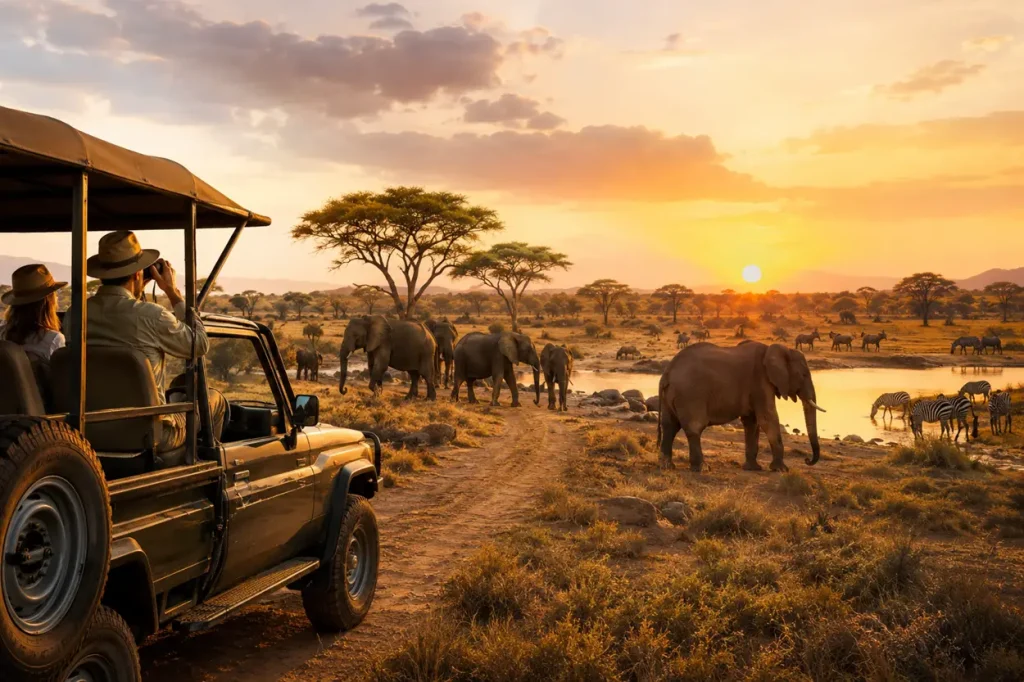
TL;DR – Damaraland’s desert adapted elephants in Namibia are not the same animal as the elephants you’ve seen in the Okavango or the Serengeti. They’re leaner, longer-legged, and capable of surviving in conditions that would kill a normal elephant. Tracking them through dry riverbeds in one of Africa’s most dramatic landscapes is one of the most unusual safari experiences on the continent.
Amboseli’s Giants: The Kilimanjaro Shot
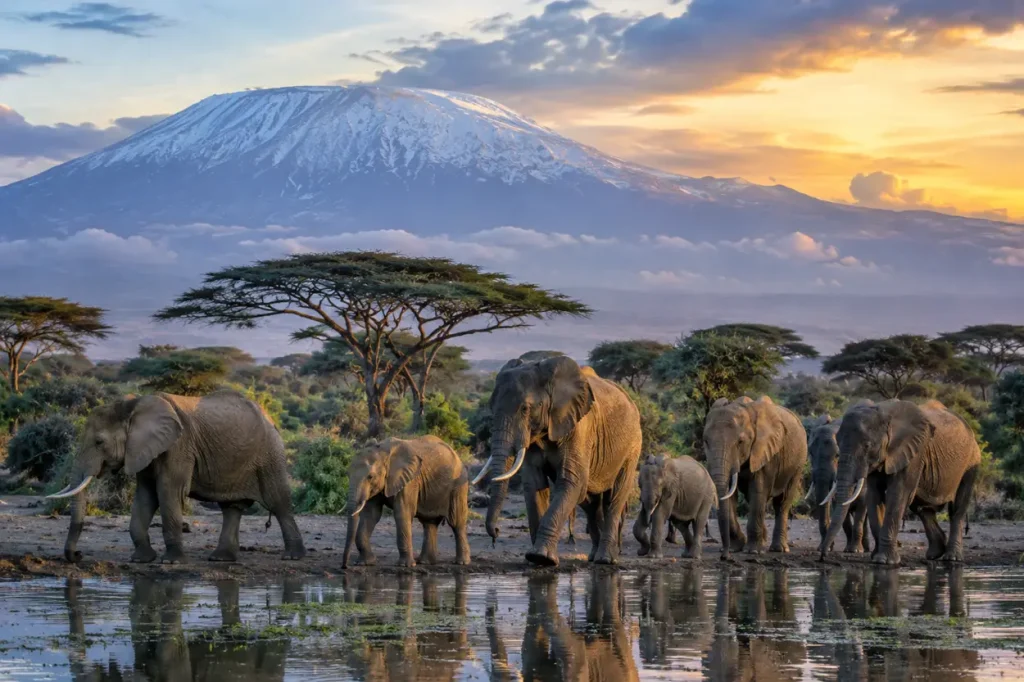
TL;DR – Amboseli National Park in southern Kenya is home to Africa’s most iconic wildlife photograph: a herd of big-tusked elephants crossing a dry lake bed with Kilimanjaro rising behind them. The image is real, the elephants are real, and with the right camp and the right morning, you’ll see exactly why this shot has defined an entire continent’s visual identity.
Birding for Non-Birders: Carmine Bee-eaters
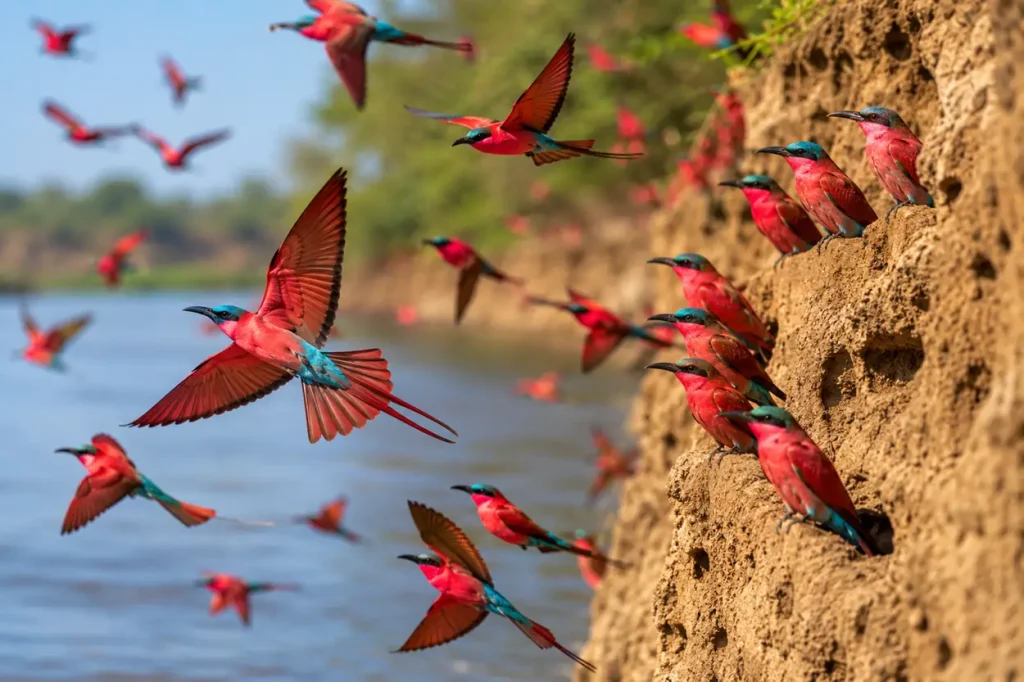
TL;DR – Every year between September and November, southern carmine bee-eaters arrive in the Okavango and the Chobe in flocks of thousands. They are crimson and turquoise and they follow elephants and game drive vehicles through the bush to catch the insects the large animals disturb. You do not need to be a birder to find this completely extraordinary.
Akagera National Park: The Big 5 Return
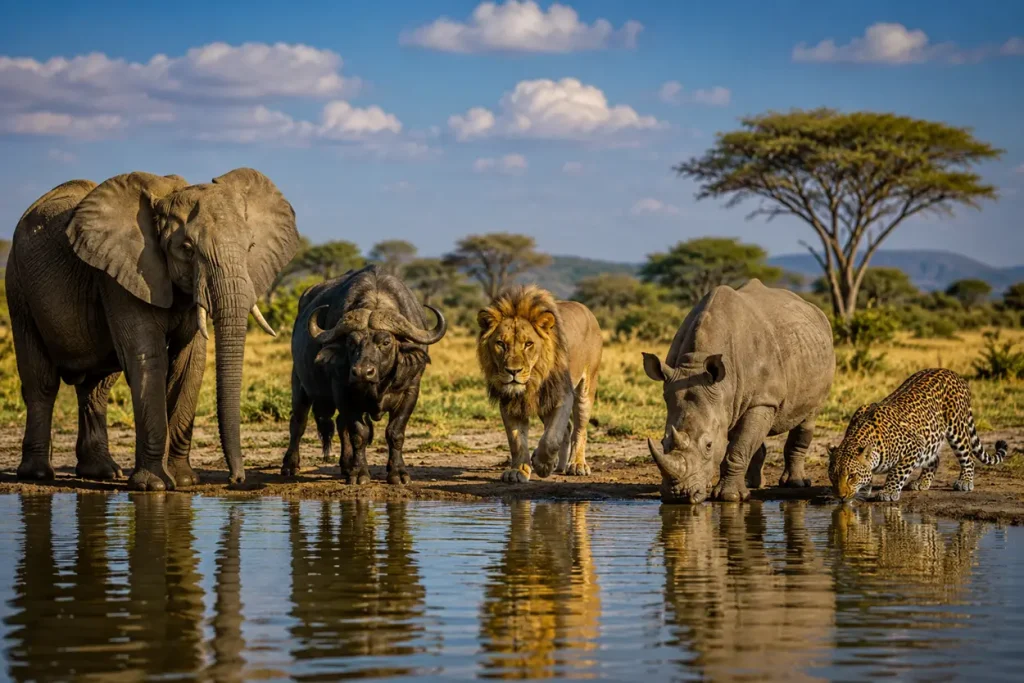
TL;DR – Most people think Rwanda means gorillas. Akagera National Park in the east of the country is proof that Rwanda is also a serious Big 5 safari destination. Lions were reintroduced in 2015. Black rhino followed in 2017. The park is now one of Africa’s most compelling conservation comeback stories – and one of its most undervisited Big 5 destinations.
Azura vs. Kisawa: Island Luxury
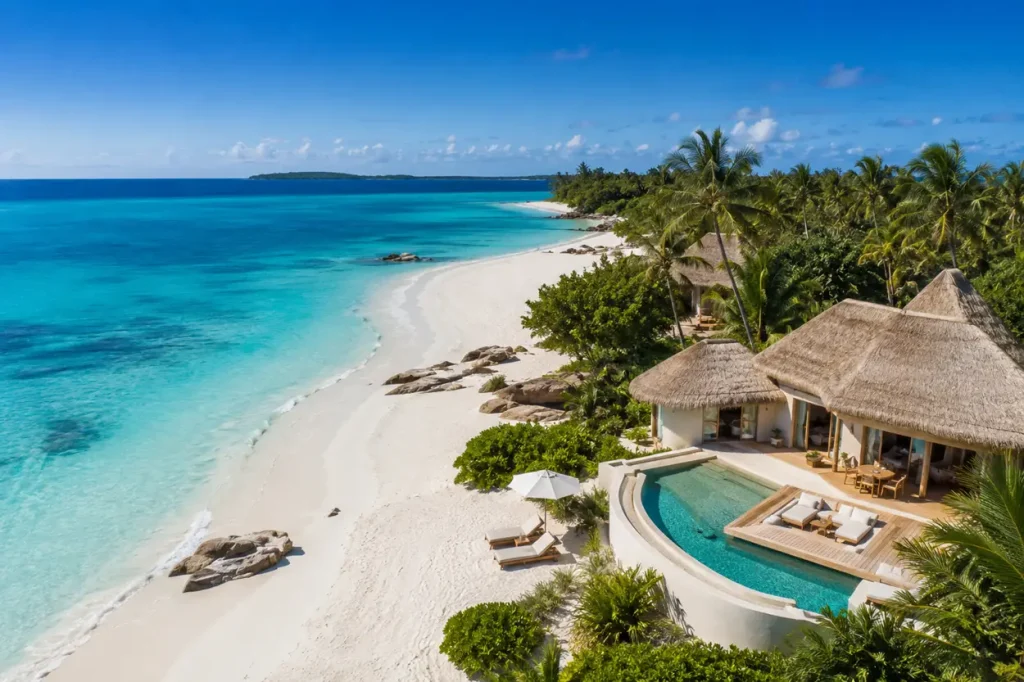
TL;DR – Mozambique has two of the most compelling luxury island resorts in Africa, sitting in the same archipelago and aimed at completely different travelers. Azura Benguerra is warm, barefoot, and deeply personal. Kisawa Sanctuary is architectural, futuristic, and jaw-dropping. Choosing between them comes down to one question: what kind of luxury do you actually want?
Etosha National Park: The Waterhole Theater
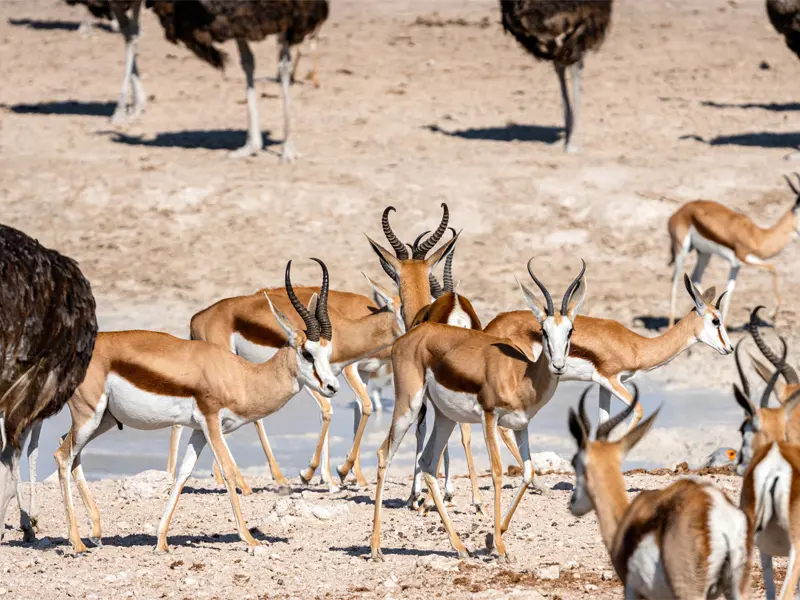
TL;DR – Etosha National Park in Namibia works differently from every other safari destination. You don’t drive to the animals. You sit at a waterhole and the animals come to you. It’s one of the most productive and meditative wildlife experiences in Africa – and one of the most underrated.
The Winelands: Franschhoek vs. Stellenbosch
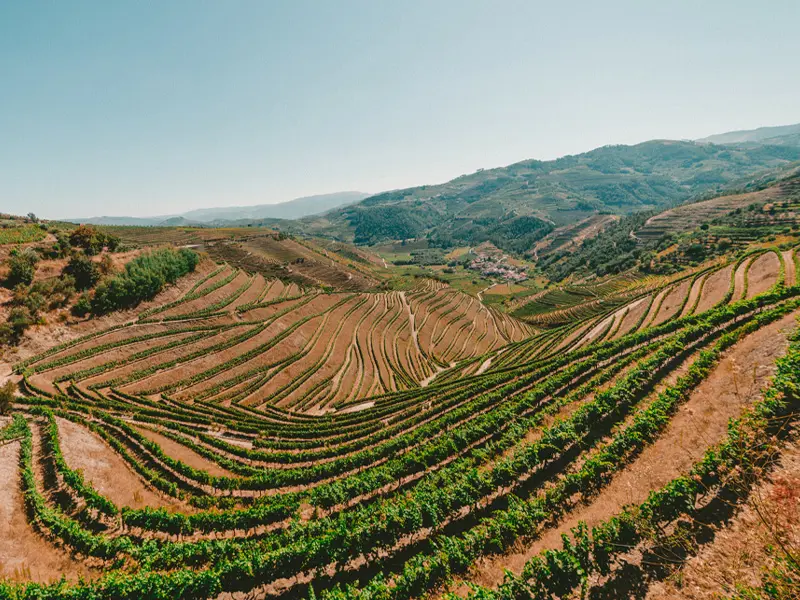
TL;DR – Franschhoek and Stellenbosch are both world-class wine destinations sitting 30 minutes from Cape Town and 20 minutes from each other. They look similar on a map but feel completely different on the ground. Here’s how to tell them apart, what each one does best, and how to fit both into a South Africa trip.
River Crossings 101: Timing is Everything
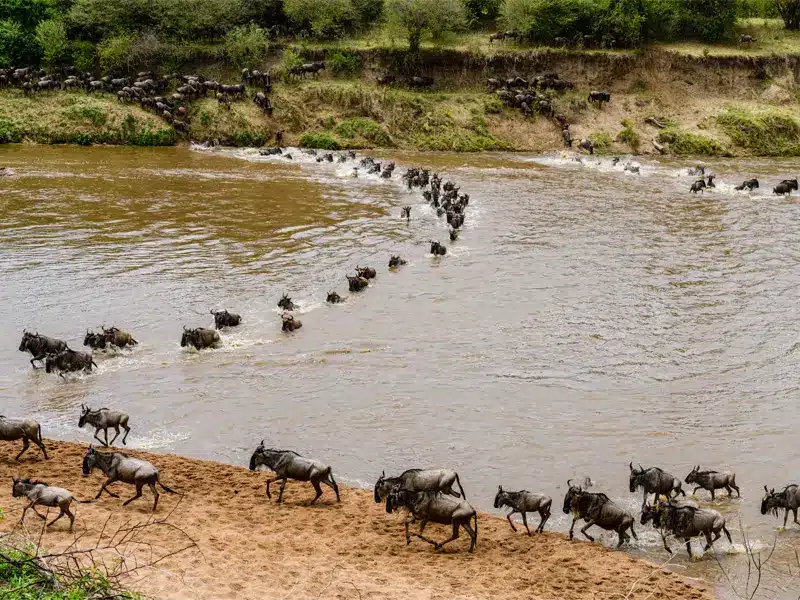
TL;DR – The Mara River crossing is one of the most dramatic wildlife events on earth. It’s also one of the most misunderstood. It doesn’t happen on a schedule, it can’t be predicted day-to-day, and most people who try to catch it on a short visit miss it entirely. Here’s how to actually be there when it happens.
Murchison Falls: The Power of the Nile
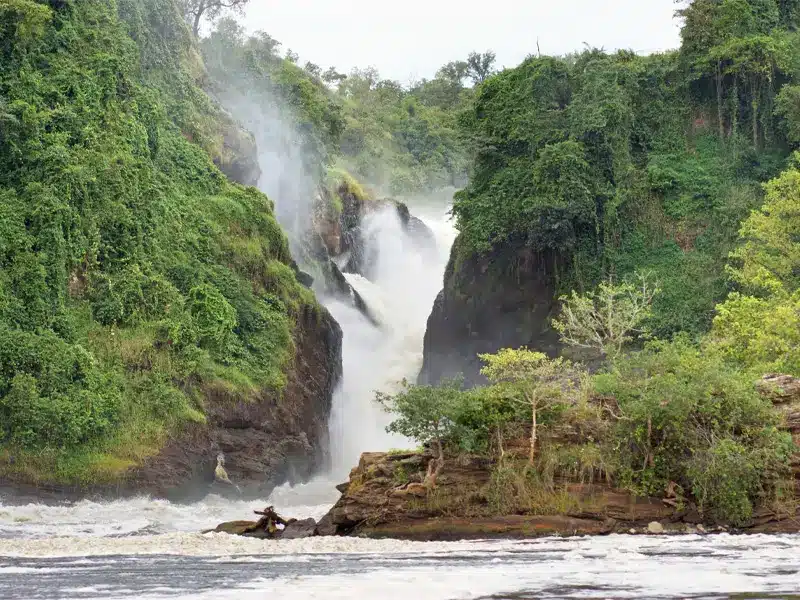
TL;DR – Murchison Falls is where the entire Nile River forces itself through a 7-meter gap in the rock and drops 43 meters into a churning pool below. The boat cruise to the base of the falls is one of Uganda’s defining experiences – and the park around it is one of East Africa’s most underrated safari destinations. Here’s what to expect.