There’s a moment on nearly every safari when your guide cuts the engine, points into the bush, and says nothing — because a leopard has just materialized from the tree line, and words would ruin it. That moment exists because of years of instinct, memory, and skill you didn’t see: the tracker who noticed a broken twig two kilometers back, the guide who knew exactly which drainage line the cats favor at dusk. Tipping is how you say thank you for that. It’s not a transaction bolted onto the end of your trip — it’s a gesture of respect for the people who turned your safari into something you’ll talk about for years. Etiquette shifts from country to country and camp to camp, so here’s exactly how to get it right, everywhere you go.
- Tipping on safari honors the skill of guides, trackers, and lodge staff — treat it as gratitude, not a fee.
- Common roles to tip include the guide, tracker, lodge staff (via a communal box), camp manager, porters, and primate trekking teams.
- Guideline amounts are typically expressed “per guest per day,” with half-day activities and private versus group setups adjusting the math.
- Tipping usually happens at the end of a stay or trip segment — via a communal box, a named envelope, or discreet cash handed over quietly.
- Local customs vary by country, so always confirm specifics with your operator before you land — our Safari Planning FAQ covers this alongside 44 other pre-trip questions.
Why Tipping Matters More Than You Think on an African Safari
Tipping on safari is a direct acknowledgment of the human expertise behind every wildlife sighting, every perfectly timed sundowner, and every warm towel handed to you after a dusty game drive. A guide reading the horizon for movement, a tracker interpreting spoor pressed into the sand hours earlier, a camp team turning a remote patch of wilderness into a home — none of that happens by accident, and none of it shows up on your itinerary. This isn’t about ticking a box before departure; it’s a heartfelt thank-you for people who shared their wonder with you. Customs shift depending on where you are and which camp you’re staying at, which is exactly why the rest of this guide breaks it down role by role and country by country.
Who Actually Gets Tipped on Safari?
A safari runs on more people than most travelers realize. Depending on whether you’re on a private or group safari, and whether you’re flying between camps or overlanding, you’ll encounter some or all of these roles:
- Guide/Ranger — Leads game drives, interprets animal behavior, ensures safety, and shapes the entire rhythm of your day in the bush.
- Tracker/Spotter — Often perched on a seat mounted to the vehicle’s hood, reading footprints, broken branches, and alarm calls to locate wildlife the guide then interprets and approaches.
- Lodge/Camp Staff — Housekeeping, waitstaff, chefs, and general camp team who handle meals, laundry, and the countless small comforts that make remote camps feel like home.
- Camp Manager — Oversees the property’s daily operations, coordinates your schedule, and is usually the person solving problems before you even notice them.
- Porter — Carries luggage at lodges and, more critically, gear and supplies on gorilla or chimp trekking days where terrain is steep and demanding.
- Driver-Guide — On road-based safaris (common in Kenya and Tanzania), this person combines driving and guiding duties across long transfer days between parks.
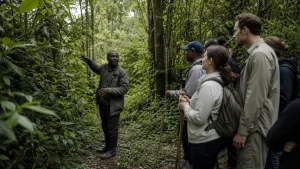
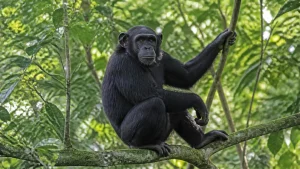
- Primate Trekking Guide/Tracker — Specialized guides and trackers who lead gorilla or chimpanzee treks through dense forest, often the most physically demanding role on any safari itinerary.
Not every property employs every one of these roles, and a private safari will look different from a shared one — the structure depends heavily on the style of trip you’ve booked, something worth discussing early when comparing a private versus group safari.
How Much to Tip Each Role: A Practical Breakdown
Most safari tipping is calculated “per guest per day,” which keeps things simple regardless of trip length. Here’s a practical guideline breakdown used widely across East and Southern Africa:
| Role | Suggested Guideline | Notes |
|---|---|---|
| Guide/Ranger | $10–20 per guest per day | Higher end for exceptional sightings or private full-day guiding; roughly half this amount for half-day activities. |
| Tracker/Spotter | $5–10 per guest per day | Tipped separately from the guide, reflecting a distinct skill set and role in the vehicle. |
| Lodge Staff Box | $5–10 per guest per day | Pooled and shared communally among housekeeping, waitstaff, and kitchen team. |
| Camp Manager | Optional, at guest discretion | Usually only tipped directly if they’ve gone well beyond standard duties. |
| Porter | $1–2 per bag, or $10–15 per trek day | Especially relevant on gorilla/chimp trekking days involving strenuous terrain. |
| Primate Trekking Team | $10–20 per guest, per trek | Plan this as a separate budget line — guides and trackers on these treks often work harder than on standard game drives. |
A useful distinction: on a private safari, your guide is dedicated entirely to your group for the full day, which typically justifies tipping at the higher end of the range. On a shared or group vehicle, the same guide is splitting their attention and energy across more guests, so the per-person amount is often adjusted downward slightly while the guide’s total daily tip pool remains fair. If you’re still weighing which format suits your travel style, our breakdown of private vs. group safari value is worth reading before you finalize your itinerary.
When and How to Tip: Cash, Boxes, and Envelopes
You don’t need to tip after every meal or every drive — in fact, doing so can feel awkward for both you and the staff. Safari tipping is almost always handled at the end of a stay or a trip segment, in one of a few straightforward ways:
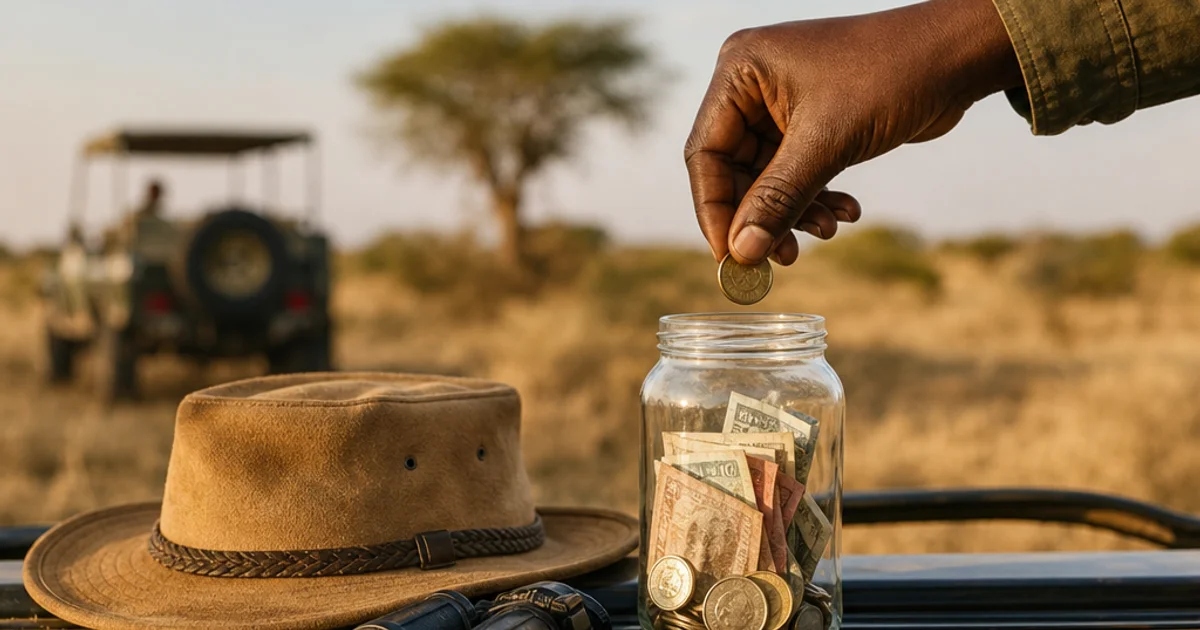
- Check the communal box. Most camps keep a labeled tipping box at reception or the dining area for lodge staff. Guests contribute at checkout, and the total is divided among the team — housekeeping, waitstaff, and kitchen staff alike.
- Tip your guide and tracker directly. These are typically handed over privately, in cash, at the end of your final game drive or the morning you depart camp.
- Use a named envelope for individual recognition. If one staff member went out of their way — a chef who remembered your dietary preference, a guide who found you your dream sighting — a labeled envelope with cash inside is a simple, discreet way to acknowledge them personally.
- Keep it quiet and simple. No speeches, no ceremony. A folded envelope handed over with a genuine “thank you,” or cash left in the box on your way to the airstrip, is exactly how it’s done.
Carrying small denominations of cash in USD is the most practical approach across most of the continent, since remote camps rarely have card facilities for gratuities. If you’re still mapping out your overall trip budget, our guide on what an African safari actually costs can help you factor tipping cash into your packing and planning alongside park fees and other on-the-ground expenses.
Does Tipping Change From Country to Country?
Tipping culture shifts as you move across the safari map, and part of the fun of planning a multi-country trip is learning how each destination does things a little differently.
- South Africa — Private lodges are common, and tipping guides and trackers separately is standard practice, often with printed guideline cards left in your room.
- Namibia — Vast distances between camps mean driver-guides play an outsized role, and their contribution is recognized accordingly.
- Tanzania — Mobile camps following the Great Migration often have smaller, tighter-knit teams, and communal staff boxes are widely used across the northern circuit.
- Rwanda and Uganda — Gorilla and chimp trekking introduces porters and specialized trekking guides as a distinct, essential tipping category on top of standard lodge staff.
Every country brings its own rhythm — the open plains and driver-guides of Namibia feel worlds apart from a misty morning trek through Rwanda’s Volcanoes National Park in search of mountain gorillas. This is part of what makes an African safari so extraordinary: no two countries, or even two camps, offer quite the same experience. If you’re still deciding where to begin, our comparisons of Tanzania vs. Kenya and guidance on choosing between the Serengeti and Maasai Mara are excellent starting points. And because local norms do shift, always ask your operator or lodge manager for country-specific guidance before you arrive — it’s a five-minute conversation that removes all the guesswork.
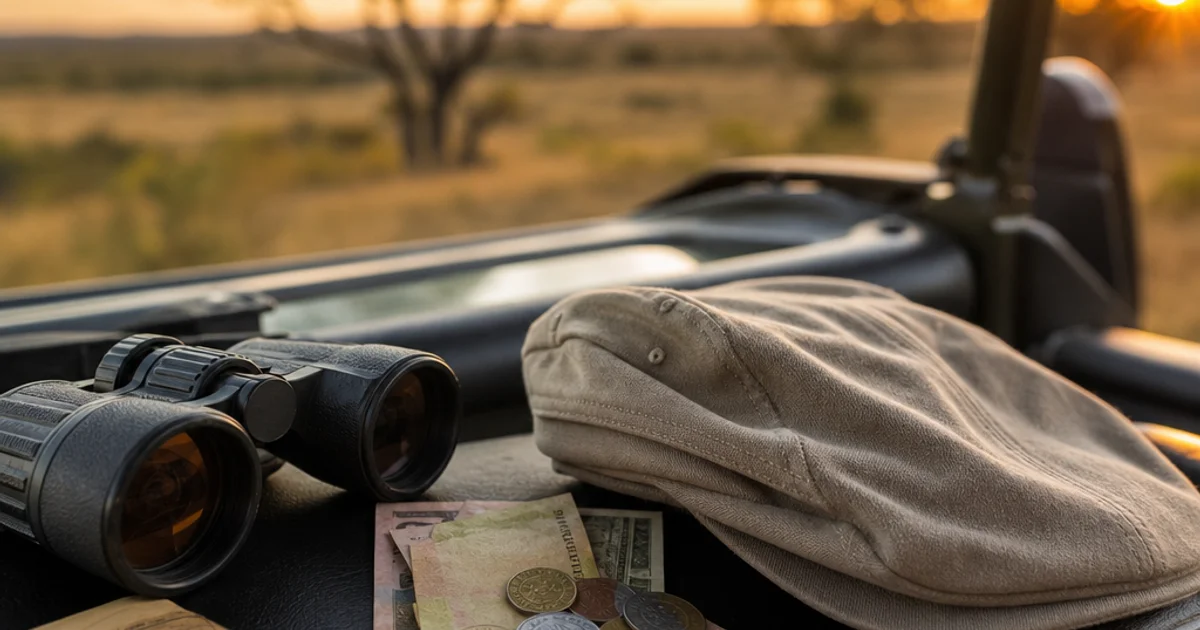
Understanding tipping isn’t just etiquette — it’s part of traveling like someone who’s done this before, someone who steps out of the vehicle at a private concession or into a mess tent under the stars and knows exactly how to show gratitude without a second thought. That confidence frees you up for what actually matters: watching a tracker’s face light up when the pride finally reveals itself, sharing stories over dinner with camp staff who’ve spent years learning the land, and soaking in every unrepeatable moment of your time in the wild. Pair this knowledge with a solid grasp of how long your safari should be and what to pack, and you’ll arrive ready to be fully present — not distracted by logistics — for the safari of a lifetime.
Frequently Asked Questions
Do I really need to tip on a safari, or is it optional?
Tipping on safari isn’t a mandatory fee, but it is a deeply ingrained custom that acknowledges the skill and effort of the guides, trackers, and camp staff who make your trip memorable. It functions as a heartfelt thank-you rather than a transaction, since none of the expertise behind a great sighting or a comfortable camp shows up on your itinerary. Skipping it entirely would go against widely accepted etiquette across most safari destinations.
Who should I be tipping during a typical safari trip?
The main roles to tip include your guide or ranger, the tracker or spotter, lodge and camp staff, the camp manager, porters, driver-guides on road-based trips, and specialized primate trekking guides or trackers. Not every property employs all of these roles, and the exact lineup depends on whether you’re on a private or group safari. It’s worth confirming with your operator which staff you’ll actually encounter on your specific itinerary.
How much should I tip a safari guide per day?
A common guideline is $10–20 per guest per day for a guide or ranger, with the higher end reserved for exceptional sightings or private full-day guiding. For half-day activities, roughly half that amount is typical. The tracker or spotter is tipped separately, usually in the $5–10 per guest per day range, since they perform a distinct role from the guide.
What’s the difference between tipping the guide and tipping the tracker?
The guide leads the game drive, interprets animal behavior, and ensures safety, while the tracker — often seated on a mounted perch at the front of the vehicle — reads footprints, broken branches, and alarm calls to actually locate the wildlife. Because they represent distinct skill sets and responsibilities, they are tipped as separate line items rather than combined into one amount. This distinction matters especially in areas known for dramatic sightings, where the tracker’s field skills are just as critical as the guide’s interpretation.
How do I tip lodge and camp staff who I never directly interact with?
Lodge and camp staff — including housekeeping, waitstaff, and chefs — are typically tipped through a communal box rather than individually, since many of them work behind the scenes. A general guideline is $5–10 per guest per day, pooled and shared among the team. This system ensures that everyone contributing to your comfort, even those you never see, is included in the gratuity.
When and how should I actually hand over safari tips?
Tipping usually happens at the end of a stay or at the end of a specific trip segment, rather than daily. Common methods include dropping cash into a communal staff box, placing money in a named envelope for an individual like your guide or camp manager, or discreetly handing over cash in person. Carrying enough small denominations in cash is essential, since remote camps often have no way to process card payments for tips.
Does tipping etiquette change depending on which African country I’m visiting?
Yes, tipping customs shift from country to country and even from camp to camp, so the guideline amounts described in this article should be treated as a general starting point rather than a fixed rule. Factors like whether you’re on a road-based safari in Kenya or Tanzania versus a fly-in camp elsewhere, or doing gorilla trekking with specialized porters, all affect who gets tipped and how much. Always confirm specifics with your safari operator before you travel to make sure your gratuities match local expectations.