There’s a specific kind of thrill that comes from sitting in a travel clinic, sleeve rolled up, while a nurse asks where exactly you’re headed. You say “Serengeti” or “Bwindi” and something shifts in the room. It’s not just paperwork anymore. It’s the first real proof that the trip is happening.
But let’s be honest, the vaccine question trips people up. Government websites contradict travel blogs. Airlines ask for documents nobody explained to you. And somewhere in the confusion, the actual point gets lost: this is just one more step toward standing in an open vehicle at dawn while a lion moves through golden grass twenty meters away.
This guide sorts out what’s actually required by law at various African borders versus what’s simply smart medical preparation, using real examples from the continent’s most-visited safari countries: Kenya, Tanzania, Uganda, Rwanda, and South Africa.
- Only yellow fever has the power to actually stop you at an African border. Everything else is a clinical recommendation, not a legal checkpoint.
- Yellow fever rules depend heavily on where you’re arriving from, not just your final destination. A layover in an endemic country can change your requirements entirely.
- Uganda is the strictest of the major safari countries, generally expecting proof of yellow fever vaccination from all international arrivals.
- Hepatitis A, typhoid, and a current tetanus booster form the practical backbone of most safari health prep, regardless of country.
- Book a travel health consultation 4-6 weeks before departure. The yellow fever certificate alone needs 10 days to become valid.
Required vs Recommended: Understanding the Difference Before You Pack
Required means a country’s immigration authority can legally deny you entry without proof of vaccination, almost always in the form of a yellow fever certificate. Recommended means a doctor or health authority advises the vaccine for your safety, but no official will ever ask to see it at the border.
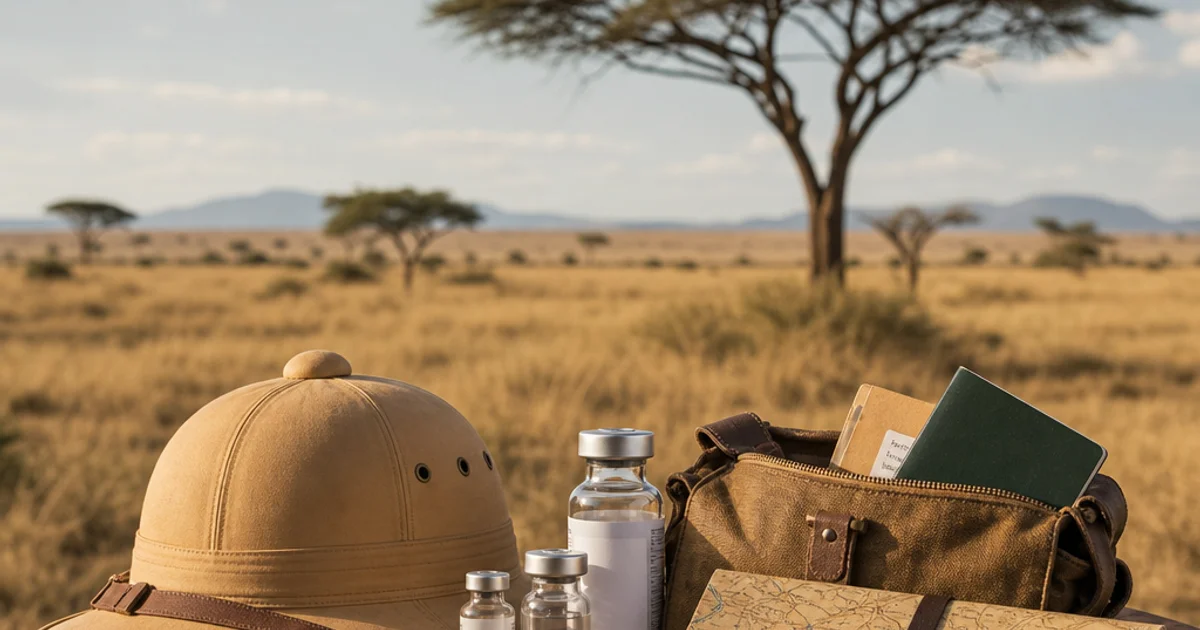
That distinction matters more than most pre-trip checklists let on. People spend weeks worrying about vaccines nobody will ever check, while missing the one document that actually has teeth: the International Certificate of Vaccination or Prophylaxis, better known as the yellow card. This small booklet, issued after your yellow fever shot, is the only vaccination record several African nations will physically inspect on arrival. Forget it, and in some cases you can be vaccinated on the spot at the airport, denied entry, or quarantined until it clears. None of those are how you want your safari to start.
Here’s the part that surprises a lot of travelers: entry requirements often depend on where you’re flying in from, not simply where you’re going. A traveler flying direct from London to Nairobi faces different rules than one connecting through Addis Ababa or transiting a yellow-fever-endemic country in West Africa. Airlines and immigration officers care about your full itinerary, not just your final stop.
Everything in this article is a starting point built from current general guidance. It is not a substitute for a proper travel health consultation. Rules shift, outbreaks happen, and a nurse who specializes in travel medicine will tailor advice to your actual medical history, itinerary, and the season you’re traveling in. Treat this as the framework, and your travel clinic appointment as the fine print.
Yellow Fever: The One Vaccine That Can Affect Your Entry
Yellow fever is transmitted by mosquitoes and is endemic in parts of sub-Saharan Africa and South America. A single dose of the vaccine provides lifelong protection for most people, and the certificate becomes valid 10 days after vaccination, not the day you get the shot. This 10-day window is the single most common scheduling mistake safari travelers make, so timing this early is worth doing before you finalize flights.
Here’s how the major safari countries currently approach it:
- Kenya generally requires proof of yellow fever vaccination only if you are arriving from or have transited through a country with risk of yellow fever transmission. If you’re flying directly from a non-endemic country, you likely won’t be asked for it, though it’s frequently still recommended by doctors for broader protection.
- Tanzania follows a similar pattern: proof is generally required for travelers arriving from yellow-fever-endemic areas, but not automatically demanded from all international visitors.
- Uganda takes a stricter stance. Proof of yellow fever vaccination is generally expected from all international travelers entering the country, regardless of their departure point. This is one of the most consistent points of confusion for first-time visitors heading to gorilla trekking in Bwindi.
- Rwanda typically requires proof for travelers coming from at-risk countries, following the pattern seen in Kenya and Tanzania, though again, doctors often recommend it regardless.
- South Africa generally only requires proof from travelers arriving from yellow-fever-risk countries, and is otherwise one of the more relaxed entry points among the countries covered here.
These rules are not static. Countries adjust entry requirements in response to outbreaks, regional health data, and diplomatic agreements. Always verify current rules directly with the embassy or a travel health clinic close to your departure date, not months in advance when you first book. If your trip involves multiple countries, as many great safari itineraries do, check the rules for every single border crossing, not just your first point of entry.
Core Vaccinations Recommended for Most Safari Travelers
Beyond yellow fever’s border-crossing power, there’s a cluster of vaccines that travel health professionals broadly recommend for anyone heading to East or Southern Africa, safari or not. None of these will be checked at immigration. All of them are worth taking seriously.
- Hepatitis A: Protects against a liver infection transmitted through contaminated food and water. Relevant because safari itineraries often mix high-end lodges with local markets, street food stops, and rural water sources.
- Hepatitis B: Protects against a bloodborne liver infection. Recommended for longer trips, medical tourism, or any travel involving potential exposure to blood or bodily fluids, including minor injuries treated at local clinics.
- Typhoid: Guards against a bacterial infection spread through contaminated food and water, particularly relevant if your trip includes town visits, markets, or budget accommodations outside curated lodge environments.
- Tetanus/Tdap booster: Standard advice if it has been more than 10 years since your last dose. Especially relevant given the outdoor, sometimes rugged nature of walking safaris, bush camps, and off-road travel.
- Rabies (pre-exposure series): Worth discussing with your doctor if your trip involves heavy wildlife interaction, remote areas far from medical care, or activities like caving and extended bush walks where animal contact is more likely.
- Seasonal flu vaccine: Frequently suggested as general travel readiness, particularly for long-haul flights, shared vehicles, and close contact with fellow travelers over multi-day itineraries.
None of these carry the same border-stopping power as yellow fever. But skipping them is a gamble most experienced safari travelers don’t take, especially when a preventable stomach bug can derail three days of a two-week trip.
Safari Destinations Country by Country: What to Know Before You Go
Health prep starts to feel a lot less like a chore once you connect it to what’s actually waiting for you. Here’s what to know, country by country, alongside a taste of why it’s worth the effort.
Kenya
Yellow fever requirements hinge on your point of departure, as noted above. Once that’s settled, what’s left is the anticipation: the Maasai Mara during migration season, when the plains fill with wildebeest and the air smells like dust and rain at the same time. Or Amboseli, where elephants move in loose herds against a backdrop of Kilimanjaro, weather permitting. If you’re weighing Kenya against a similar destination, our Tanzania vs Kenya safari comparison breaks down which suits a first safari best.
Tanzania
Similar entry logic to Kenya, with proof of yellow fever generally tied to your arrival origin. What awaits on the other side is the sheer scale of the Serengeti, a landscape so vast it reorders your sense of distance, and the Ngorongoro Crater, where an entire ecosystem sits inside a collapsed volcanic caldera. Timing your trip around the migration matters here, and our Serengeti vs Maasai Mara guide can help you decide where to be and when.
Uganda
This is the country where the yellow fever certificate matters most. Proof is generally expected from all international arrivals, so this is not the destination to leave your paperwork loose. But the reward is significant: Bwindi Impenetrable Forest, home to roughly half the world’s remaining mountain gorillas, and Queen Elizabeth National Park, where tree-climbing lions and boat safaris along the Kazinga Channel round out an experience unlike anywhere else on the continent.
Rwanda
Yellow fever considerations mirror Kenya and Tanzania’s approach, tied primarily to your point of origin, though it’s frequently recommended regardless. Rwanda pairs its own gorilla trekking experience in Volcanoes National Park with the quieter, less-visited wildlife of Akagera National Park, where recovering populations of lion and rhino make for a genuinely rewarding, less crowded safari.
South Africa
Generally the most relaxed of these five destinations when it comes to mandatory vaccines, since it sits outside the yellow fever risk zone entirely for most direct arrivals. That said, don’t let the lighter entry requirements lull you into skipping preparation altogether. South Africa’s safari regions bring their own environmental considerations, including tick exposure in bushveld areas and freshwater contact near rivers and dams, both worth a quick conversation with your travel doctor. What you get in return is remarkable range: the private reserves bordering Kruger National Park, whale watching along the coast, and some of the most polished lodge experiences on the continent.
Building Your Pre-Safari Health Action Plan
Turn all of this into a simple sequence rather than a source of anxiety:
- 6-8 weeks before departure: Book a travel health consultation. This gives enough runway for multi-dose vaccines and the 10-day yellow fever certificate window, with buffer room if your clinic needs a follow-up visit.
- Confirm your full itinerary first: Give your doctor every country and layover on your route, not just your final destination. Transit stops can change your yellow fever requirement entirely.
- Check current entry rules directly: Government and embassy websites are updated more frequently than most travel blogs. Confirm within a few weeks of departure, not months out.
- Keep your yellow card with your passport: Not in checked luggage, not in a hotel safe on arrival day. It should travel with you at every border crossing.
- Factor this into your broader planning: Health prep is just one piece of a well-planned trip. Our Safari Planning FAQ covers 45 common questions on visas, timing, and safety, and pairs well with a packing list like our complete safari packing checklist.
Once the paperwork is handled, the rest of the planning gets a lot more enjoyable. Deciding between a private or group safari, figuring out how many days you actually need, and matching your trip to the best season for wildlife viewing in your chosen country all become part of the anticipation rather than a chore list.
The vaccine question, once demystified, is a small and manageable part of a much bigger picture. Get the yellow card sorted early, talk to a travel doctor about the rest, and let the actual planning, the game drives, the gorilla permits, the campfire nights under skies with no light pollution, take up the space in your head that used to be occupied by border-entry anxiety. That’s where your attention belongs anyway.
Frequently Asked Questions
Do I actually need a yellow fever vaccine to go on safari in Africa?
It depends on where you’re arriving from, not just where you’re headed. Countries like Kenya, Tanzania, and Rwanda generally only require proof of yellow fever vaccination if you’re arriving from or transiting through a yellow-fever-endemic country. Uganda is the exception among major safari destinations, generally expecting proof from all international arrivals regardless of departure point.
What is the difference between a “required” and a “recommended” vaccine for safari travel?
Required means immigration authorities can legally deny you entry without proof of vaccination, which in practice almost always refers to the yellow fever certificate. Recommended means a doctor advises the vaccine for your health and safety, but no border official will ever check for it. Most safari vaccines, like hepatitis A or typhoid, fall into the recommended category rather than the required one.
How soon before my trip do I need to get the yellow fever vaccine?
The yellow fever certificate only becomes valid 10 days after vaccination, not on the day of the shot itself. This means the timing needs to be planned before you even finalize your flights, since arriving with an invalid certificate can cause serious entry problems. A general rule is to book a travel health consultation 4 to 6 weeks before departure to allow enough buffer.
What happens if I arrive in an African country without proof of yellow fever vaccination when it’s required?
Consequences vary, but travelers without valid proof can be vaccinated on the spot at the airport, denied entry, or quarantined until the vaccine takes effect. None of these outcomes are how anyone wants to start a safari trip. This is why the yellow card, the International Certificate of Vaccination or Prophylaxis, is the one document worth prioritizing above all others.
Which safari country has the strictest yellow fever entry rules?
Uganda is generally the strictest among the major safari countries covered in this guide. Unlike Kenya, Tanzania, and Rwanda, which typically base their requirements on your point of departure or transit, Uganda generally expects proof of yellow fever vaccination from all international travelers entering the country. This is a common source of confusion for first-time visitors planning gorilla trekking in Bwindi.
Does my layover country affect my yellow fever vaccination requirements?
Yes, your full itinerary matters, not just your final destination. A traveler flying direct from a non-endemic country to Nairobi faces different requirements than someone connecting through a yellow-fever-endemic country, even if their final destination is the same. Airlines and immigration officers assess your entire routing, so transits should be checked carefully when planning your trip.
Besides yellow fever, what other vaccinations should I consider before a safari?
Hepatitis A, typhoid, and a current tetanus booster form the practical backbone of most safari health preparation, regardless of which country you’re visiting. These are generally recommended rather than legally required, meaning no border official will check for them, but travel health professionals advise them based on the real health risks in the region. A proper travel health consultation will tailor these recommendations to your specific itinerary and medical history.